Citrus is the single most important ingredient category in cocktail making, and that holds just as true when you take the alcohol out. Lemons, oranges, and grapefruits each bring their own balance of sweetness, acidity, and bitterness to a glass. They brighten flat flavors, balance sweet syrups, and add the kind of freshness that makes a drink feel alive. If you have a bag of citrus on the counter and a few bottles of non-alcoholic spirits in the cabinet, you already have the foundation for a wide range of mocktails worth making.
The recipes below are organized by citrus type so you can start with whatever fruit is ripest in your kitchen.
Orange drinks
Orange juice is probably the most familiar cocktail mixer in the world, and for good reason. It’s sweet enough to work without added sugar, acidic enough to keep a drink balanced, and thick enough to give body to a pour. Fresh-squeezed orange juice tastes noticeably better than anything from a carton, but if you’re using store-bought, look for not-from-concentrate varieties that haven’t been sitting on the shelf too long.
Screwdriver
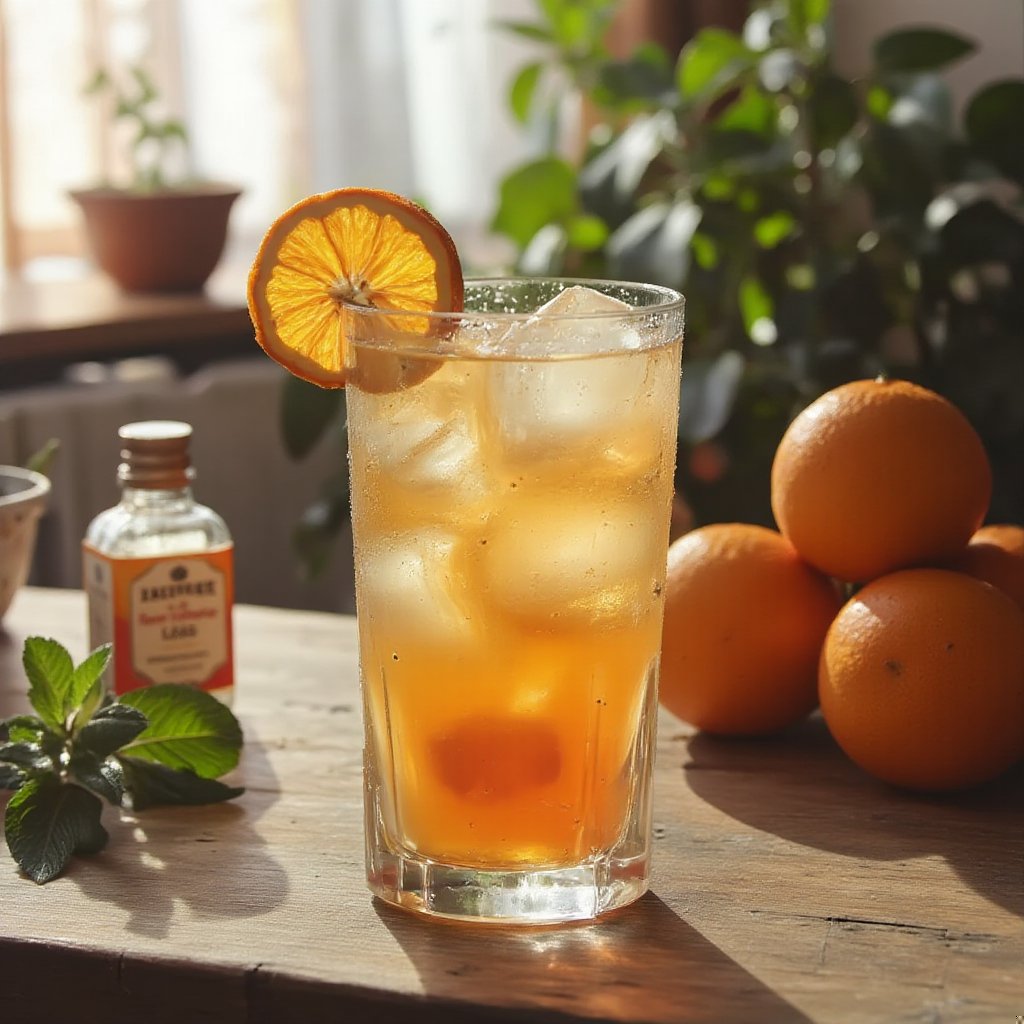
The Screwdriver is about as simple as a mixed drink gets: orange juice and vodka. That simplicity is a strength. With just two main ingredients, the quality of your orange juice matters more than usual. Fresh-squeezed is the move here if you can manage it. The non-alcoholic vodka adds a subtle dryness and body that keeps the drink from tasting like a glass of breakfast juice, and a few ice cubes make the whole thing feel intentional rather than improvised.
Tequila Sunrise
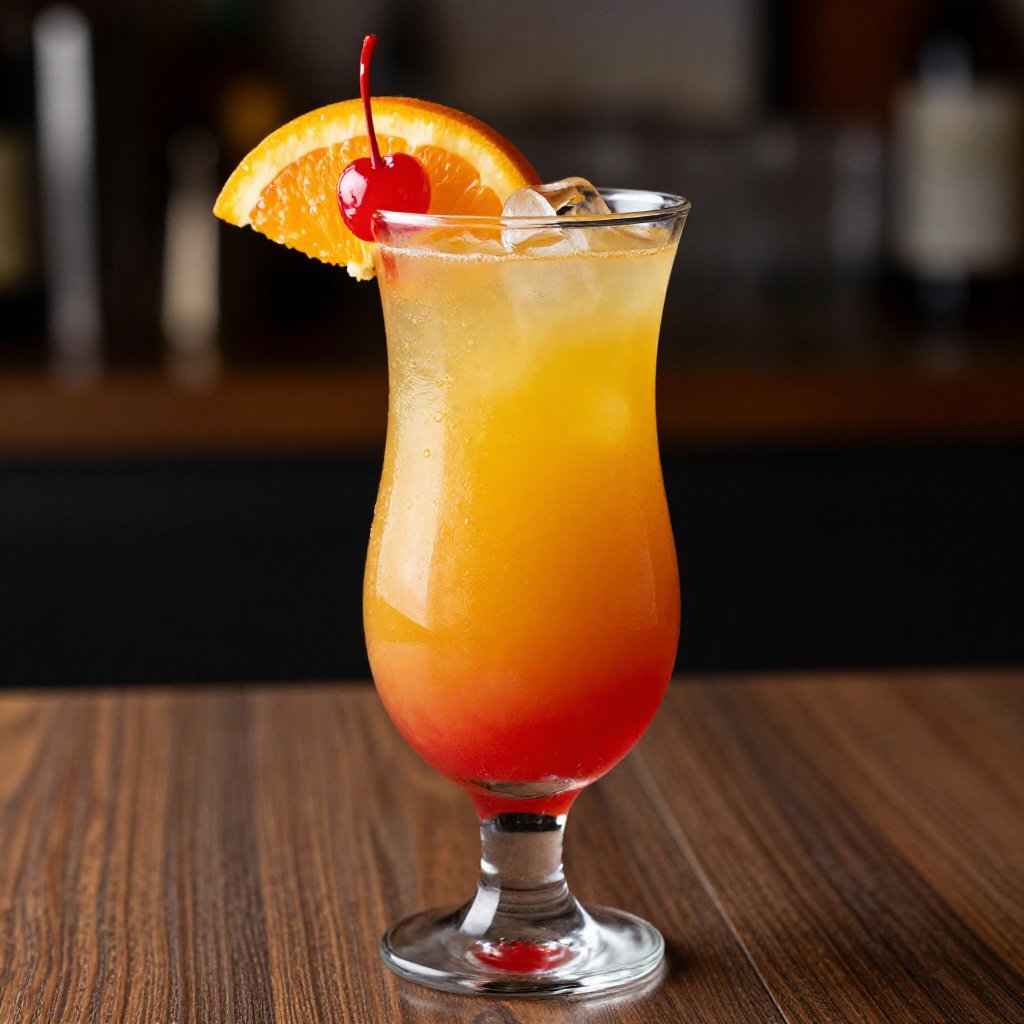
The Tequila Sunrise is one of those drinks that impresses people before they even take a sip. Orange juice and non-alcoholic tequila fill the glass, and then grenadine sinks slowly to the bottom, creating that signature sunrise gradient from red to orange to yellow. The flavor is bright and fruity, with the grenadine adding a subtle pomegranate sweetness that plays well against the citrus. Build it in a tall glass with plenty of ice and resist the urge to stir. The visual effect is half the experience.
Citrus Sunrise Spritzer
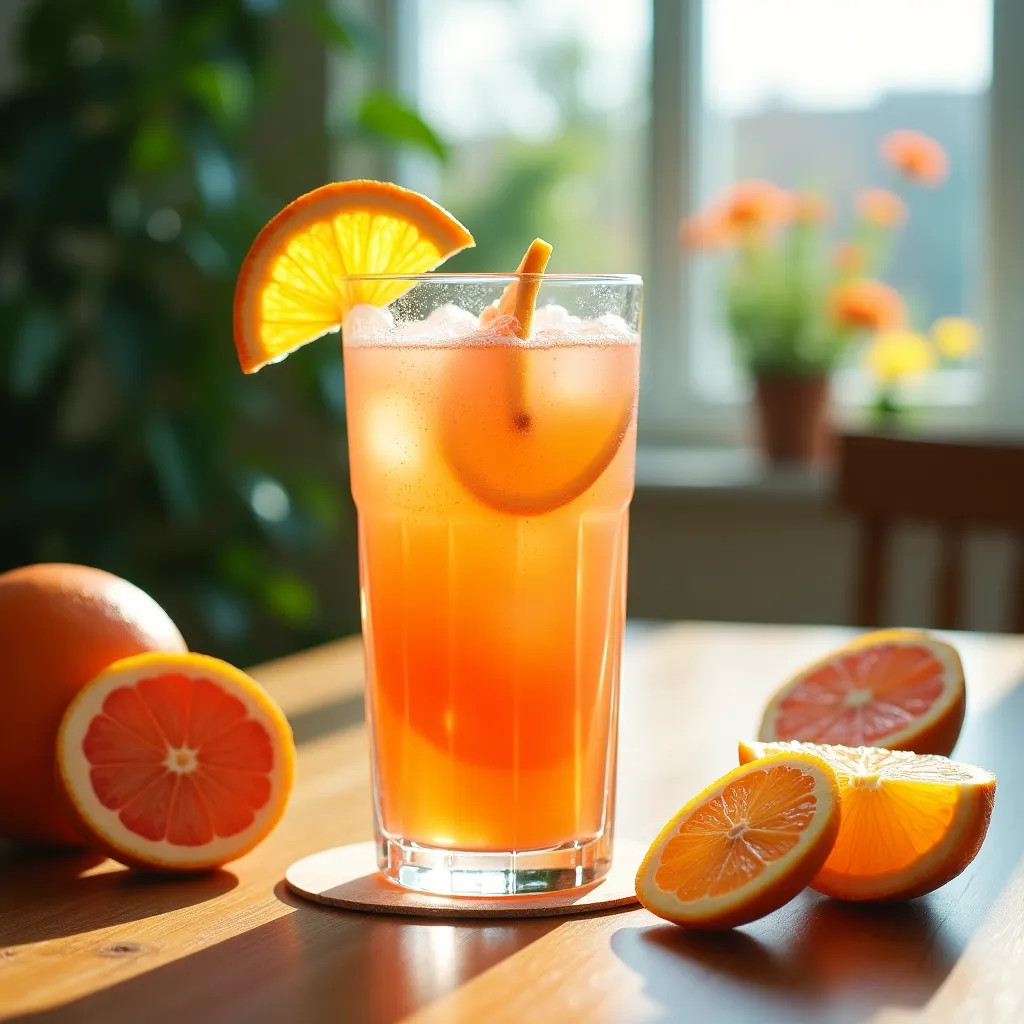
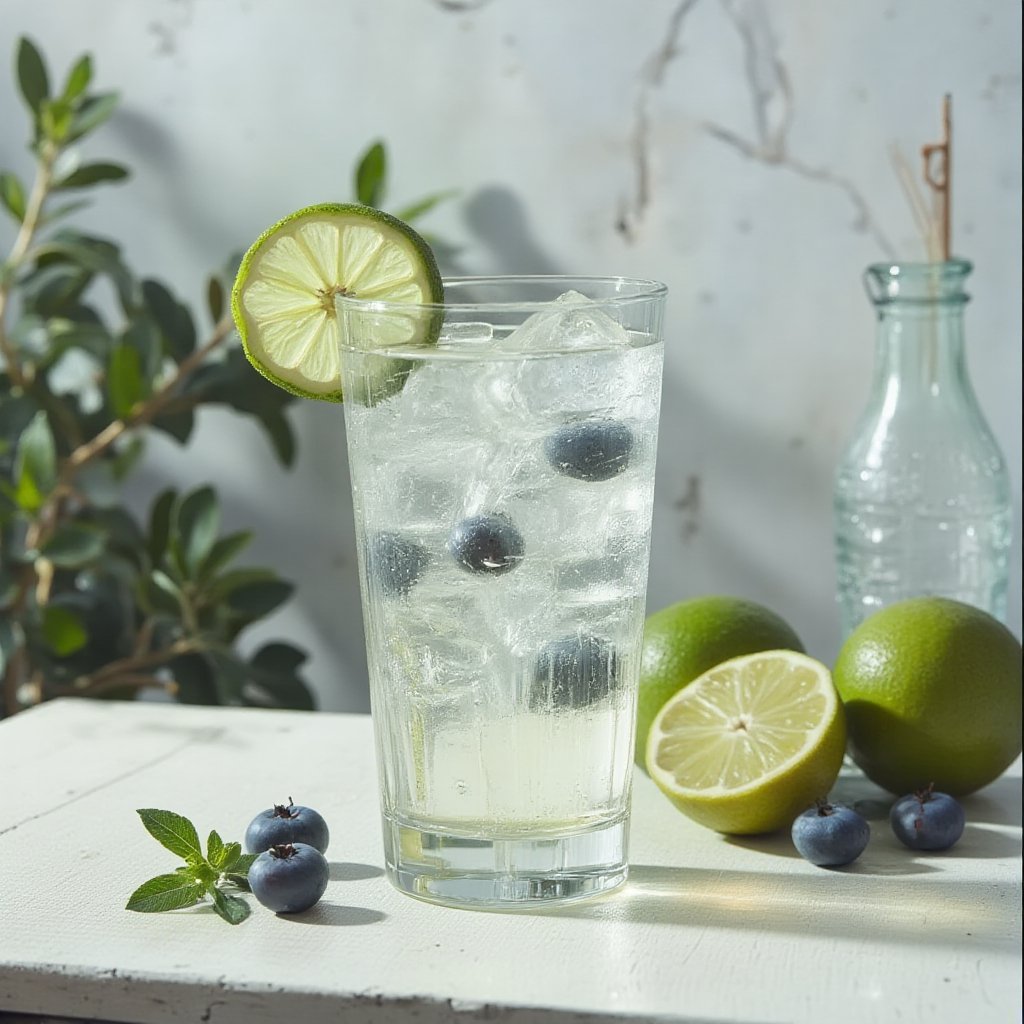
If you want something lighter and fizzier than a traditional Tequila Sunrise, the Citrus Sunrise Spritzer takes a similar color concept but adds sparkling water to the mix. The result is a drink that feels more like a spritz than a cocktail, which makes it a great option for afternoons when you want something refreshing but not heavy. The combination of citrus and carbonation is one of the most naturally satisfying pairings in the mocktail world.
Grapefruit drinks
Grapefruit occupies a unique space among citrus fruits. It’s more bitter than orange, more complex than lemon, and has a slightly floral quality that adds sophistication to anything it touches. Pink and ruby red grapefruits tend to be sweeter and less bitter than white varieties, so choose based on how much bitterness you enjoy. That bitterness, by the way, is an asset in mocktails. It fills some of the same space that alcohol normally occupies, giving your palate something to linger on.
Paloma
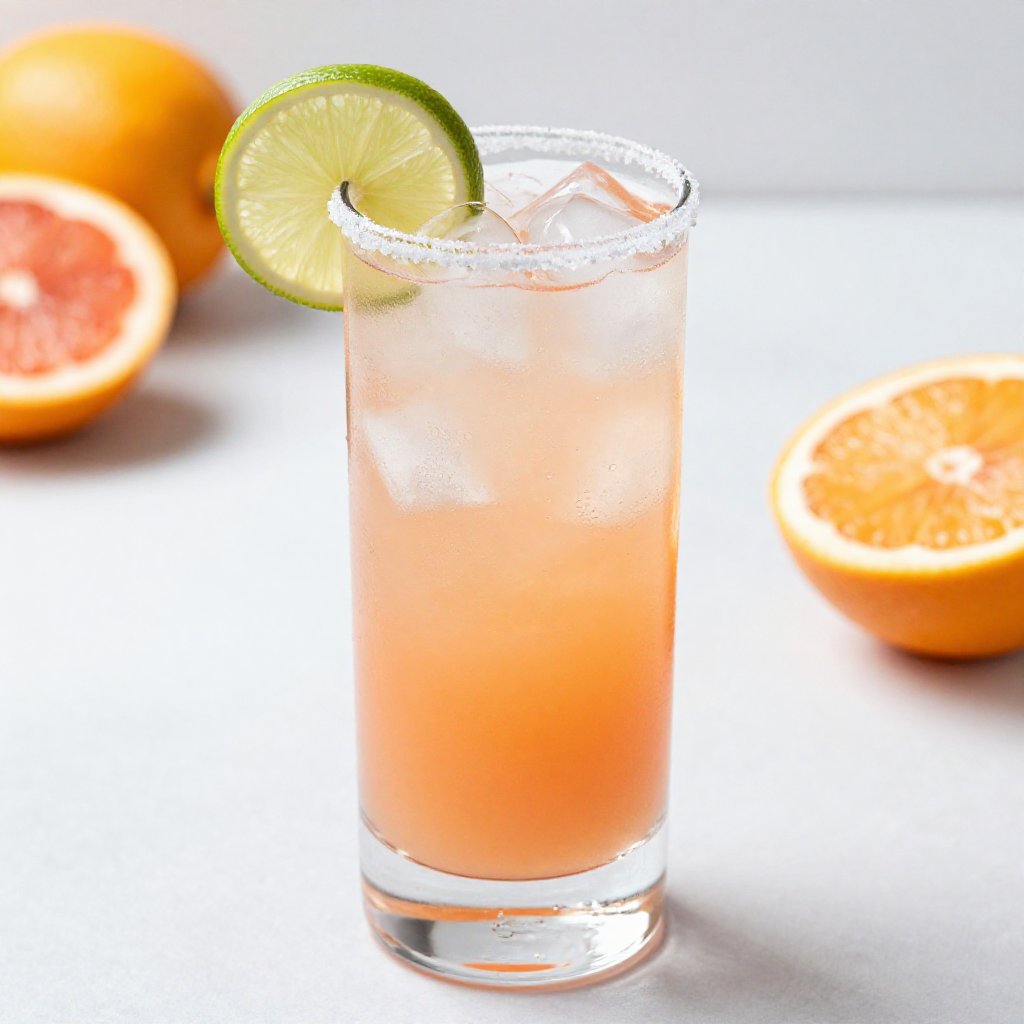
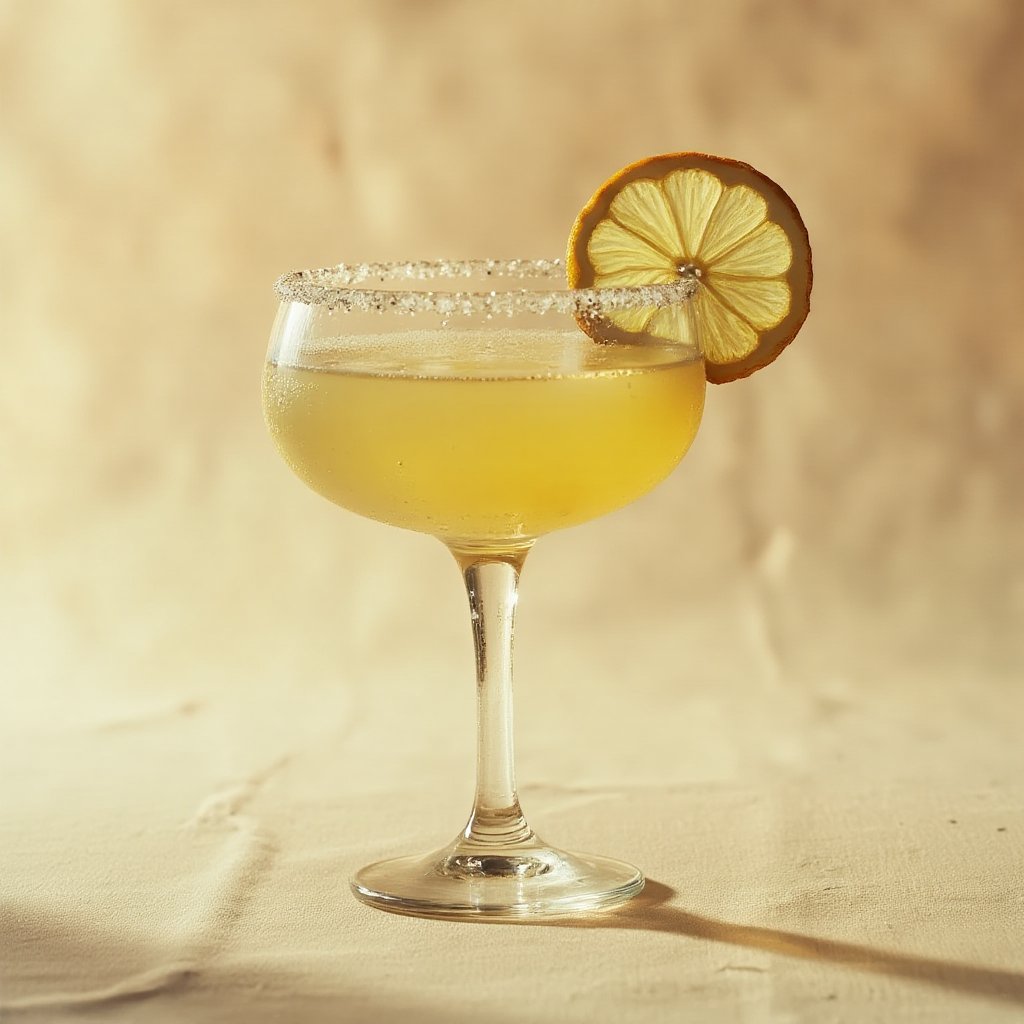
The Paloma is Mexico’s most popular cocktail, and plenty of people prefer it to the margarita. The non-alcoholic version combines grapefruit juice (or grapefruit soda) with non-alcoholic tequila, lime juice, and a pinch of salt. The grapefruit’s bitterness pairs beautifully with the agave character of a good tequila substitute, and the salt on the rim ties everything together the same way it does in a margarita. If you can find fresh grapefruit, juice it yourself. The difference between fresh grapefruit juice and bottled is more dramatic than with almost any other citrus.
Lemon drinks
Lemon is the workhorse of the citrus family. It appears in more cocktail recipes than any other fruit, usually playing a supporting role that most people don’t even notice. But in sour-style drinks, lemon steps into the spotlight. Its sharp acidity and clean flavor cut through sweetness, balance rich ingredients, and add a crispness that makes each sip feel distinct from the last.
French 75
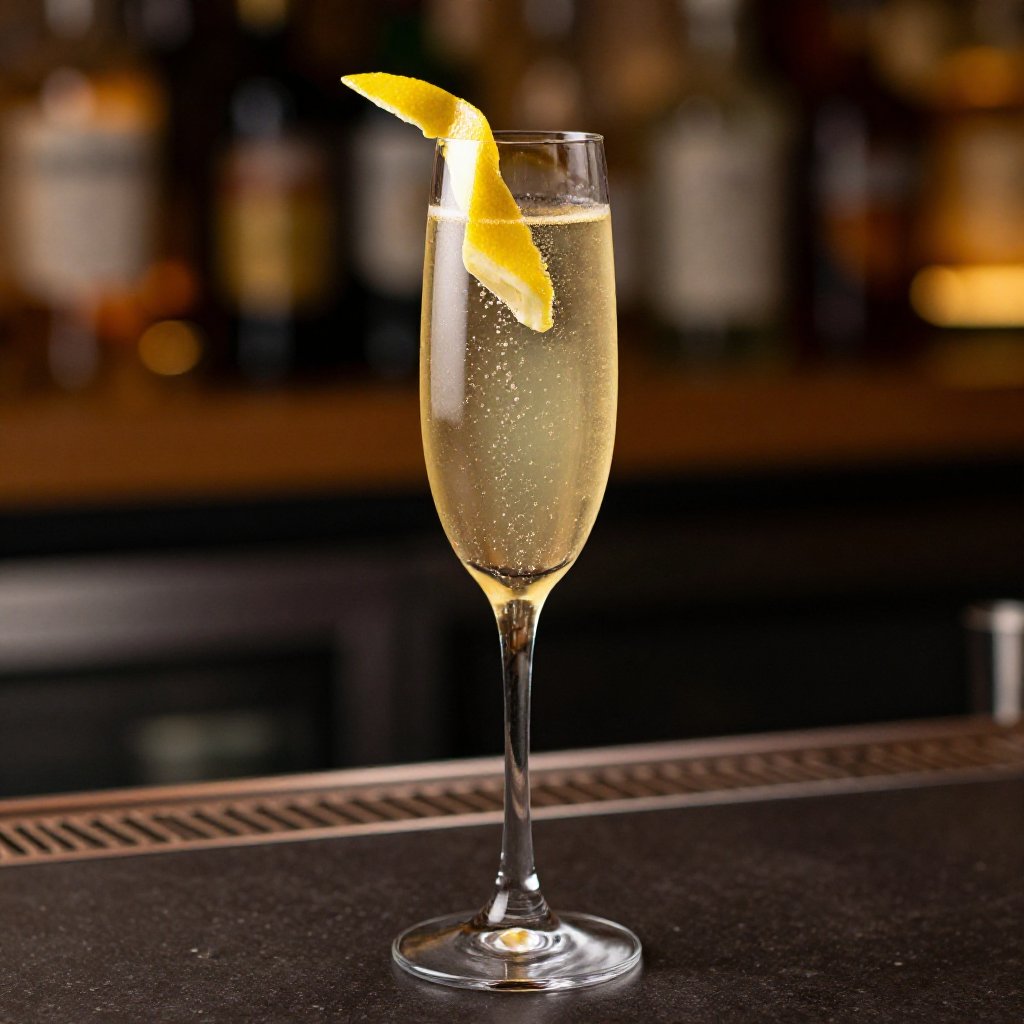
The French 75 is an elegant drink that combines fresh lemon juice with non-alcoholic cognac, simple syrup, and sparkling wine (or sparkling grape juice). The lemon juice provides the backbone, cutting through the sweetness and giving the drink a sharp, clean finish. Served in a flute or coupe glass, it feels celebratory without being fussy. This is a strong choice for toasting at dinners or parties where you want something that looks and feels special.
Whiskey Sour
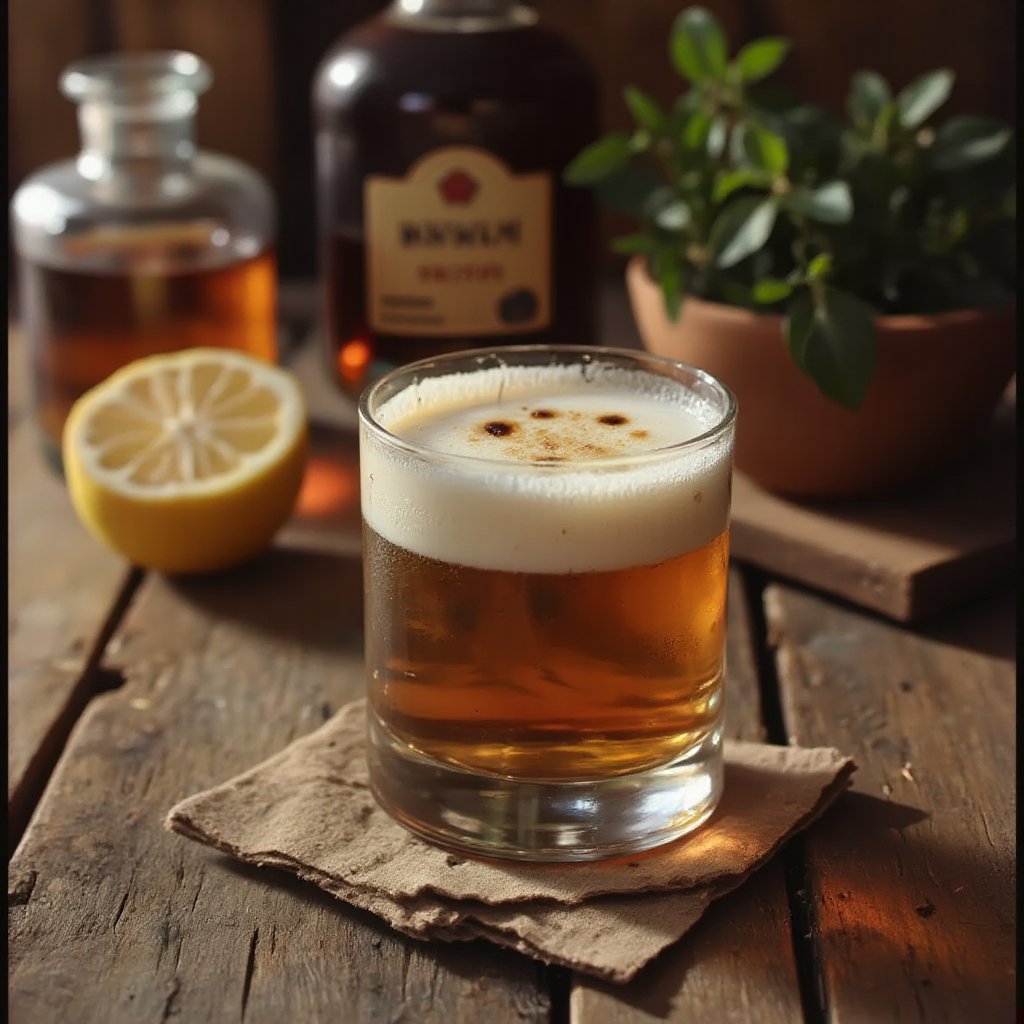
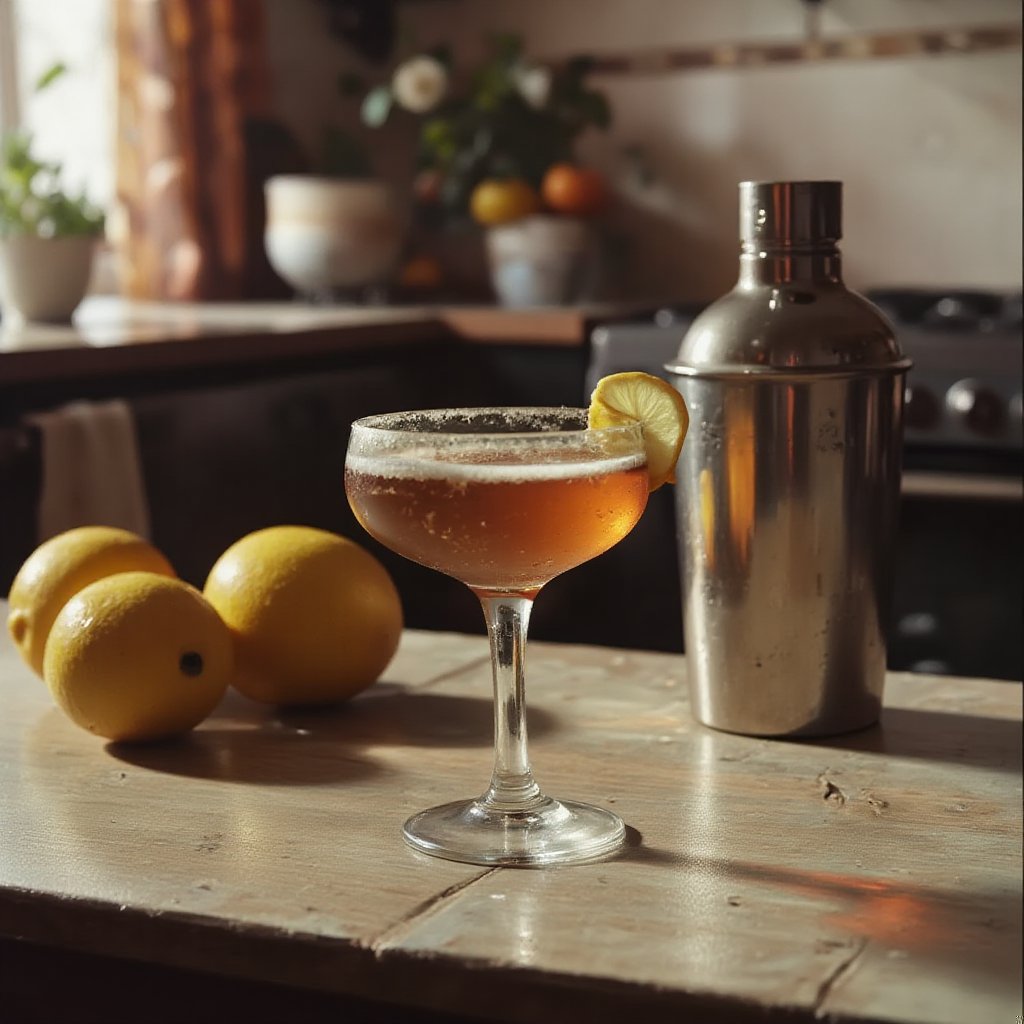
The sour is one of the oldest cocktail formats, and the Whiskey Sour remains its best-known example. Non-alcoholic bourbon, fresh lemon juice, and simple syrup get shaken hard with ice and strained into a rocks glass. The balance between the sweet syrup and tart lemon creates a drink that’s smooth, approachable, and satisfying in a way that few other formats can match. If you want to try the classic egg white foam on top, add half an ounce of aquafaba (the liquid from a can of chickpeas) and dry shake before adding ice. It produces the same silky texture without any raw egg.
Brandy Sour
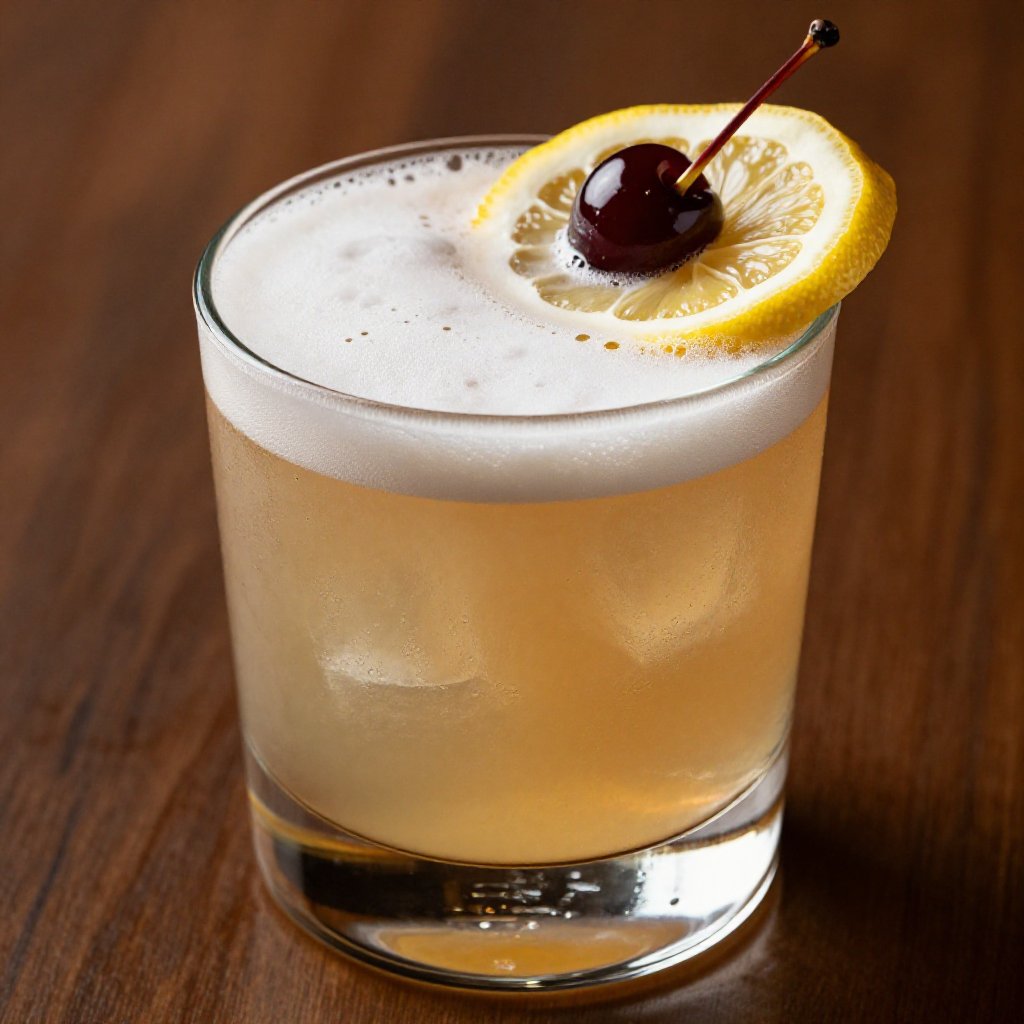
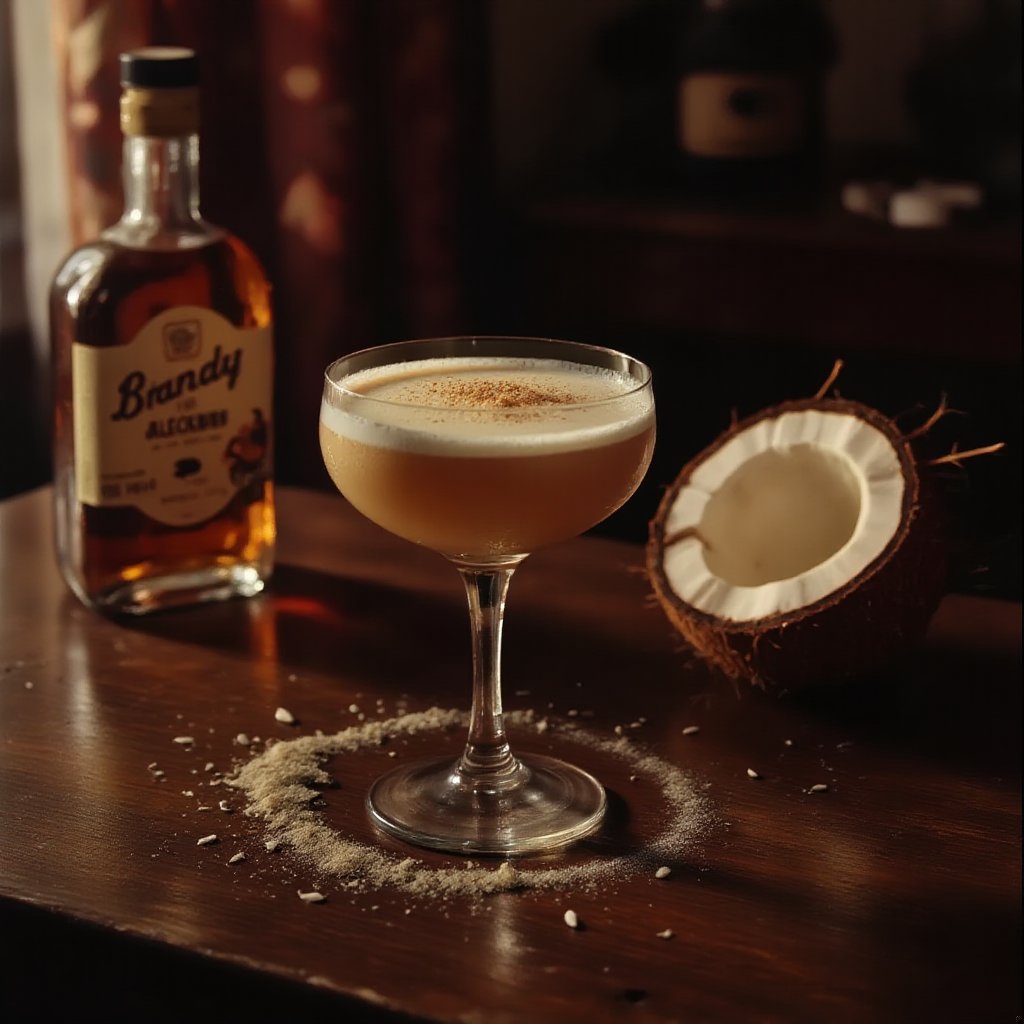
The Brandy Sour follows the same sour template as the Whiskey Sour but swaps in non-alcoholic brandy for a slightly different flavor profile. Brandy substitutes tend to lean toward dried fruit and warm spice notes rather than the oaky caramel of bourbon, and those flavors pair wonderfully with lemon. The result is a drink that feels a little more refined, a little softer around the edges. It’s a good option to try once you’ve made a few Whiskey Sours and want to see how a different base spirit changes the equation.
Tips for juicing citrus
Fresh juice makes a real difference in mocktails, and a few small techniques will help you get more from your fruit. First, roll each piece of citrus firmly on the counter before cutting it. This breaks the internal membranes and releases more juice when you squeeze. A room-temperature lemon yields noticeably more liquid than one straight from the fridge, so pull your citrus out twenty to thirty minutes before you plan to use it.
A handheld citrus press is worth the small investment. It extracts juice more efficiently than squeezing by hand and catches seeds automatically. If you’re making drinks for a group, juice everything ahead of time and store it in a sealed jar in the refrigerator. Lemon and grapefruit juice hold up well for eight to twelve hours. Orange juice is best used within a few hours, since it oxidizes faster and starts tasting flat.
The reason fresh juice matters so much comes down to flavor volatility. The aromatic compounds in citrus are delicate and start breaking down the moment the fruit is cut. Bottled juice has been pasteurized, which kills bacteria but also destroys many of those bright, complex flavors. A mocktail made with fresh lemon juice and one made with bottled lemon juice are, functionally, two different drinks. The fresh version tastes sharper, cleaner, and more alive. When you’re building a drink around citrus as the star ingredient, that difference is impossible to ignore.