Ten years ago, your options for a spirit-free cocktail were juice, soda, or both. Today there are dozens of non-alcoholic spirits on the market, each designed to replicate a specific category of liquor. The quality varies wildly, the price tags can surprise you, and the sheer number of choices makes it hard to know where to start.
This guide breaks it all down: what non-alcoholic spirits actually are, how they’re made, which categories exist, and which brands are worth your money.
What makes a spirit “non-alcoholic”
Non-alcoholic spirits are bottled beverages designed to mimic the flavor profile of traditional liquors like gin, bourbon, rum, or tequila. Most contain less than 0.5% ABV, which is roughly the same amount found in a ripe banana or a glass of orange juice.
They’re built differently than traditional spirits. Instead of distilling fermented grains or botanicals into a high-proof liquid and then diluting it, producers use one of several approaches to get the flavor without the alcohol.
How they’re made
Distillation and dealcoholization. Some producers start with a traditional spirit, then remove the alcohol through vacuum distillation or reverse osmosis. This preserves more of the original flavor compounds. Lyre’s uses this approach for several of its products.
Steam distillation of botanicals. Seedlip pioneered this method, steam-distilling individual botanicals (herbs, spices, bark, citrus peels) and blending the distillates together. No alcohol is produced at any point in the process.
Maceration and blending. Some brands steep botanicals in water, strain them, and blend the extracts with natural flavors, sweeteners, and acids to approximate a spirit’s taste. Monday and Ritual Zero Proof use variations of this technique.
Functional ingredients. A newer wave of products adds adaptogens, nootropics, or hemp-derived compounds to create drinks that offer a feeling beyond flavor. Brands like Three Spirit, Kin Euphorics, and Aplos fall into this category. We covered several of these in our guide to non-alcoholic spirits that give you a buzz.
The main categories
Non-alcoholic gin
The most crowded and arguably most successful category. Gin’s flavor comes primarily from botanicals, especially juniper, which translates well to alcohol-free production. Pair these with tonic water and you’re most of the way to a convincing gin and tonic.
What to look for: Strong juniper character, citrus notes, and enough bitterness to stand up to tonic. Thin, sweet products disappoint here.
Top picks: Seedlip Garden 108 (herbal, pea and hay notes), Seedlip Spice 94 (warm, allspice-forward), Monday Gin (closest to a London dry profile), Lyre’s London Dry (balanced juniper and citrus).
Browse all non-alcoholic gin substitutes.
Non-alcoholic bourbon and whiskey
The hardest category to get right. Bourbon’s character comes from barrel aging, which relies on alcohol to extract compounds from charred oak. Without that solvent, producers have to get creative.
What to look for: Oak and vanilla notes, some warmth on the finish, enough body to work in an Old Fashioned or Manhattan. Avoid anything that tastes like flavored water.
Top picks: Ritual Zero Proof Whiskey Alternative (peppery, smoky, good in mixed drinks), Lyre’s American Malt (caramel and toasted oak), Monday Whiskey (vanilla-forward, clean finish), Spiritless Kentucky 74 (designed specifically for bourbon cocktails).
Browse all non-alcoholic bourbon substitutes.
Non-alcoholic tequila and mezcal
Another challenging category. Real tequila’s agave character is distinctive, and most non-alcoholic versions lean on citrus and pepper to approximate it rather than replicating agave itself.
What to look for: Some earthiness, citrus brightness, and a clean finish. These work best in margaritas and palomas where lime juice and other mixers carry much of the flavor.
Top picks: Ritual Zero Proof Tequila Alternative (jalapeño and lime, works great in margaritas), Monday Mezcal (genuine smokiness), Lyre’s Agave Blanco (mild, approachable).
Browse all non-alcoholic tequila substitutes and mezcal substitutes.
Non-alcoholic rum
Rum spans a huge range from light and clean to dark, spiced, and molasses-heavy. Non-alcoholic versions tend to do better with the spiced and dark styles, where bold flavors mask the absence of alcohol.
What to look for: Spice, vanilla, and caramel notes for dark rum styles. For light rum (mojitos, daiquiris), look for something clean and subtle that won’t overpower fresh ingredients.
Top picks: Lyre’s Dark Cane Spirit (molasses and spice, excellent in a rum punch), Ritual Zero Proof Rum Alternative (vanilla and clove), Monday Rum (lighter style, good for mojitos).
Browse all non-alcoholic rum substitutes.
Non-alcoholic vermouth and aperitifs
These are often the easiest non-alcoholic spirits to enjoy because the originals already rely heavily on botanicals, bitters, and sweetness rather than raw alcohol burn.
What to look for: Bitterness and complexity. Aperitif styles (Aperol, Campari alternatives) should have genuine bitterness, not just sweetness with food coloring.
Top picks: Lyre’s Italian Orange (excellent Aperol substitute for a spritz), Lyre’s Aperitif Dry (dry vermouth style), Wilderton Lustre (bittersweet, floral).
Browse all non-alcoholic vermouth substitutes.
Non-alcoholic vodka
The most debated category. Vodka is defined by its neutrality, so a non-alcoholic version is essentially… flavored water. Some products add subtle botanicals or a peppery bite to give the drink some presence.
What to look for: Something that adds a bit of body and mouthfeel without introducing strong flavors. These work best in mixed drinks like Bloody Marys and sea breezes where the spirit plays a supporting role.
Top picks: Ritual Zero Proof Vodka Alternative (clean with a slight botanical note), Monday Vodka (peppery finish).
Browse all non-alcoholic vodka substitutes.
How to choose the right one
Start with your favorite cocktail, not your favorite spirit. If you love margaritas, get a non-alcoholic tequila. If you’re an Old Fashioned person, start with bourbon alternatives. The spirit matters less than the drink you want to make.
Buy small first. Many non-alcoholic spirits cost $25-35 for a 750ml bottle, which is comparable to mid-shelf liquor. Some brands sell smaller bottles or sample packs. Try before you commit.
Read the back label. Some products contain added sugar, artificial flavors, or ingredients you might want to avoid. Others are remarkably clean: just water and botanical distillates.
Manage your expectations. No non-alcoholic spirit tastes exactly like the original. The best ones capture the essence of a category and work beautifully in cocktails, but they’re doing something different, not something lesser. Approach them with curiosity rather than comparison.
What to make first
If you’re new to non-alcoholic spirits, start with these recipes from our collection:
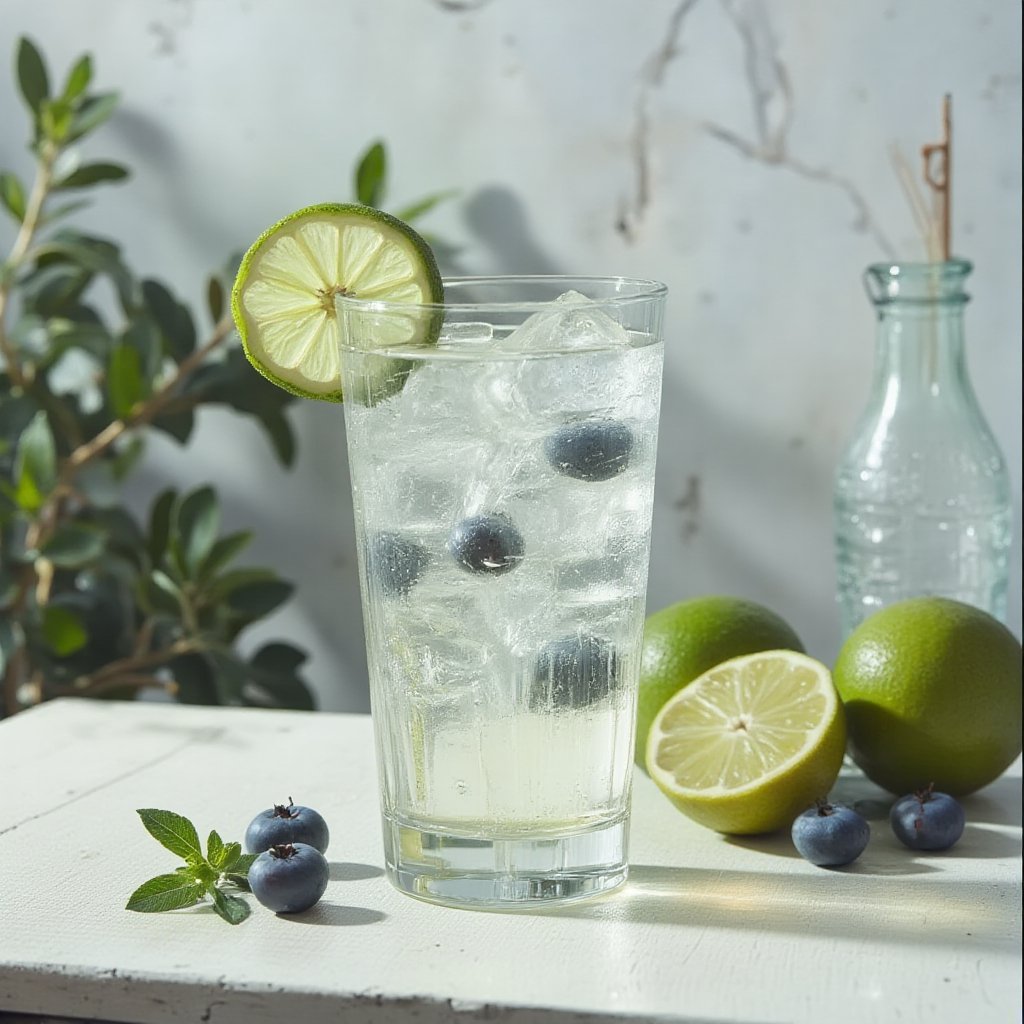
A gin and tonic is the simplest way to test a non-alcoholic gin. The tonic does a lot of the heavy lifting, and you’ll know immediately whether you like the spirit.
An Old Fashioned is the truest test of a bourbon alternative because the spirit is front and center with minimal support from bitters and sweetener.
A margarita forgives a lot. Between the lime juice, orange liqueur substitute, and salt rim, even a middling tequila alternative can shine.
For something more adventurous, try a Negroni with non-alcoholic gin and aperitif. It’s one of the most convincing non-alcoholic cocktails because the botanicals and bitterness translate so well.
Browse all of our mocktail recipes to find something that matches the bottles on your shelf.
The bottom line
The non-alcoholic spirits market has matured rapidly. The best products from Seedlip, Lyre’s, Monday, and Ritual Zero Proof are genuinely useful for making cocktails that taste intentional rather than improvised. The worst ones are expensive flavored water. Knowing the difference comes down to trying a few, understanding what each category does well, and finding the brands that work for your palate.
If you’re building a home bar from scratch, our guide to stocking a non-alcoholic bar covers everything you need to get started.