Ginger does something in a mocktail that almost no other ingredient can. It brings heat, depth, and a kind of spicy complexity that makes a non-alcoholic drink feel like a proper cocktail. If you’ve ever wondered why the best ginger beer mocktails taste so satisfying, it’s because ginger fills the same role that alcohol usually plays: it gives your palate something to pay attention to. That tingling warmth at the back of your throat makes your brain register the drink as more interesting and more adult than a plain soda ever could.
But not all ginger is the same, and understanding the differences between ginger beer, ginger ale, and fresh ginger will change how you approach your drinks.
Ginger beer vs. ginger ale vs. fresh ginger
These three get used interchangeably in casual conversation, but they’re actually quite different in a glass.
Ginger beer is the boldest of the three. Despite the name, it’s non-alcoholic (or very close to it) and is made by brewing real ginger root. The result is spicy, assertive, and sometimes a little cloudy. Good ginger beer has a genuine kick that hits your throat and sinuses. It’s the backbone of any mule-style cocktail, and it can hold its own alongside strong flavors like bourbon or mezcal. If you want your ginger mocktail to have real presence, ginger beer is the one to reach for.
Ginger ale is the gentler cousin. It’s a carbonated soft drink flavored with ginger, but most commercial ginger ales use very little actual ginger root. The flavor is lighter, sweeter, and more mellow. Ginger ale works well when you want a subtle ginger note without it dominating the drink. It pairs beautifully with fruit juices and citrus, and it’s the right choice when you’re mixing for people who find ginger beer too intense. Think of ginger ale as the supporting player and ginger beer as the lead.
Fresh ginger is the most versatile option and the one that gives you the most control. A thumb-sized piece of ginger root, peeled and sliced, can be muddled directly into a drink for a bright, sharp flavor that tastes nothing like what comes out of a bottle. Fresh ginger has a fragrant quality that the carbonated versions lose during processing. You can adjust the intensity by using more or less, and the flavor is cleaner and more nuanced than either ginger beer or ginger ale.
Why ginger works so well in mocktails
The challenge with non-alcoholic drinks has always been that missing “something.” Alcohol provides burn, bitterness, and body. Without it, drinks can taste flat or one-dimensional, like fancy sodas. Ginger solves this problem directly. The compound gingerol, the same thing that makes ginger spicy, activates the same receptors in your mouth that respond to heat and capsaicin. Your tongue treats a ginger-forward mocktail differently than it treats a sweet fruit drink; it recognizes complexity and lingers on the finish.
This is why mule-style drinks are some of the most popular mocktails out there. A Kentucky Mule combines non-alcoholic bourbon with ginger beer and lime, and the ginger beer does the heavy lifting in making the drink feel substantial. The Mezcal Mule takes the same idea in a smokier direction. And a Spiced Apple Chai Mule layers warm spices on top of the ginger to create something that feels like autumn in a glass. The mule format works because ginger beer provides enough flavor and texture to carry an entire drink.
Ginger mocktail ideas beyond the mule
Mules are a great starting point, but ginger’s range extends much further. A Ginger Beer Mocktail keeps things simple with ginger beer, lime, and bitters, proving that you don’t need a long ingredient list to make something worth drinking. The Ginger Pear Fizz pairs ginger beer with pear juice and a squeeze of lemon for something lighter and a little more refined.
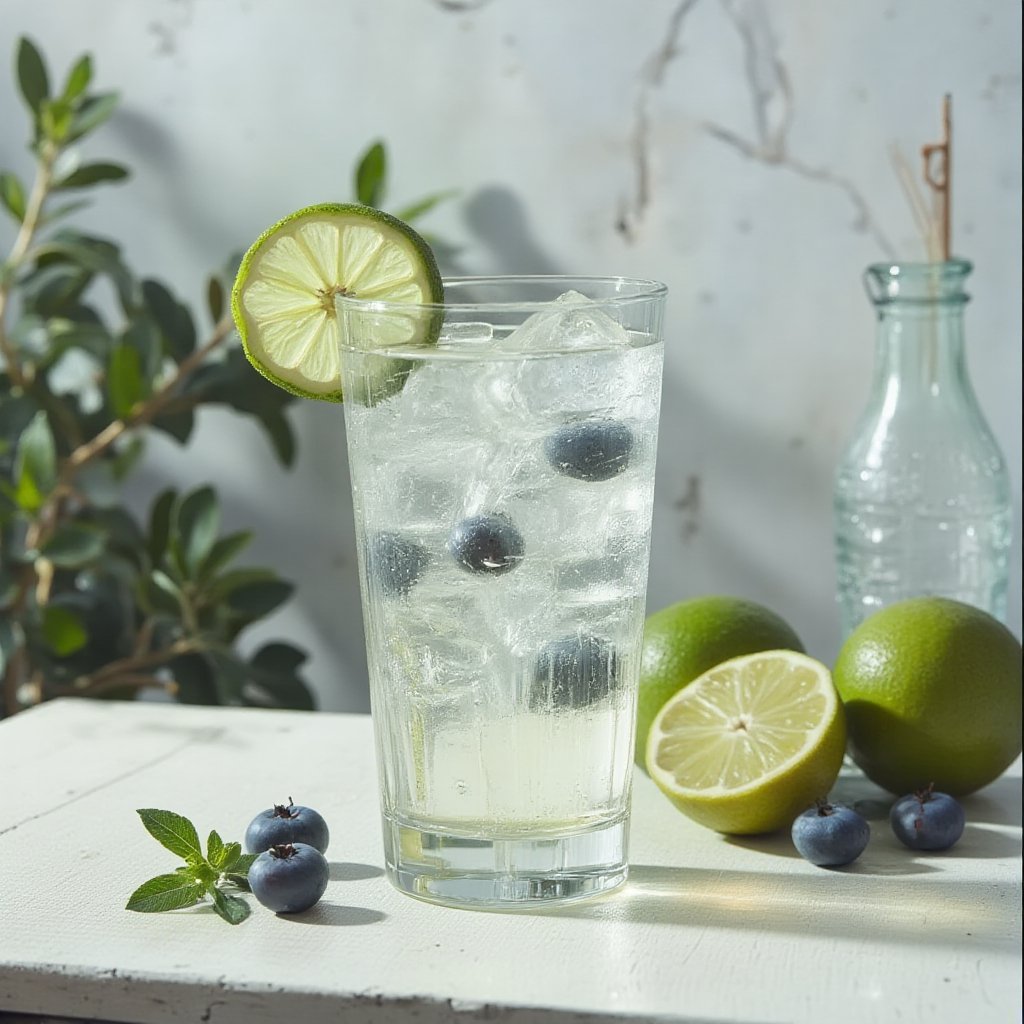
Try a ginger and citrus highball by combining two ounces of fresh ginger juice (or muddled ginger) with the juice of one lemon, a spoonful of honey, and topping the whole thing with sparkling water. It’s tart, slightly sweet, and the ginger gives it a backbone that makes it feel composed rather than thrown together.
A watermelon ginger cooler is another option worth trying in warmer months. Blend fresh watermelon, strain it, and mix it with ginger ale and a squeeze of lime over crushed ice. The sweetness of the watermelon plays against the spice of the ginger in a way that’s genuinely refreshing. If you want more bite, swap the ginger ale for ginger beer.
For something warm, ginger pairs naturally with honey and lemon. A Hot Toddy uses ginger alongside non-alcoholic bourbon, and it’s the kind of drink you want when it’s cold outside and you need something to hold in both hands. Even without the toddy format, steeping fresh ginger slices in hot water with honey and a cinnamon stick makes a simple drink that feels restorative.
The ginger syrup shortcut
If you find yourself using fresh ginger regularly, making a batch of ginger syrup will save you time and give you more consistent results. Simmer equal parts sugar and water with a generous amount of sliced fresh ginger for about fifteen minutes, then strain out the solids. The syrup keeps in the fridge for two to three weeks and works as a drop-in replacement for simple syrup in almost any recipe. One tablespoon of ginger syrup in a glass of sparkling water with lime is already a respectable drink on its own.
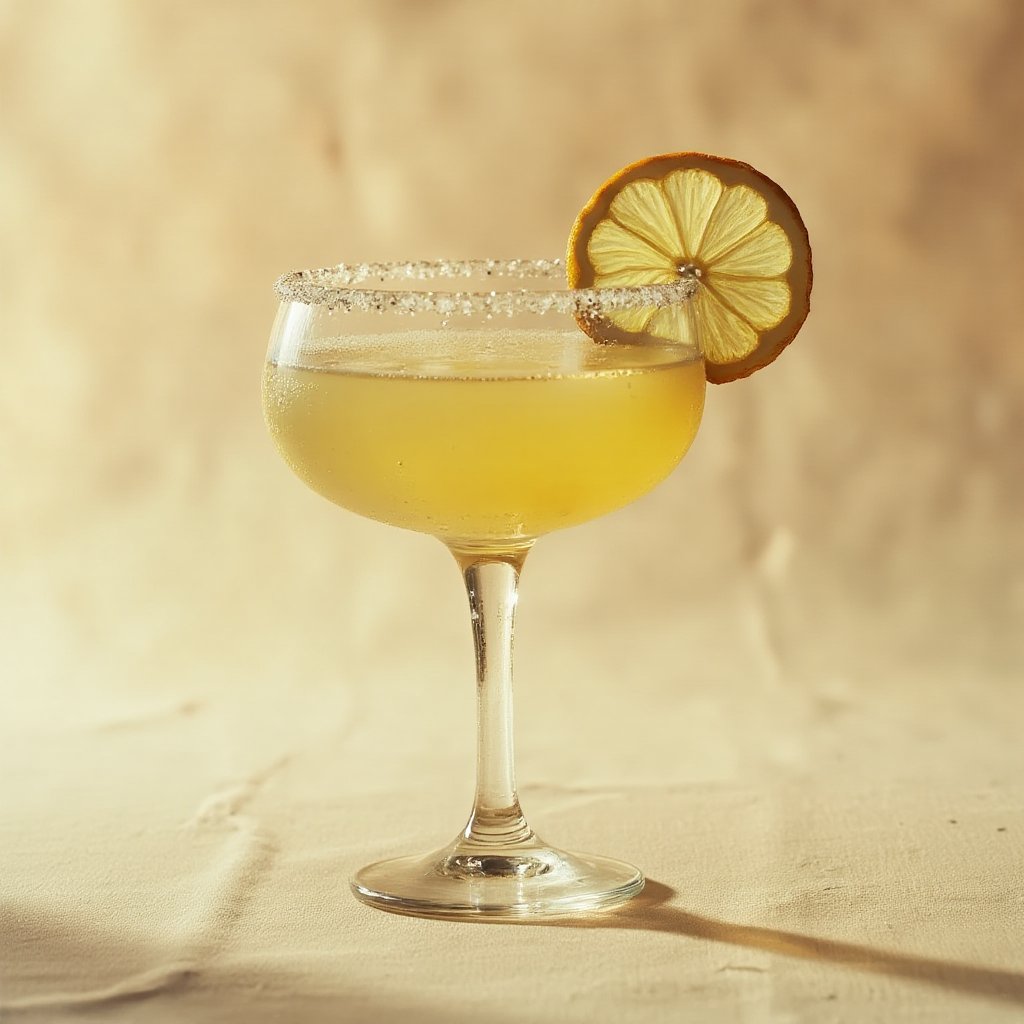
Ginger syrup also lets you add ginger flavor to drinks where you don’t want the texture or fiber of muddled ginger. Stirred cocktails, coupe-glass drinks, and anything you want to keep visually clean all benefit from the syrup approach. You can adjust the intensity by simmering longer for a stronger flavor or adding less syrup per drink.
Ginger in every season
One of the best things about ginger as a mocktail ingredient is that it works year-round. In summer, ginger beer mocktails served over ice with lots of citrus and fresh fruit are exactly what a hot afternoon calls for. The spice cuts through sweetness and keeps cold drinks from tasting like juice boxes.
In colder months, ginger moves naturally into warm drinks. Hot toddies, ginger tea with honey, and warm apple cider spiked with fresh ginger and cinnamon all feel like they belong in front of a fireplace. Ginger’s warming quality isn’t just a figure of speech; it genuinely raises the perception of warmth in your mouth and chest, which is exactly what you want when the temperature drops. Few other ingredients can cross that seasonal line so effortlessly.