Fresh herbs and edible flowers do more for a mocktail than most non-alcoholic spirits can. A sprig of mint changes the aroma before the glass even reaches your lips. A few basil leaves add a peppery warmth that grounds fruit-forward drinks. Lavender brings a perfumed sweetness that makes simple lemonade feel like something from a cocktail bar. If you’ve been building your mocktail skills around citrus and syrups, herbs and florals are the next place to look. These seven recipes cover the range, from cooling mint drinks to savory basil combinations to delicate floral sips.
Mint drinks
Mint is the most common herb in cocktail making, and for good reason. It’s easy to find year-round, it grows like a weed if you plant it at home, and it plays well with nearly every flavor profile. The trick with mint is handling it properly. You want to slap the leaves between your palms before adding them to the glass. This bruises the surface just enough to release the aromatic oils without tearing the leaves apart and introducing bitter, vegetal flavors. Save the hard muddling for sturdier ingredients.
Mojito
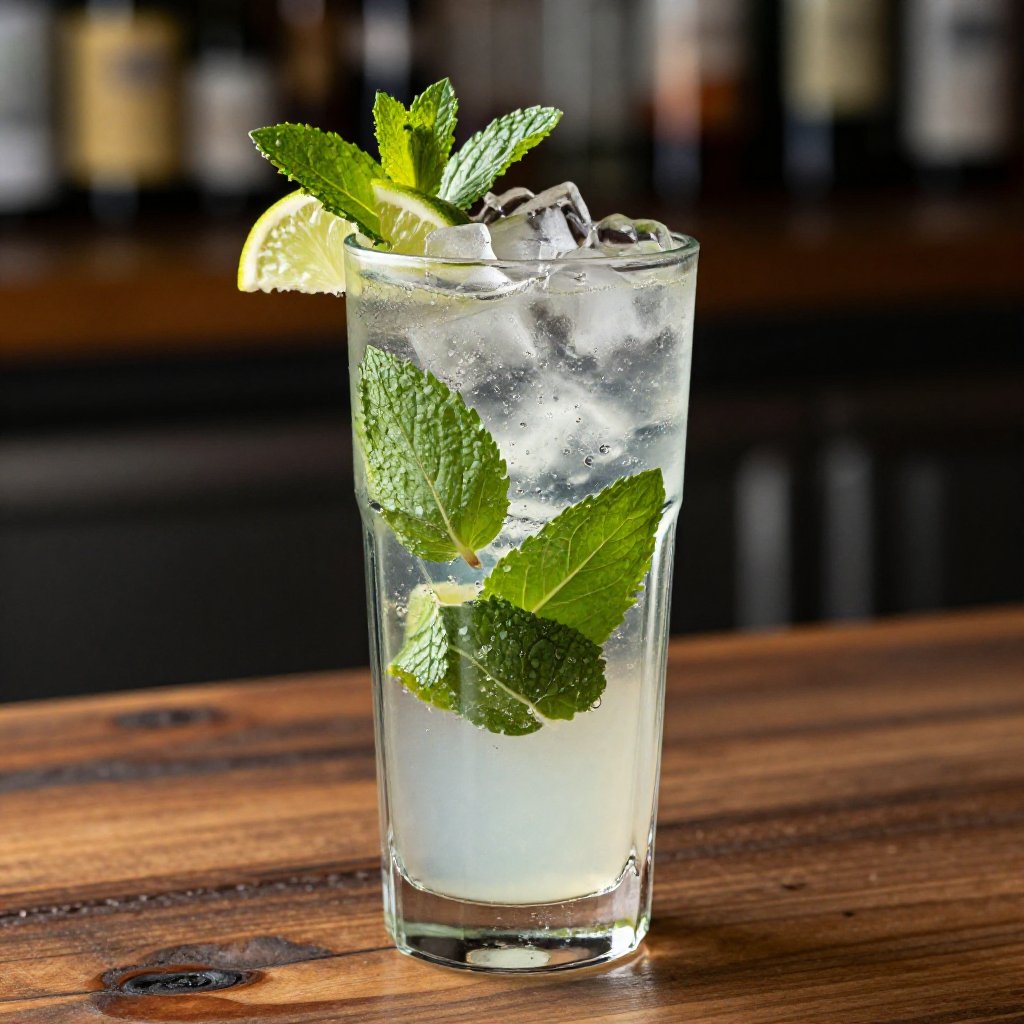
The mojito is where most people first discover how well mint works in a drink. Muddled mint, fresh lime juice, sugar, and club soda create a drink that’s refreshing without being complicated. A non-alcoholic rum adds body and a touch of sweetness, though the drink holds up without it if you prefer something spirit-free. The muddling here should be gentle. Press the mint leaves against the bottom of the glass with your muddler just enough to release the oils, then add the lime and sugar. Overly aggressive muddling turns the drink cloudy and bitter.
Mint julep
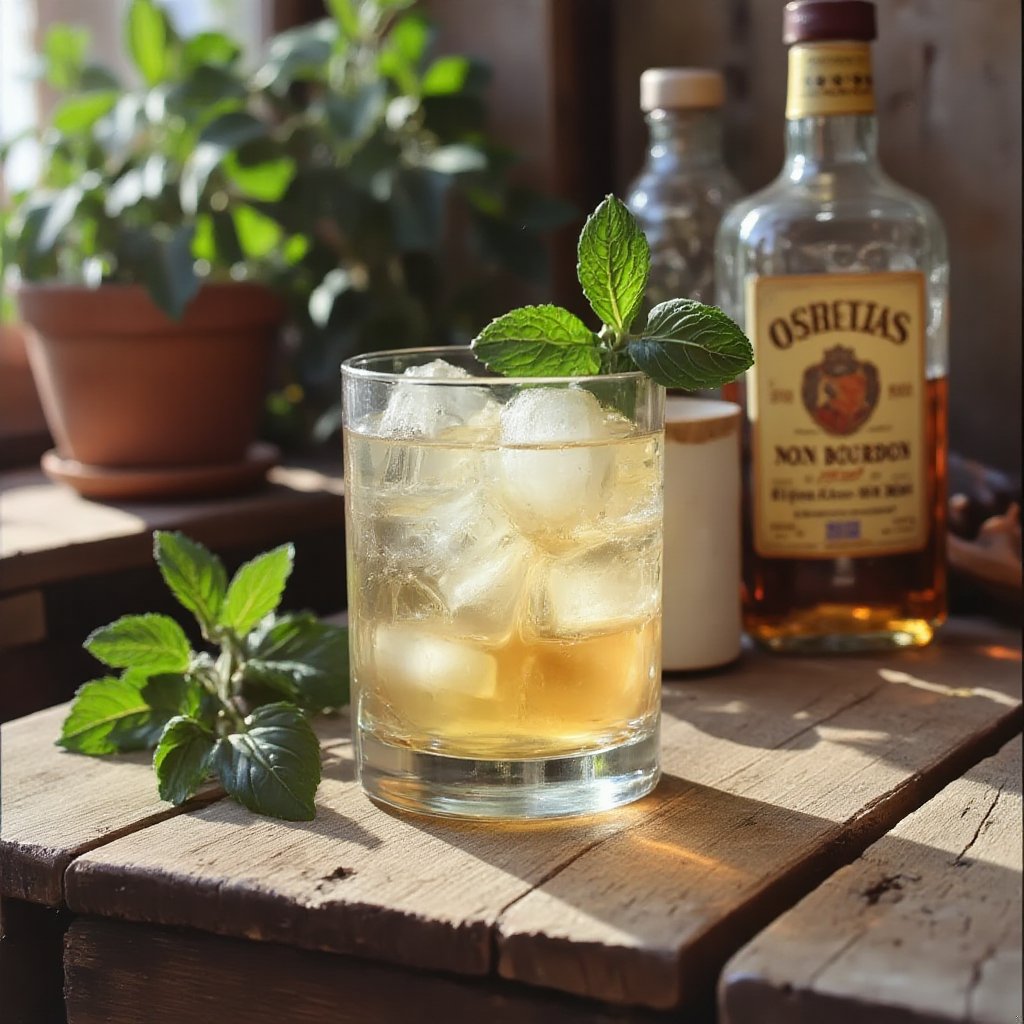
Where the mojito is bright and tropical, the Mint Julep goes in a warmer direction. Non-alcoholic bourbon brings caramel and vanilla notes that pair beautifully with fresh mint and simple syrup. Crushed ice is non-negotiable here. It chills the drink fast, dilutes it slowly, and creates that signature frost on the outside of the cup. Pack the crushed ice tightly, garnish with a big bouquet of mint sprigs, and drink it through a short straw so your nose sits right in the herbs with every sip.
Basil drinks
Basil brings a savory, almost peppery quality that balances fruit sweetness in ways that mint can’t. It works particularly well with berries, stone fruit, and citrus. When using basil in drinks, slap the leaves just as you would with mint, or give them a light muddle with your other ingredients. Basil also makes an excellent syrup. Simmer equal parts sugar and water until dissolved, remove from heat, add a handful of fresh basil leaves, and let it steep for thirty minutes before straining. The syrup keeps for about two weeks in the fridge and adds herbal complexity to any sparkling drink.
Berry basil spritzer
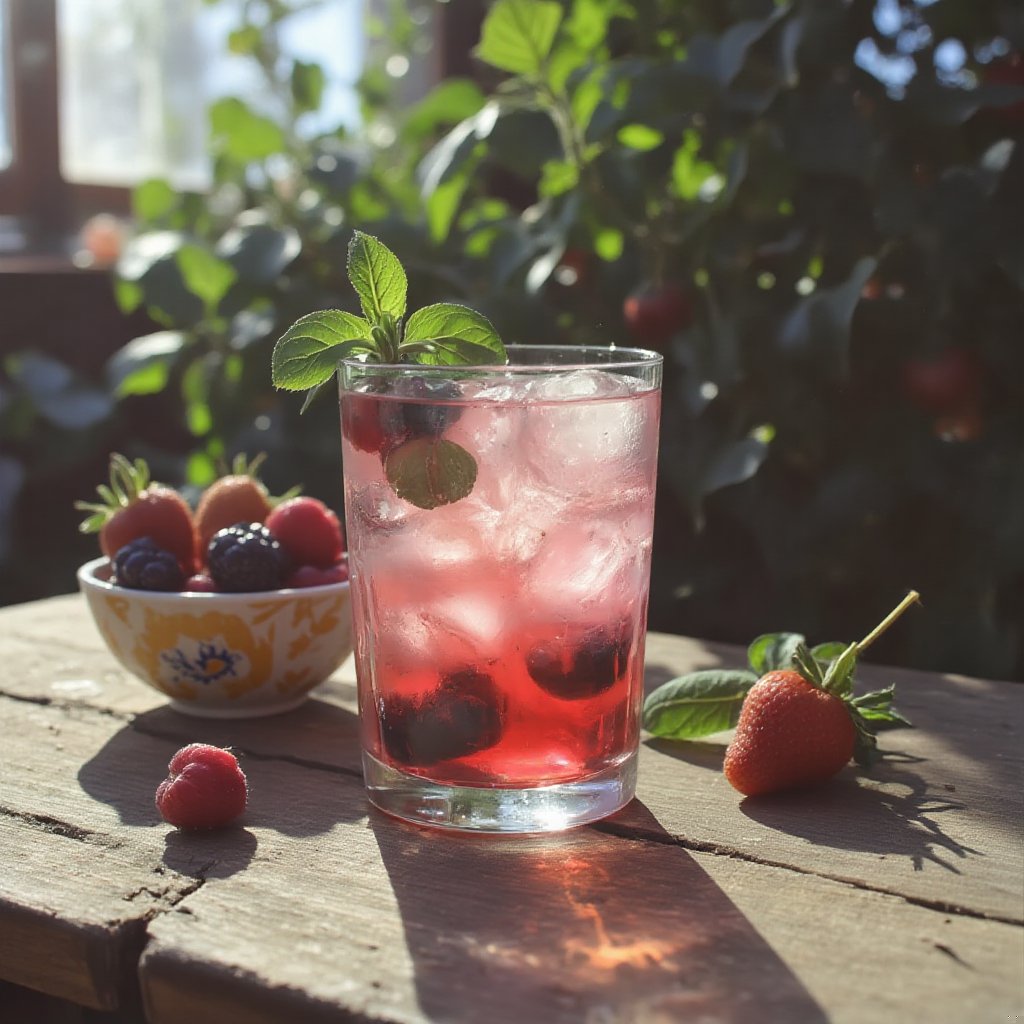
Mixed berries muddled with fresh basil and a touch of honey make a spritzer that’s both fruity and herbal. The basil keeps the berries from tasting like juice, adding a green, aromatic note that makes the whole drink feel more grown-up. Top it with sparkling water and serve over ice. This one is particularly good for batch-making in a pitcher since the flavors meld and improve as they sit. Use whatever berries look best, though a mix of strawberries and raspberries gives the best balance of sweet and tart.
Berry basil elixir
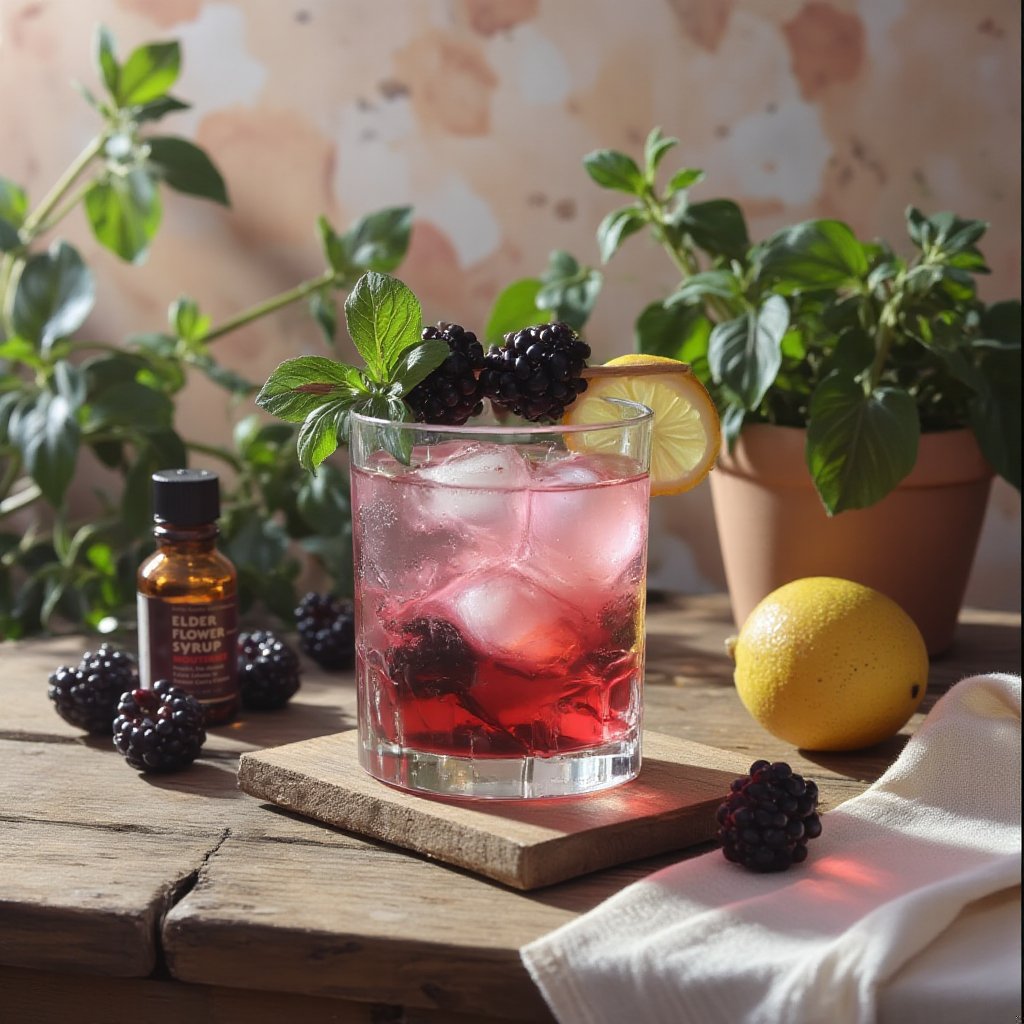
This one takes the berry-basil pairing in a more sophisticated direction by adding non-alcoholic gin. The botanical notes in the gin amplify the basil’s herbal character, while muddled blackberries provide a deep purple color and a rich, tart backbone. A splash of lemon juice brings everything into focus. If you’re looking for a single drink that shows off what herbs can do in a mocktail, this is it. Serve it up in a coupe glass and it looks like something a bartender spent real time on.
Lavender and floral drinks
Floral flavors sit in a different register than herbs like mint and basil. They’re more about aroma and delicacy than bold flavor, which makes them perfect for lighter, more elegant drinks. The key with floral ingredients is restraint. A little lavender syrup transforms a glass of lemonade. Too much and you’re drinking something that tastes like soap. Start with less than you think you need and add more to taste.
Lavender lemonade
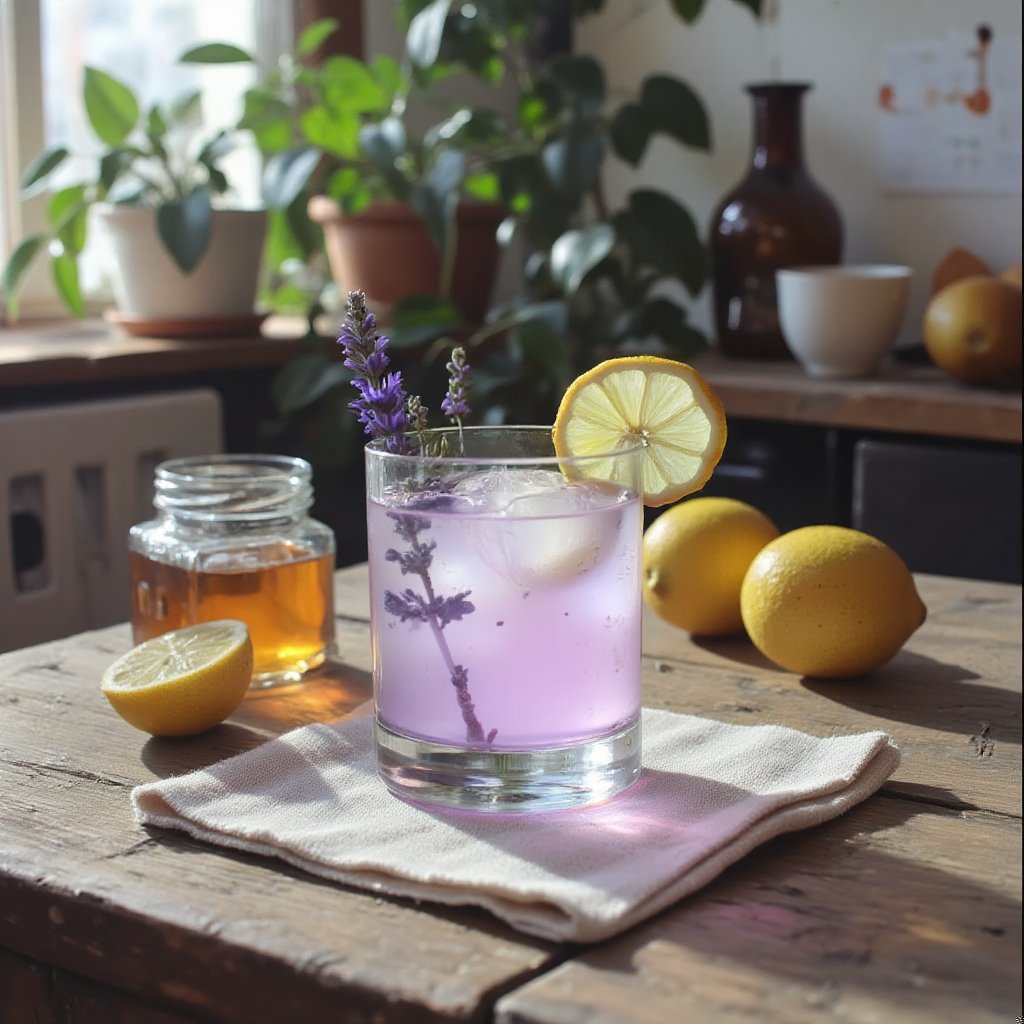
This is one of the simplest recipes in the collection and one of the most rewarding. Lavender syrup and fresh lemon juice topped with sparkling water create a drink that’s floral, tart, and gently sweet. The pale purple tint looks gorgeous without any food coloring or garnish tricks. Making your own lavender syrup takes about ten minutes: simmer water and sugar together, stir in a tablespoon of dried culinary lavender, steep for ten minutes, and strain. That one batch will carry you through a dozen drinks. If you enjoy this flavor profile, try experimenting with other floral syrups like rose, hibiscus, or elderflower.
Cucumber and green drinks
Cucumber sits at the intersection of herbal and fresh. It’s cooling, mildly sweet, and adds a clean, spa-like quality to drinks. Paired with lime and mint, it creates some of the most refreshing mocktails you can make, especially when the weather warms up.
Cucumber lime cooler
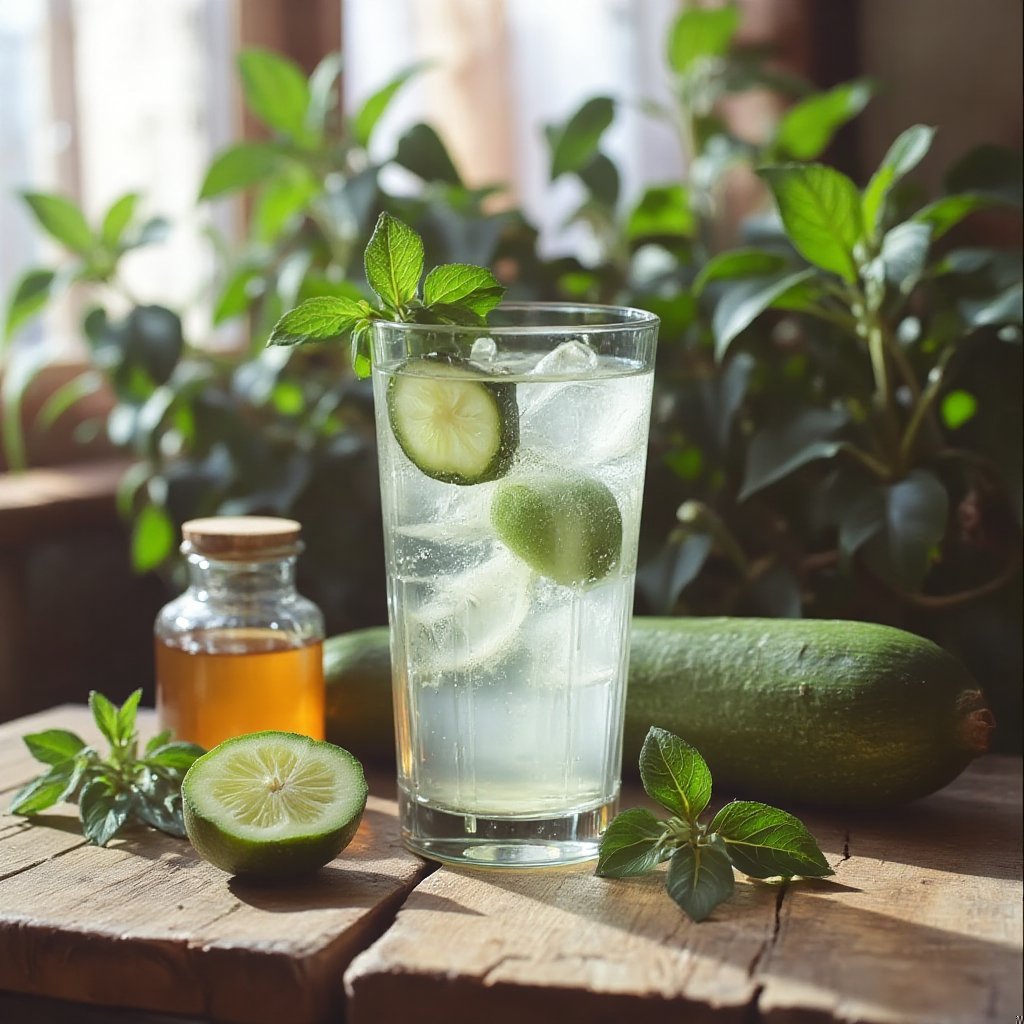
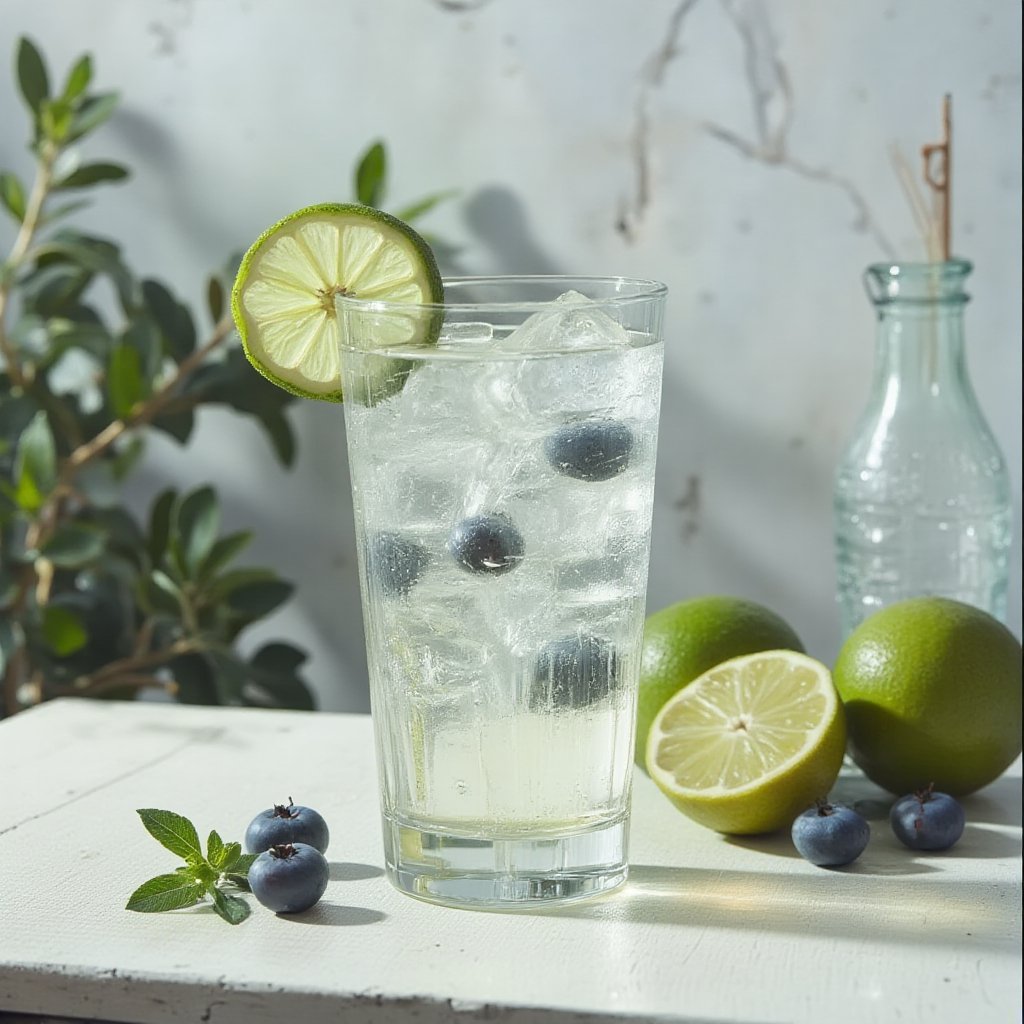
Cucumber, lime, honey, fresh mint, and sparkling water. That’s the whole list, and somehow it adds up to more than the sum of its parts. The cucumber gives the drink a cool, clean flavor, the lime adds brightness, and the mint ties everything together with its familiar aroma. This is one of the best spirit-free options on the site, perfect for afternoons when you want something more interesting than water but lighter than a full-blown cocktail.
Crisp green tonic
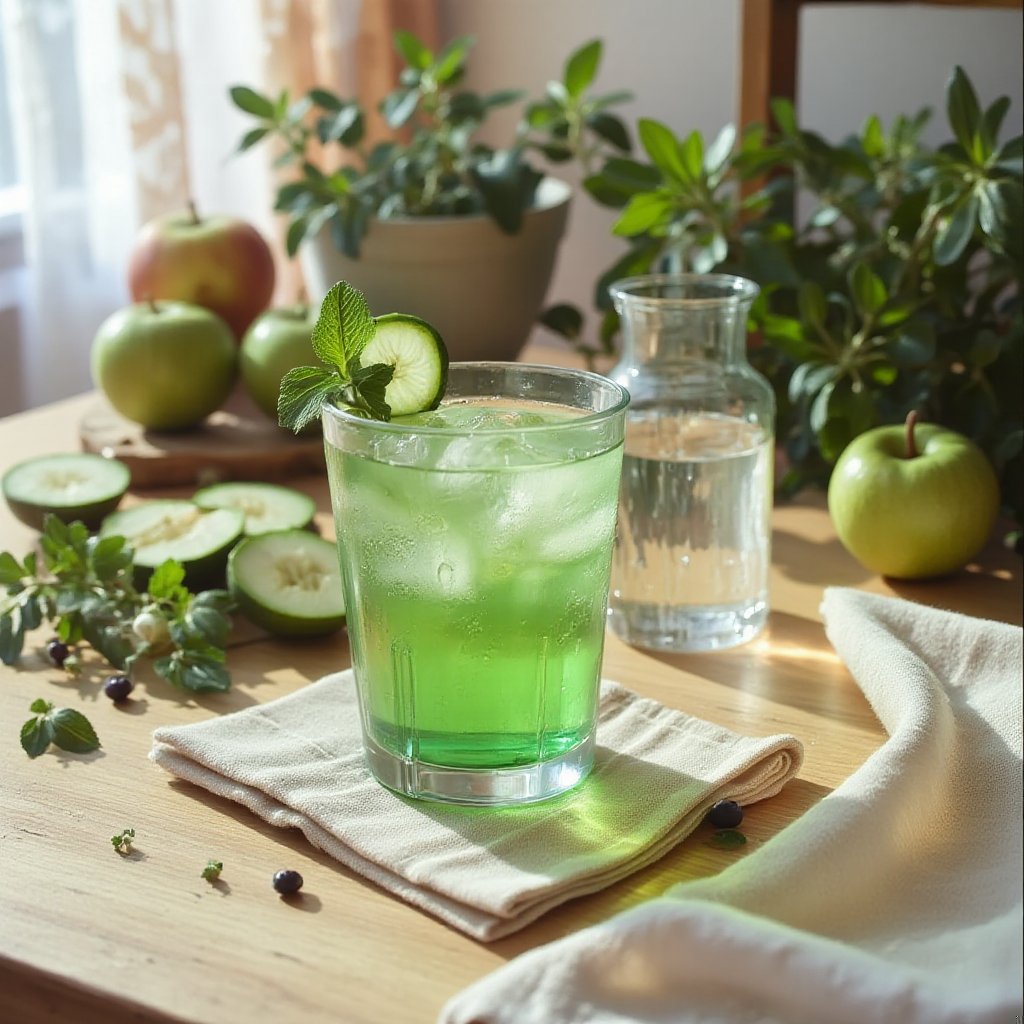
This recipe layers cucumber with green apple, mint, white grape juice, and optional juniper berries for a drink that feels botanical and complex. The green apple adds tartness and structure, while the cucumber keeps things cool and mellow. If you include the juniper berries, you’ll get a subtle nod toward a gin and tonic without needing any spirit at all. It’s an excellent option when you want something that feels layered and thought-through, but don’t want to open a bottle.
Working with fresh herbs
A few techniques will improve every herbal drink you make. First, always slap your herbs before using them. Hold the leaves in one palm and clap your hands together once or twice. You’ll immediately smell the difference as the essential oils release. This works for mint, basil, sage, rosemary, and any other leafy herb.
When muddling herbs with other ingredients, use a gentle press-and-twist motion rather than pounding. The goal is to bruise, not to shred. Shredded herbs release chlorophyll, which turns drinks bitter and murky. If a recipe calls for muddled herbs, press them three or four times and stop there.
Herb-infused simple syrups are worth the small effort. They let you add herbal flavor to any drink without the texture of leaves in the glass. The basic method works the same for almost any herb: make a simple syrup, remove it from heat, add your herbs, steep for twenty to thirty minutes, and strain. Mint syrup, basil syrup, rosemary syrup, and lavender syrup all keep for about two weeks refrigerated. Having a couple of these on hand opens up improvisation. A splash of basil syrup in sparkling water with a squeeze of grapefruit is a perfectly good drink all on its own.
Browse the full recipe collection to find more drinks that put herbs and flowers to work.