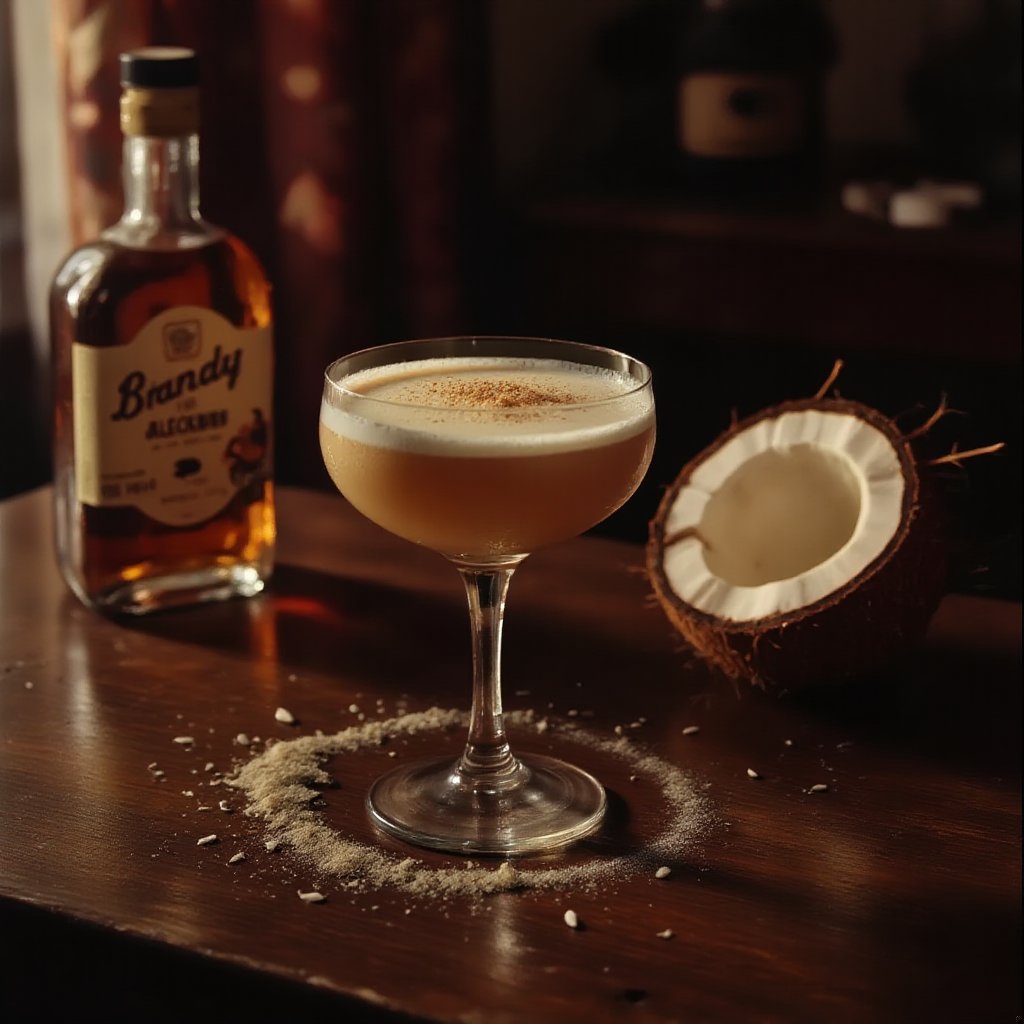
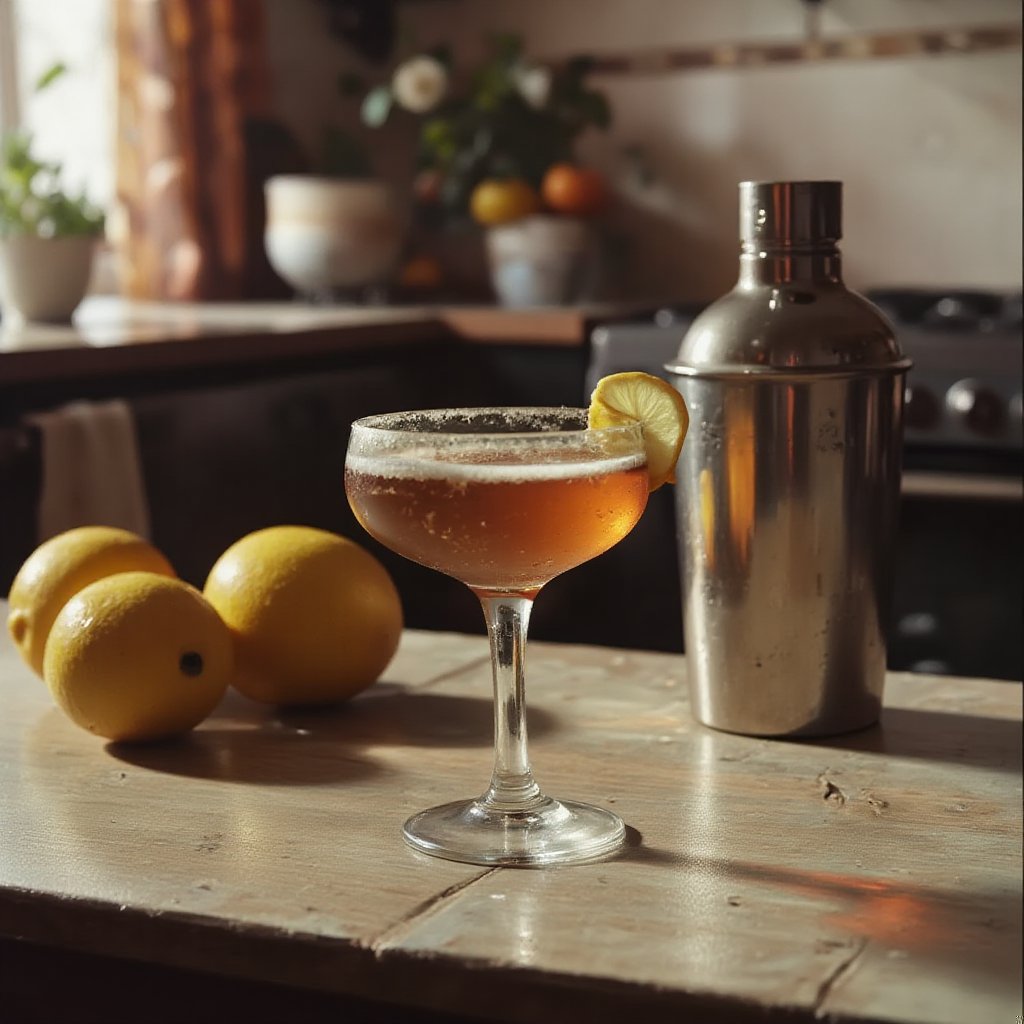
Cognac gets its character from grapes and oak. It’s fruit-forward and warm, with notes of vanilla, caramel, dried fruit, and gentle spice. That makes it surprisingly approachable to replicate at home. You don’t need fancy equipment or hard-to-find ingredients. A few pantry staples and some patience will get you a base that works in most cognac cocktails.
These five methods each take a different angle on cognac’s flavor profile. Some lean into the grape and dried fruit side. Others focus on the oak-aged warmth. Try them in your favorite cognac recipes or use them as a starting point and adjust to your taste.
If you’re looking for ready-made options instead, check out the non-alcoholic cognac alternatives page. And for more spirits you can make at home, see the full DIY alcohol substitutes guide.
1. Grape and vanilla simmer
Ingredients: 1 cup Concord grape juice, 1/2 cup water, 1 tablespoon brown sugar, 1/2 teaspoon vanilla extract, 1 cinnamon stick, 2 whole cloves
Combine the grape juice, water, brown sugar, and spices in a small saucepan. Bring to a low simmer and cook for 10 minutes, then remove from heat and stir in the vanilla extract. Let it cool and strain out the whole spices. This gives you a rich, fruity base with warm undertones that mirrors cognac’s grape-forward character. It works especially well in cocktails where cognac is the star, like a Cognac Sidecar.
2. Black tea and oak extract blend
Ingredients: 1 cup strong-brewed black tea (Assam or English Breakfast), 1 tablespoon maple syrup, 1/4 teaspoon oak extract or liquid smoke, 1/2 teaspoon vanilla extract, pinch of allspice
Brew a strong cup of black tea using double the usual amount of leaves or bags. While it’s still hot, stir in the maple syrup and spices. Add the oak extract last and go light with it. A few drops go a long way. The tannins in the tea provide that dry, slightly astringent quality you get from barrel-aged spirits, while the maple and vanilla fill in the caramel sweetness. This one is great for sipping cocktails that need some backbone.
3. Dried fruit infusion
Ingredients: 1/2 cup raisins, 3-4 dried apricots, 2 cups hot water, 1 tablespoon honey, 1/2 teaspoon vanilla extract, 1 small strip of orange peel
Put the raisins, apricots, and orange peel in a jar and pour the hot water over them. Let it steep for at least 4 hours, or overnight in the fridge for a deeper flavor. Strain, then stir in the honey and vanilla. The dried fruit gives you that aged, concentrated sweetness that’s hard to get any other way. This infusion captures the raisin and apricot notes that show up in well-aged cognac. Try it in a French 75 where the fruit notes pair well with the citrus.
4. Caramel spice syrup
Ingredients: 1/2 cup sugar, 1/4 cup water, 1/2 cup warm water, 1/2 teaspoon vanilla extract, pinch of cinnamon, pinch of nutmeg, 1 teaspoon apple cider vinegar
Make a dry caramel by heating the sugar in a saucepan over medium heat until it melts and turns amber. Carefully add the 1/4 cup of water (it will bubble), then stir until smooth. Add the warm water, spices, and vanilla. Finish with the apple cider vinegar for a hint of sharpness that keeps it from being one-note sweet. This syrup nails the toasted caramel and baking spice side of cognac. Use it as a concentrate, about 1-2 ounces per drink.
5. Spiced white grape shrub
Ingredients: 1 cup white grape juice, 1/4 cup apple cider vinegar, 2 tablespoons brown sugar, 1 star anise, 1 cinnamon stick, 2 black peppercorns, 1/2 teaspoon vanilla extract
Warm the grape juice with the brown sugar and whole spices over low heat for about 8 minutes. Don’t let it boil. Remove from heat and let it cool completely, then strain out the spices. Stir in the apple cider vinegar and vanilla. The vinegar adds a bite that mimics the warmth and burn of alcohol, while the spices and grape juice handle the flavor side. This shrub-style base is particularly good in a Stinger where you want that clean, warm finish.
Put your substitutes to work
Once you’ve made a batch, you have everything you need for a full evening of cognac-style mocktails. The grape and vanilla simmer and the dried fruit infusion are the most versatile. They’ll work in almost any recipe that calls for cognac. The caramel spice syrup is best when you want something richer and more dessert-forward. And the shrub adds a nice acidic kick that keeps drinks feeling lively.
Start with one of the cognac recipes on the site and swap in your homemade substitute. You’ll likely want to adjust sweetness and dilution as you go. That’s the best part of making your own. You can tune it exactly to your taste.