A well-stocked non-alcoholic bar doesn’t need to look like a liquor store. You can cover a wide range of drinks with a handful of bottles, a few mixers, and some fresh ingredients. The key is starting with the things you’ll actually use, then expanding as your taste develops.
The core bottles
If you’re buying your first non-alcoholic spirits, start with two or three that match the kind of drinks you already enjoy. There’s no point stocking a full collection if you’re only going to reach for the same bottle every Friday night.
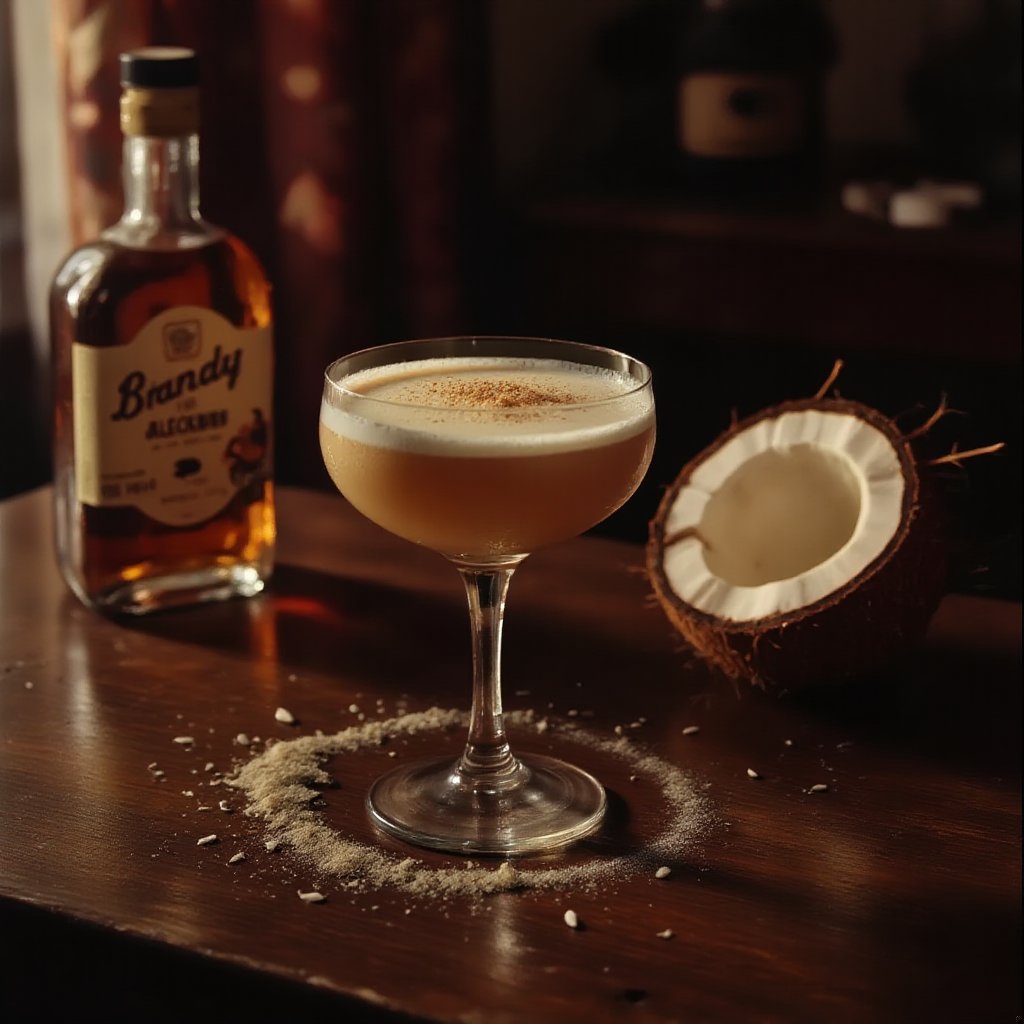
A non-alcoholic bourbon is a strong first pick. It’s the most versatile spirit in a home bar because it works in an Old Fashioned, a Whiskey Sour, a Manhattan, or mixed with cola. Spiritless Kentucky 74 and Lyre’s American Malt are both solid options with enough depth to hold up in spirit-forward drinks.
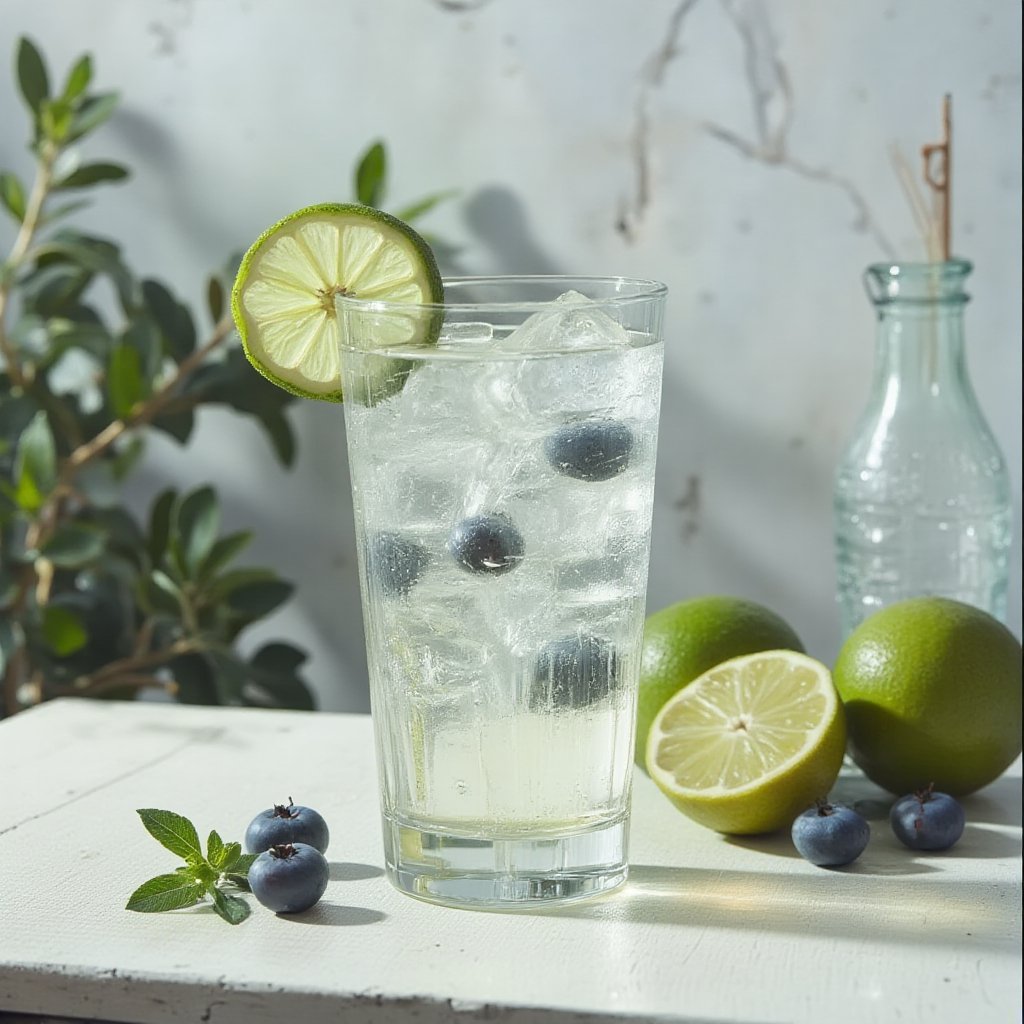
A non-alcoholic gin is the other essential. It pairs with tonic water for the easiest possible drink, and it works in martinis, spritzes, and anything that calls for botanical flavor. Seedlip Garden 108 leans herbal and fresh; Monday Gin is closer to a classic juniper profile.
After those two, choose based on preference. If you drink tropical drinks, a non-alcoholic rum like Lyre’s Dark Cane Spirit opens up mojitos, daiquiris, and punch. If margaritas are your thing, Ritual Zero Proof Tequila handles that well. Browse our full list of spirit substitutes to compare options across every category.
Mixers you’ll use constantly
Tonic water, soda water, and ginger beer. Those three cover the majority of mixed drinks. Buy a few different tonic brands and see which you prefer. Fever-Tree and Q Mixers both make tonics with real quinine and natural flavors that taste noticeably better than the budget options.
Cola and ginger ale round out the basics for highball-style drinks. Keep cranberry juice and orange juice in the fridge for Sea Breezes, Screwdrivers, and punches. Pomegranate juice works as a red wine stand-in and adds depth to anything you mix it into.
Syrups and sweeteners
Simple syrup is the foundation. Equal parts sugar and water, heated until dissolved. It takes five minutes to make and keeps in the fridge for a month. That one bottle handles most of your sweetening needs.
Grenadine is worth having for Shirley Temples, Tequila Sunrises, and anything that needs a touch of sweetness with color. Look for real pomegranate grenadine, not the artificially flavored stuff.
Honey syrup (2:1 honey to water) gives a richer sweetness for drinks like the Hot Toddy. Agave syrup is the standard for margaritas and anything with tequila.
If you want to get more adventurous, flavored syrups open up a lot of options. Vanilla, lavender, ginger, and cinnamon are all useful. You can make them at home by simmering the ingredient in simple syrup and straining it, or buy premade bottles from brands like Monin.
Fresh ingredients
Citrus is non-negotiable. Keep lemons and limes on hand at all times. They’re used in more recipes than any other ingredient, and fresh-squeezed juice tastes dramatically better than the bottled kind.
Fresh mint is the second most useful herb. It goes in mojitos, juleps, and spritzers, and a small bunch lasts about a week in the fridge if you store it in a glass of water like cut flowers.
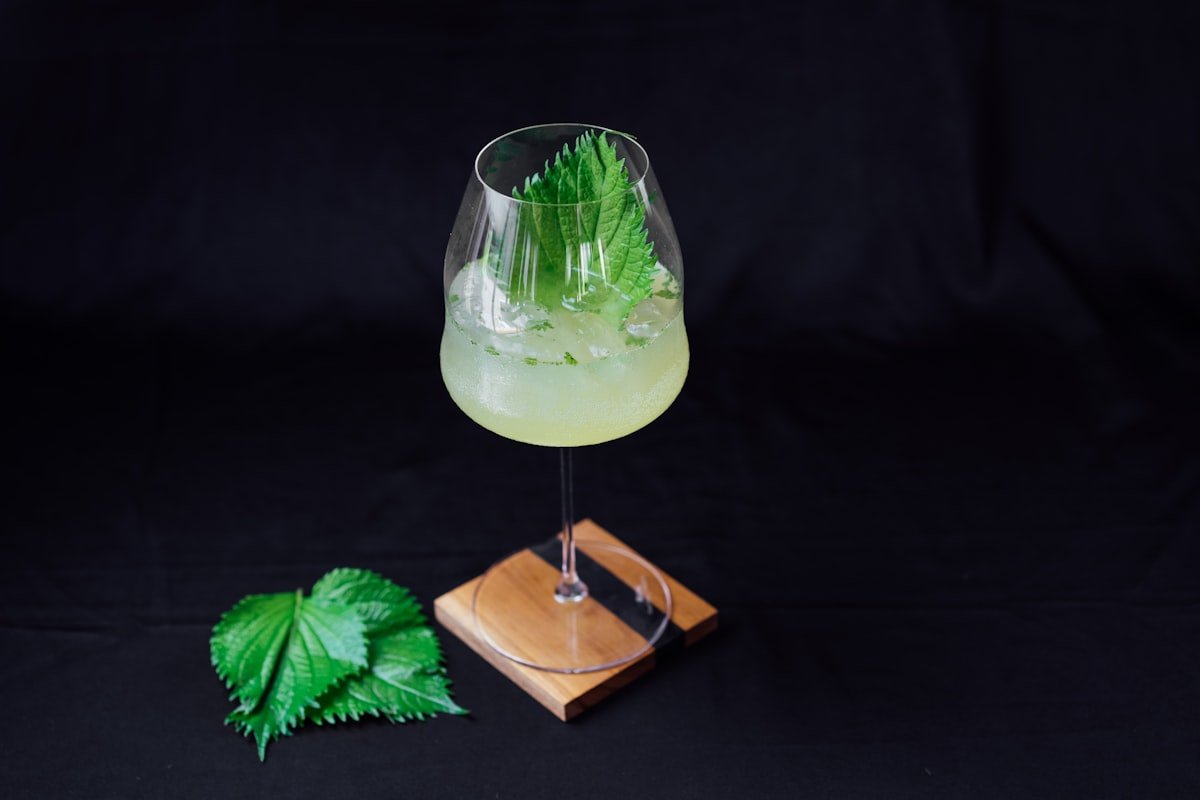
Beyond those two, stock what you’ll use: cucumber for gin drinks, basil for berry spritzers, rosemary for tonic-based drinks, ginger root for homemade ginger syrup or muddled drinks. Fresh fruit like oranges, grapefruit, and berries add both flavor and garnish.
Bitters
Bitters are the secret weapon of a non-alcoholic bar. A few dashes add complexity and depth to drinks that might otherwise taste flat. Angostura is the classic, and it works in an Old Fashioned, Manhattan, or Whiskey Sour. Orange bitters pair well with gin and tequila drinks.
Yes, most bitters contain alcohol. The amount you use per drink is tiny, typically a few drops. But if you want to keep things completely zero-proof, Fee Brothers makes several alcohol-free bitters, and there are other brands entering this space.
Tools
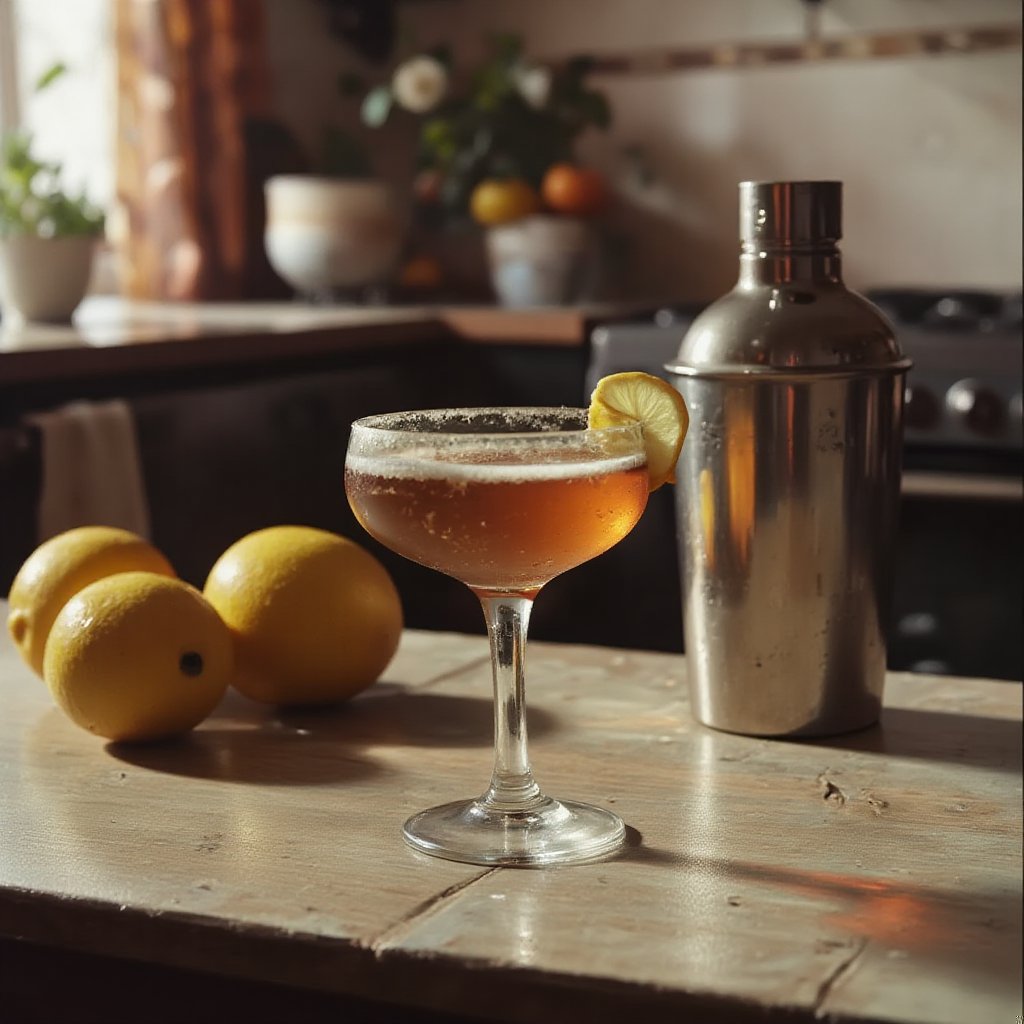
You don’t need much. A jigger (the double-ended measuring cup bartenders use) keeps your proportions right. A cocktail shaker handles anything that needs to be shaken with ice. A muddler or the back of a wooden spoon works for crushing mint and fruit. A fine strainer catches herb bits and ice shards.
A set of decent glassware makes a bigger difference than you’d expect. Drinks taste better when they look right. A few rocks glasses, some highball glasses, and a couple of coupe glasses cover most recipes.
What to skip
You don’t need every non-alcoholic spirit on the market. Most of them sit unopened after the first week. Buy one bottle, make a few drinks with it, and decide if you like it before ordering more. The same goes for exotic syrups and specialty mixers. Start simple and add as you go.
You also don’t need to spend a fortune. Many great mocktails use no spirits at all. A Berry Basil Spritzer, Lavender Lemonade, or Shirley Temple costs almost nothing to make and tastes great. The spirits are there for when you want something closer to a traditional cocktail experience, but they’re not required for every drink.
Build your bar around what you actually drink. If you make two or three recipes from our collection regularly, stock the ingredients for those and branch out from there. A focused bar that you use is better than a full one that collects dust.