Lyre’s has quietly become one of the most widely available non-alcoholic spirit brands in the world. Founded in Australia in 2019, the company set out to create an alcohol-free version of every major spirit category, and they’ve come remarkably close. With over a dozen products in their lineup spanning everything from bourbon to gin to absinthe, Lyre’s offers more variety under one label than almost any other brand in the space. That range is both their greatest strength and the thing that makes choosing your first bottle a little overwhelming.
The lineup
Most non-alcoholic brands pick three or four spirit categories and focus there. Lyre’s took the opposite approach, building out an entire back bar in alcohol-free form. Their catalog covers American Malt (bourbon), Dry London Spirit (gin), Italian Spritz (Aperol), Coffee Originale (coffee liqueur), Dark Cane Spirit (dark rum), White Cane Spirit (white rum), Agave Blanco (tequila), Aperitif Dry (dry vermouth), Italian Orange (Campari), Amaretti (amaretto), and several more. Each product is designed to mirror a specific traditional spirit, and most of them get surprisingly close in aroma and color if not always in depth.
The standout bottles
American Malt is Lyre’s answer to bourbon, and it’s one of their best. You get toasted caramel and oak on the nose, with vanilla sweetness that carries into the taste. It works well in an Old Fashioned where bitters and a touch of sweetener round out the flavor, and it holds up better than many competitors in spirit-forward drinks. It’s not going to fool a Kentucky purist sipping it neat, but it gives you something to work with behind the bar.
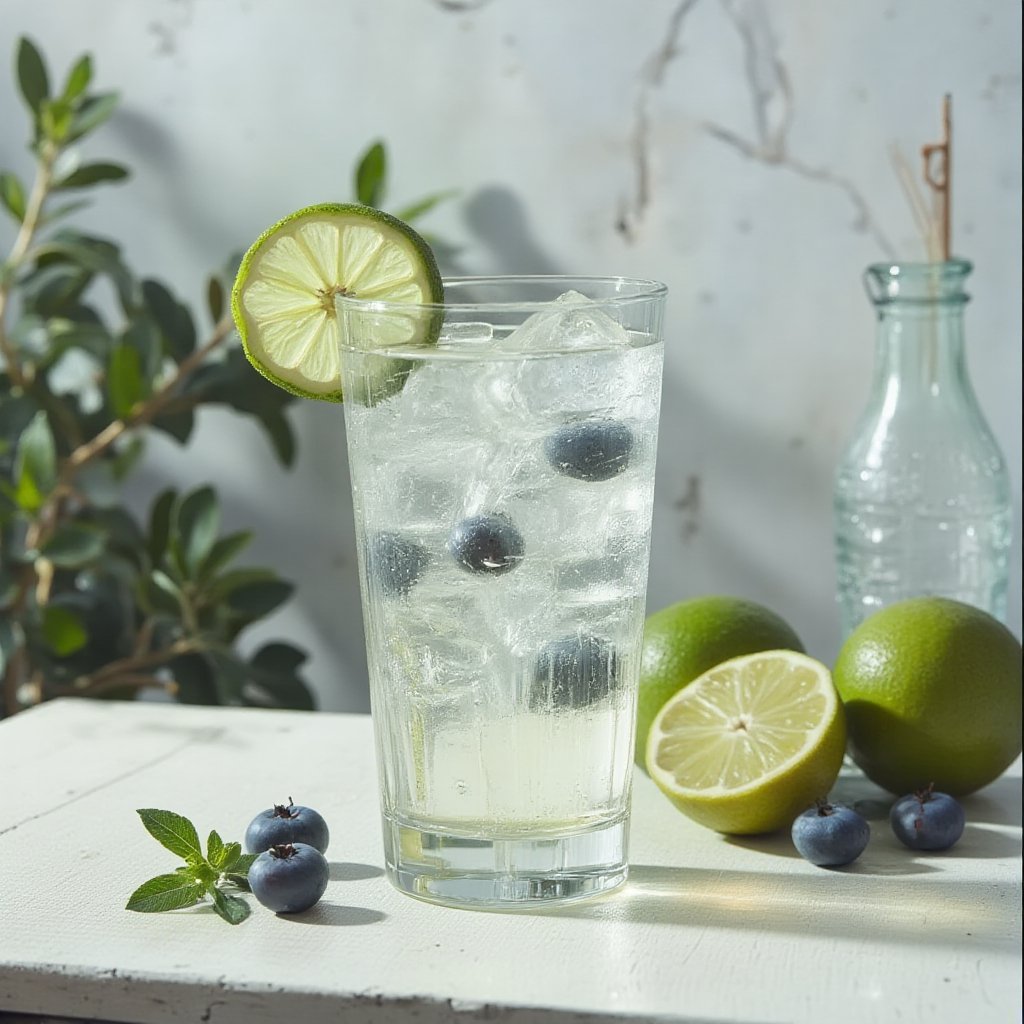
Dry London Spirit handles the gin category with a balanced blend of juniper and citrus. It’s more approachable than some of the bolder gin alternatives on the market, which makes it a good all-rounder for G&Ts, spritzes, and lighter cocktails. If you prefer a gin with a lot of bite, you might find it a touch mild, but that mildness is an advantage in drinks where you don’t want the spirit fighting the mixers.
Italian Spritz is arguably the product Lyre’s does best. Designed as a non-alcoholic Aperol substitute, it nails the bittersweet orange flavor that makes a spritz work. Mix it with sparkling water and a slice of orange and you have a drink that looks, smells, and tastes like the real thing. It’s the bottle that converts people who think non-alcoholic spirits can’t deliver on flavor.
Coffee Originale fills the coffee liqueur slot with a rich, slightly sweet coffee flavor that works in espresso martini riffs and dessert drinks. It’s one of those products that benefits from the fact that the original (Kahlua, Tia Maria) was already sweet and heavily flavored, so the absence of alcohol is less noticeable.
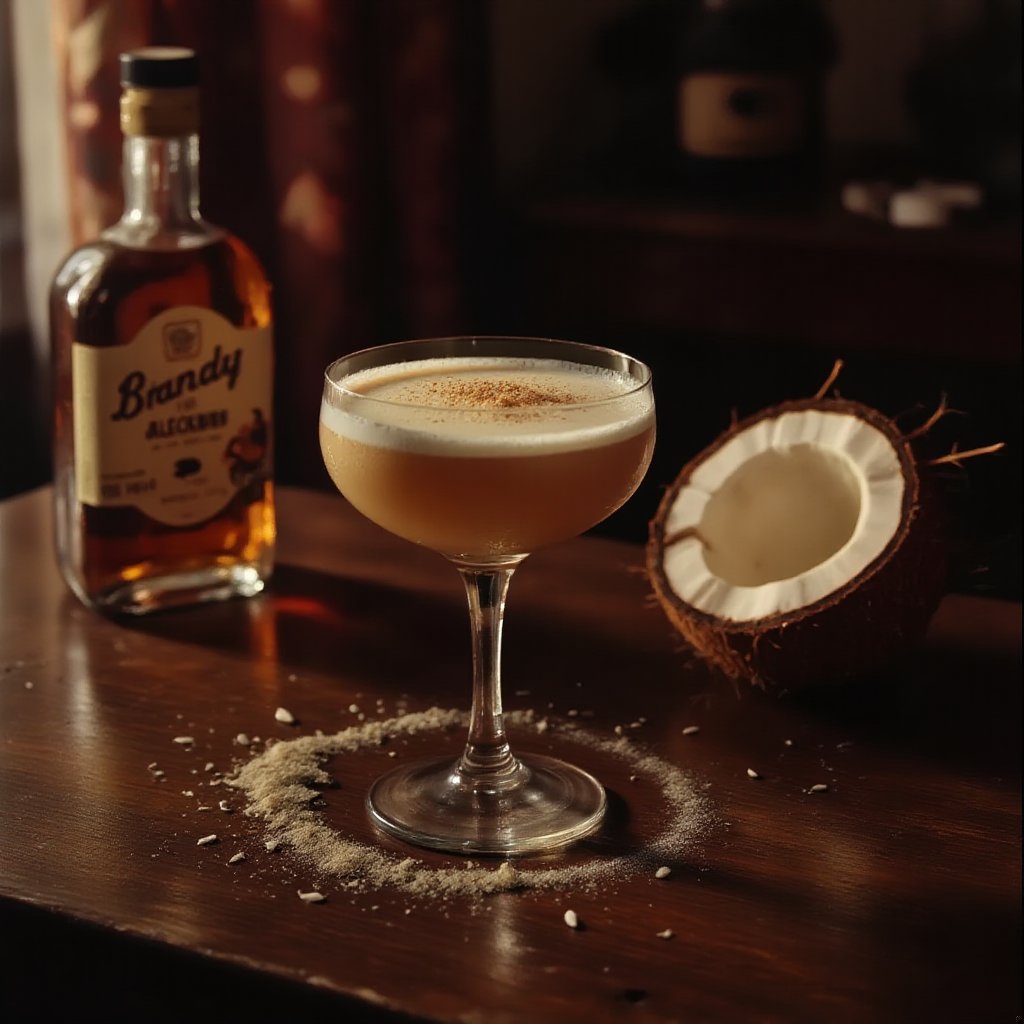
Dark Cane Spirit replicates dark rum with molasses, caramel, and warm spice notes. It’s a solid base for a mojito or rum punch, and it has enough body that it doesn’t disappear when you add ice and mixers. White Cane Spirit covers the lighter side of rum, though it’s less distinctive. It does the job in tropical drinks where lime, mint, and sugar are doing most of the talking.
Agave Blanco takes on tequila, and this is one of the trickier products in the lineup. It captures a mild agave sweetness and some green, peppery notes, but it lacks the earthiness and complexity of a good blanco tequila. It works fine in a margarita where the lime juice and sweetener carry the drink, but it’s less convincing on its own.
Aperitif Dry acts as a dry vermouth substitute, and it’s useful for anyone building non-alcoholic martinis or Manhattans. It has an herbal, slightly bitter character that adds complexity to mixed drinks. It’s not the kind of bottle you’ll reach for on its own, but that’s true of regular dry vermouth too.
What Lyre’s does well
The biggest thing Lyre’s has going for it is sheer coverage. If you want to stock a non-alcoholic home bar with products from a single brand, Lyre’s is the only realistic option. You can build a full shelf that covers whiskey, gin, rum, tequila, vermouth, and liqueurs without mixing and matching between different companies. That consistency matters when you’re learning to make non-alcoholic cocktails, because you get a feel for how all the pieces fit together.
Availability is the other advantage. Lyre’s shows up in major grocery chains, liquor stores, and online retailers across the US, UK, and Australia. You don’t have to hunt for it or order from specialty shops. When you run out, you can replace it the same afternoon.
The quality across their range is more consistent than you’d expect from a brand trying to do this many things at once. There are no truly bad products in the lineup, though some are noticeably better than others.
Where they fall short
Sweetness is the most common criticism, and it’s fair. Several Lyre’s products lean sweeter than their alcoholic counterparts, particularly the American Malt and the Agave Blanco. In cocktails, you can compensate by dialing back the simple syrup or adding more citrus, but it’s something to be aware of. Sipping them neat or on the rocks, that sweetness can become cloying.
The price also stings. Most Lyre’s bottles retail between $30 and $40 for 700ml, which puts them at or above mid-shelf spirit prices. For a product without alcohol, that feels high to a lot of shoppers. The ingredients, production process, and packaging all cost real money, but the sticker shock is real, especially when you’re buying multiple bottles to stock a bar.
Compared to focused brands that pour all their energy into one or two products, individual Lyre’s bottles sometimes lack the final degree of depth. Seedlip’s Spice 94 has more complexity than Lyre’s Dry London Spirit. Ritual Zero Proof’s whiskey alternative arguably has more character than American Malt in a straight-up comparison. When you spread your attention across fifteen products, it’s hard to make each one best-in-class.
How Lyre’s compares to the competition
Seedlip is the prestige option. Fewer products, higher price, more refined flavors, and a focus on being its own thing rather than imitating existing spirits. If you want botanical sophistication in a gin and tonic, Seedlip is hard to beat. But Seedlip doesn’t make a bourbon or a rum or a tequila, so it can’t stock your whole bar.
Ritual Zero Proof takes a targeted approach with whiskey, tequila, gin, rum, and aperitif alternatives. Their whiskey and tequila are strong competitors to Lyre’s, with a bit more spice and bite. The range is smaller, but the products tend to have a bolder, more spirit-forward character.
Monday positions itself as a lifestyle brand with clean ingredients and sleek packaging. Their gin and whiskey are well-regarded, and their mezcal is one of the few non-alcoholic options in that category. The lineup is smaller than Lyre’s but growing.
Lyre’s wins on breadth. If you want one brand that covers everything, it’s the clear choice. If you want the absolute best bottle in any single category, you might find it elsewhere. For most people building a home bar, the convenience of sticking with one brand outweighs the marginal quality differences between competitors. For a broader comparison across all of these brands, our complete guide to non-alcoholic spirits covers the full field.
Which bottle to buy first
Your first Lyre’s bottle should match the cocktail you make most often, not the spirit you think is most interesting in theory. If you reach for an Old Fashioned or a Whiskey Sour, start with American Malt. If spritzes and light aperitivo drinks are more your speed, the Italian Spritz is the most immediately satisfying product in the lineup. Gin and tonic drinkers will be well served by the Dry London Spirit.
If you genuinely don’t know where to start, the Italian Spritz is the safest bet. It’s the product where Lyre’s gets closest to the original, it works in one of the simplest possible recipes (just add sparkling water and ice), and it’s the bottle most likely to impress someone who’s skeptical about non-alcoholic spirits. From there, add American Malt or Dark Cane Spirit depending on whether you lean toward whiskey or rum cocktails, and you’ll have a functional three-bottle bar that covers a surprising range of drinks.