The mojito is one of the simplest cocktails to make without alcohol, and it might actually be the best argument for mocktails in general. Fresh mint, lime juice, sugar, and soda water already do most of the heavy lifting in the original. The rum is there for warmth and body, but it’s not what you think of when you picture a mojito in your hand on a hot afternoon. You think of the mint. You think of the lime. That’s good news if you want to skip the alcohol, because the drink barely changes.
The classic non-alcoholic mojito
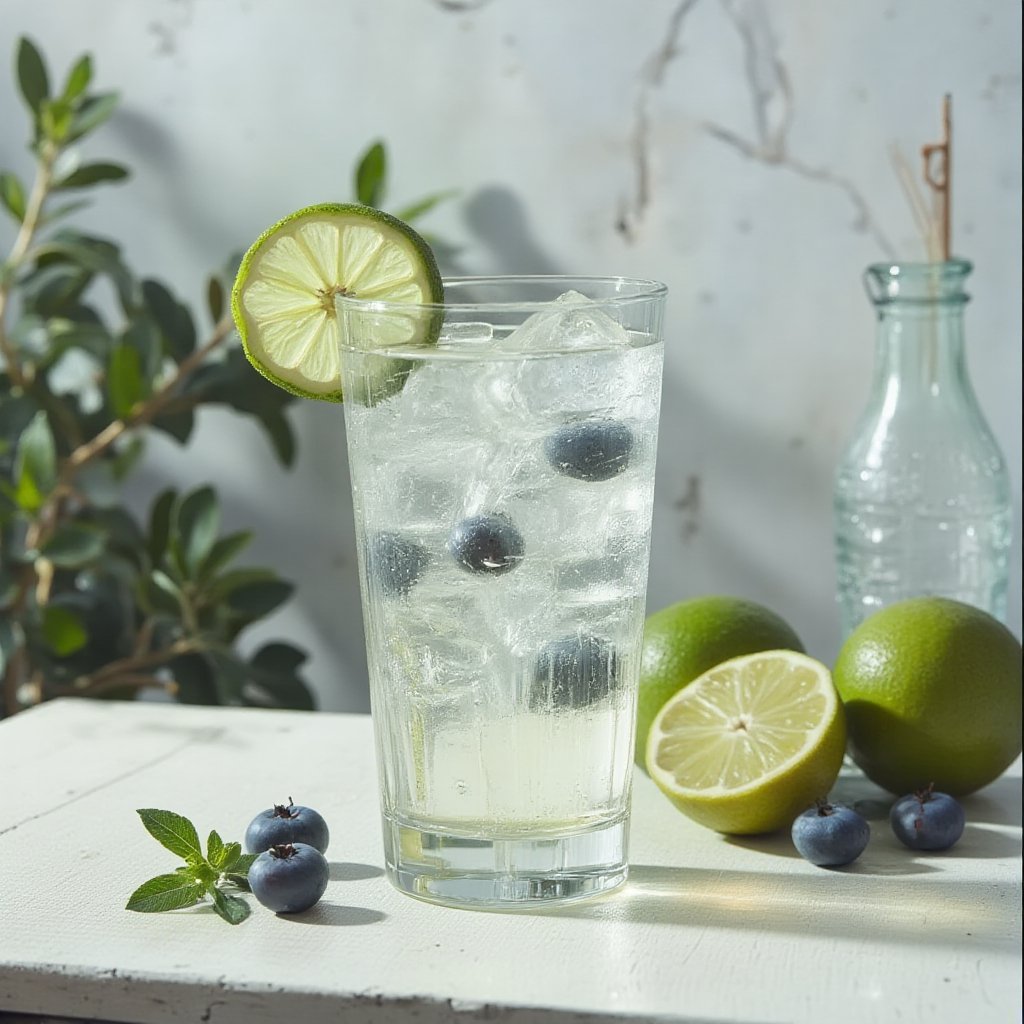
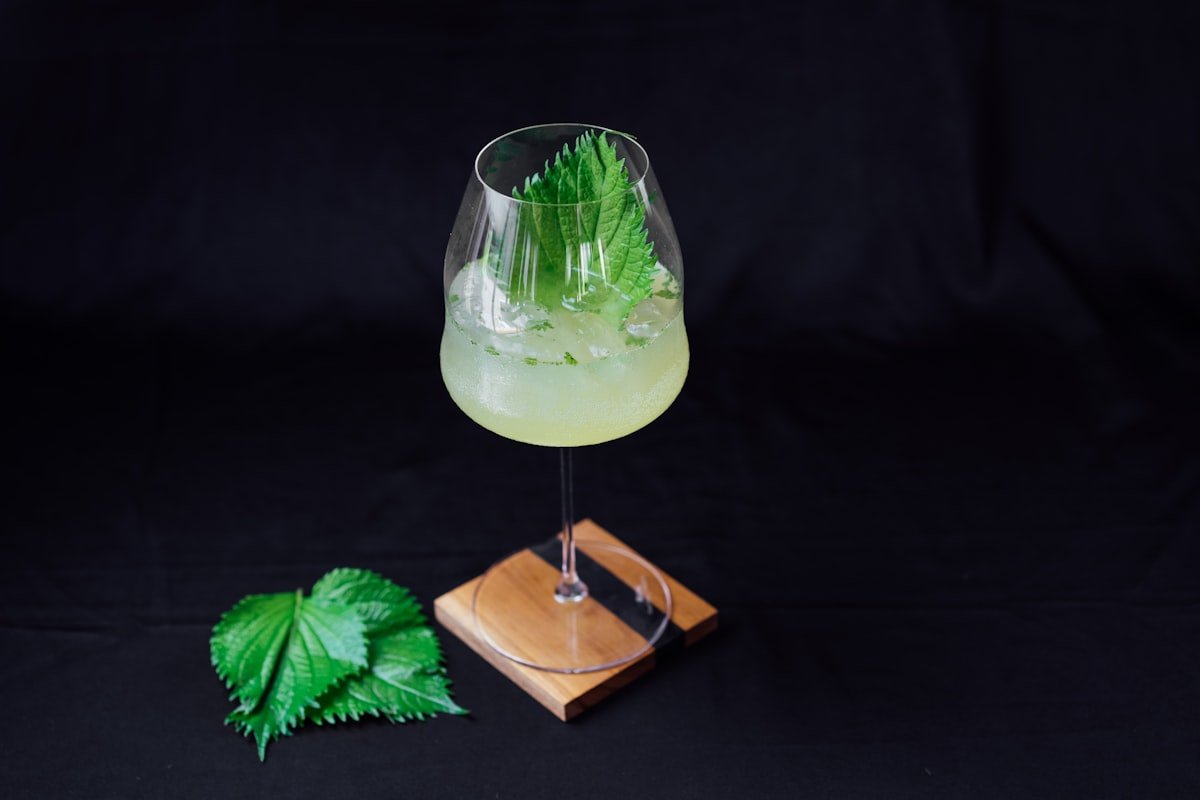
A proper non-alcoholic mojito uses six ingredients: fresh mint leaves, lime juice, granulated sugar, non-alcoholic white rum, club soda, and ice. You muddle the mint with the sugar, add your lime juice and rum alternative, fill the glass with ice, then top everything with club soda and give it a quick stir. From start to first sip, you’re looking at about two minutes.
What makes this recipe work so well without alcohol is the balance between sweet, sour, and herbal. The sugar and lime handle the sweet-sour axis, and the mint adds an aromatic layer that fills in the gaps where you might otherwise notice something missing. A decent non-alcoholic rum rounds things out with a touch of vanilla and warmth, but even without it, you’d still have a pretty good drink.
Why mojitos work so well alcohol-free
Most cocktails rely on the spirit as a structural element. Take the bourbon out of an Old Fashioned and you’re left with bitters and sugar water. Take the gin out of a martini and you have, well, nothing. The mojito is different. Its character comes from fresh ingredients that don’t depend on alcohol for extraction or flavor delivery. The muddling releases mint oils directly into the drink. The lime juice provides acidity on its own. Club soda gives you texture and fizz. The spirit is more of a supporting player than a lead.
This is why mocktail recipes for mojito variations tend to taste closer to their alcoholic originals than almost any other category of non-alcoholic cocktail. You’re not trying to replicate a spirit-forward drink with an imperfect substitute. You’re making a drink where the substitute only needs to fill a small role.
How to muddle mint (without ruining it)
Muddling is the one technique that separates a good mojito from a bitter, murky one. The goal is to press the mint leaves just enough to bruise them and release their aromatic oils. Three or four firm presses with a muddler or the back of a wooden spoon is all you need.
The most common mistake is treating the muddler like a mortar and pestle. If you shred the leaves or grind them into a paste, you’ll extract chlorophyll and bitter compounds that make the drink taste grassy and sharp. You want the oils, not the plant fiber. Press gently, twist slightly, and stop as soon as you can smell the mint coming up from the glass.
The sugar helps here, too. Those granules act as a mild abrasive against the mint leaves, helping to break open the surface cells where the essential oils live. If you prefer simple syrup over granulated sugar, muddle the mint on its own first, then add your syrup after. It works fine either way. The mint julep uses the same principle with bourbon instead of rum, and the muddling technique is identical.
The strawberry mojito and other fruit riffs
Once you have the basic mojito down, fruit variations are a natural next step. The strawberry mojito adds fresh hulled strawberries to the muddle along with the mint and sugar, creating a naturally pink drink with a berry sweetness that complements the lime without overwhelming it. It’s a crowd-pleaser that looks impressive in the glass but takes no more effort than the original.
Mango mojitos follow the same template. Swap the strawberries for ripe mango chunks and muddle them with the mint. Mango has enough natural sugar that you can pull back on the added sweetener. The tropical flavor pairs well with non-alcoholic rum, and the combination feels like something you’d order at a beach bar. Watermelon mojitos work best when you blend the watermelon first and strain out any pulp, then use the juice as a base for the rest of the drink. Watermelon is more watery than mango or strawberry, so the texture stays light and the color is a pale, summery pink.
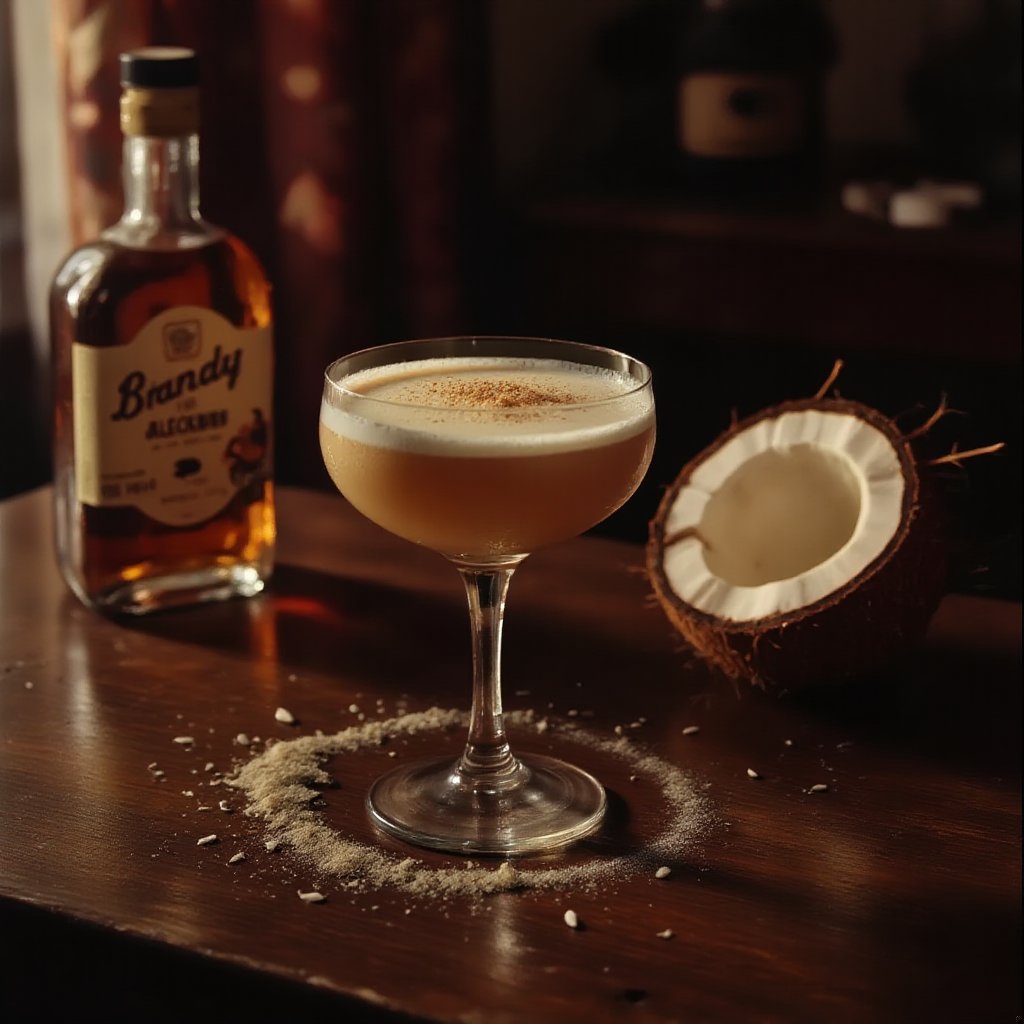
Coconut mojitos take a slightly different approach. Instead of muddling a fruit, you replace the club soda with coconut water or add a splash of coconut cream before topping with soda. The coconut adds richness and a subtle nuttiness that changes the drink’s personality from bright and citrusy to something more mellow and tropical. Try it with a squeeze of pineapple juice for an even more island-forward flavor.
Choosing a rum substitute
You can make a perfectly good mojito with no rum substitute at all. Lime, mint, sugar, and soda is a complete drink on its own. But a non-alcoholic rum adds a layer of depth, usually some combination of vanilla, caramel, and light spice, that gives the mocktail a more cocktail-like feel.
Lyre’s White Rum is a clean option that blends in without dominating, which is exactly what you want in a mojito. Ritual Zero Proof Rum has a bit more warmth and body if you prefer something with more presence. You can browse the full range of options on the non-alcoholic rum substitutes page to find one that fits your taste. The important thing is that the rum alternative stays in the background. If it’s fighting with the mint and lime for attention, try using less of it or switching to a milder bottle.
Batch mojitos for summer entertaining
Making mojitos one at a time works fine for a quiet evening, but if you’re hosting people, batch preparation saves you from spending the whole party behind a muddler. The trick is to prepare everything except the club soda in advance.
Muddle your mint and sugar in a large pitcher, then add lime juice and non-alcoholic rum. You can do this a few hours ahead and refrigerate the whole thing. When guests arrive, fill glasses with ice, pour the base mixture about two-thirds full, and top each glass with club soda. The soda needs to be added at the last minute so it stays fizzy. If you add it to the pitcher ahead of time, you’ll end up with flat mojitos, which is nobody’s idea of a good time.
For a party of eight, multiply the single-serving recipe by ten (a couple of extra servings account for refills and spillage). A strawberry daiquiri batch alongside the mojito pitcher gives guests two options and covers both the mint-loving and fruit-loving camps without doubling your prep work.