The Moscow Mule has been one of America’s most popular cocktails since the 1940s, and its appeal comes down to a formula so simple it barely needs a recipe: spirit, ginger beer, lime, copper mug. That simplicity is also what makes it one of the easiest cocktails to adapt without alcohol. The ginger beer and lime already provide most of the flavor, texture, and personality. The spirit is almost a background player, which means a non-alcoholic version tastes remarkably close to the original.
A brief history of the Moscow Mule
The Moscow Mule was born in 1941 out of a business problem, not a bartender’s creative ambition. John G. Martin had recently acquired the rights to sell Smirnoff vodka in the United States, but Americans at the time wanted whiskey and gin. Meanwhile, Jack Morgan, who owned the Cock ‘n’ Bull restaurant on Hollywood’s Sunset Strip, was sitting on a surplus of his house-brand ginger beer that nobody was ordering. A third person in the mix, Rudolph Kunett, had been struggling to move copper mugs. The three of them combined their unsold inventory into a single drink, and the Moscow Mule was born. It was one of the most successful marketing accidents in cocktail history, and it almost singlehandedly introduced vodka to American drinkers.
The name was mostly theater. “Moscow” gestured at vodka’s Russian origins, and “Mule” referred to the ginger beer’s kick. The copper mug became the drink’s signature and turned out to be more than decoration.
Why the copper mug actually matters
Copper is an excellent thermal conductor. When you fill a copper mug with ice and a cold drink, the metal chills rapidly and stays cold to the touch. That frost on the outside of the mug is part of the experience, and it keeps the drink colder than glass would for a longer stretch. You notice it with every sip because your lips touch cold metal rather than room-temperature glass.
Copper also changes the flavor slightly. The metal reacts with the lime’s acidity in a way that gives the drink a subtle metallic tang that’s become part of its identity. It is not a dramatic difference, but side-by-side with the same drink in a glass, most people notice something is missing from the glass version. If you don’t have copper mugs, the drink still tastes good in a highball or rocks glass, but picking up a set of copper mugs is worth it if you make mules with any regularity.
The classic non-alcoholic Moscow Mule
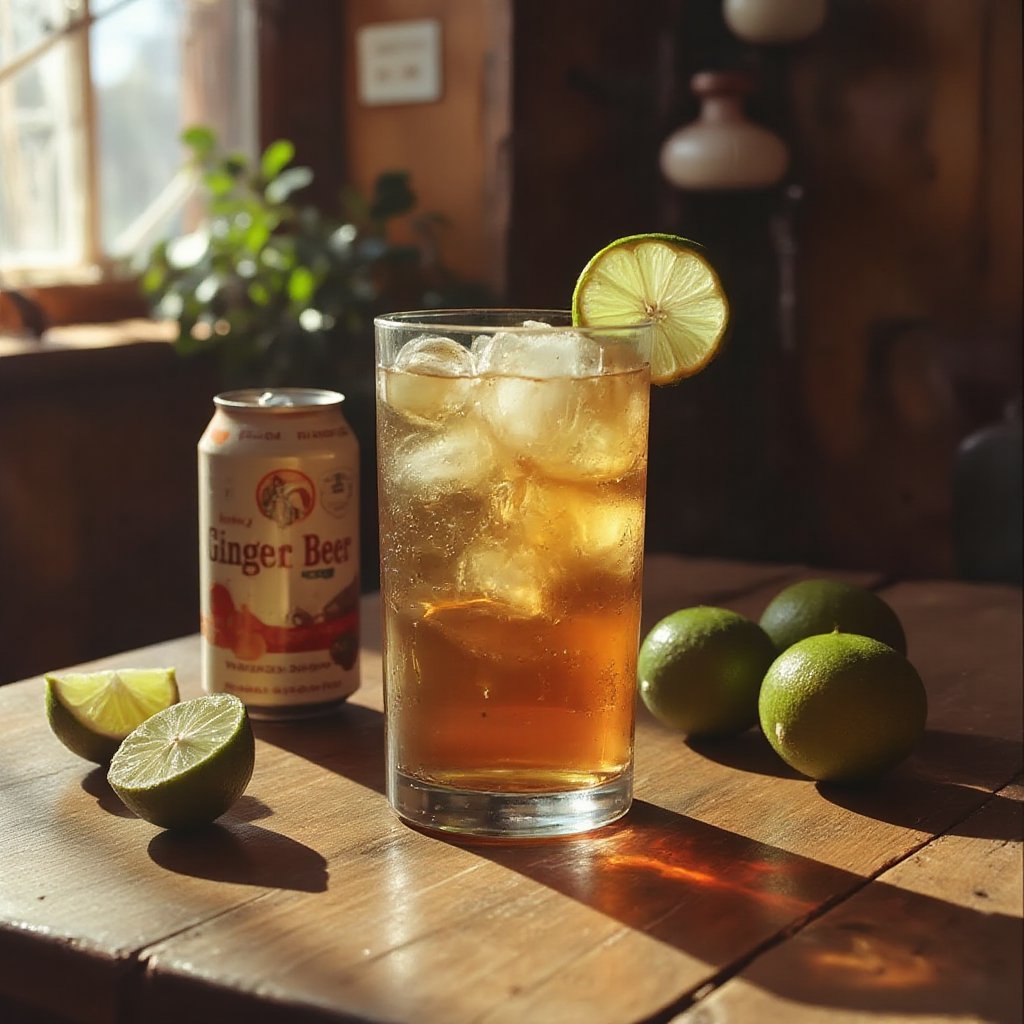
The recipe is straightforward. Combine two ounces of non-alcoholic vodka with four ounces of quality ginger beer and the juice of half a lime in a copper mug filled with ice. Stir once, gently, and garnish with a lime wedge. That’s it. The whole thing takes about ninety seconds from start to first sip.
The non-alcoholic vodka is the least critical ingredient here. In a traditional Moscow Mule, vodka’s job is to add strength and a slight burn without contributing much flavor. A decent NA vodka fills that role well enough, adding a bit of body and a faint warmth that makes the drink feel more composed. But honestly, you could skip the NA vodka entirely and still have a satisfying drink. The ginger beer and lime are doing the real work.
Choosing the right ginger beer
This is where the drink is won or lost. Ginger beer varies enormously from brand to brand, and the one you choose will define your Mule more than any other ingredient.
Spicy ginger beers like Fever-Tree, Q Mixers, and Reed’s Extra Ginger Beer are made with real ginger root and have a noticeable burn at the back of your throat. They make Mules that feel assertive and grown-up, with a lingering warmth that mimics the bite of alcohol. Milder options like Bundaberg are sweeter and smoother, with less heat and more of a rounded ginger flavor. They make a more approachable drink, but one that can lean a little too close to soda territory.
For a non-alcoholic Mule in particular, go with the spicier option. Since you’re already missing the burn that vodka would normally contribute, a ginger beer with real kick fills that gap. The spice gives your palate something to pay attention to, and it keeps the drink from tasting like a fancy limeade. Our ginger mocktails roundup goes deeper on the differences between ginger beer, ginger ale, and fresh ginger if you want to explore further.
The mule formula and why it works with every spirit
Here is the thing that makes the Mule family so useful: the formula is endlessly adaptable. Replace the vodka with any other spirit and you have a new cocktail that works just as well, because the ginger beer and lime do the heavy lifting every time. The spirit’s job is to add a distinct flavor accent on top of that reliable base.
This is true for alcoholic Mules, and it is equally true for non-alcoholic ones. Every spirit substitute you try will give your Mule a different personality, but the underlying drink will always be balanced and satisfying. That makes the Mule format one of the best starting points for anyone building out a non-alcoholic cocktail repertoire.
The bourbon mule
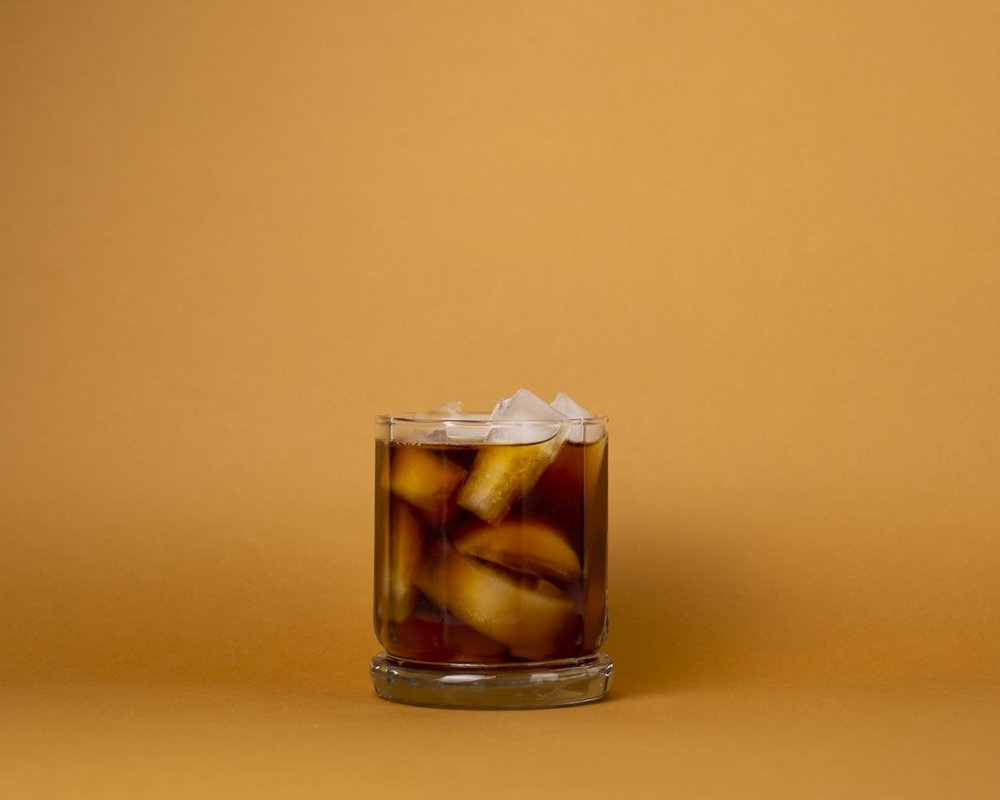
The Kentucky Mule replaces vodka with non-alcoholic bourbon, and the difference is immediately apparent. Where the Moscow Mule is clean and bright, the Kentucky version has a warmth and richness that vodka never provides. The bourbon alternative brings notes of caramel, vanilla, and baking spice that amplify the ginger rather than sitting alongside it. Seedlip Spice 94 works particularly well here because its allspice and cardamom play directly into the ginger beer’s flavor profile. This is the Mule variation to try if you want something with more depth and complexity.
The mezcal mule
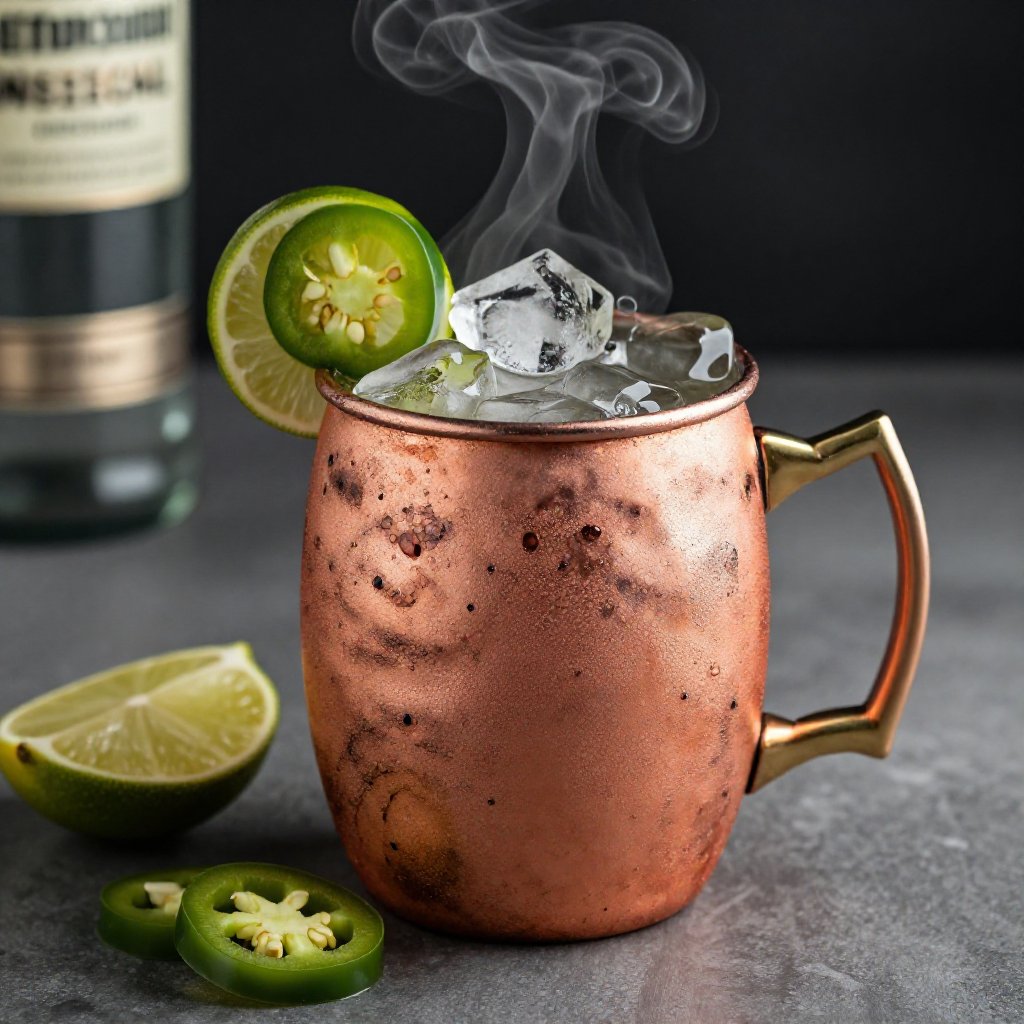
The Mezcal Mule goes in a completely different direction. Non-alcoholic mezcal brings smoke into the equation, and that smoky character against the ginger beer’s spice creates something unexpected and compelling. The lime cuts through both the smoke and the ginger, keeping everything balanced. A thin slice of jalapeno as a garnish adds slow-building heat that layers onto the ginger’s bite, pushing the drink into territory that feels almost savory. This is the most interesting Mule variation on this list, and the one most likely to surprise someone who thinks they know what a Mule tastes like.
The holiday cranberry mule
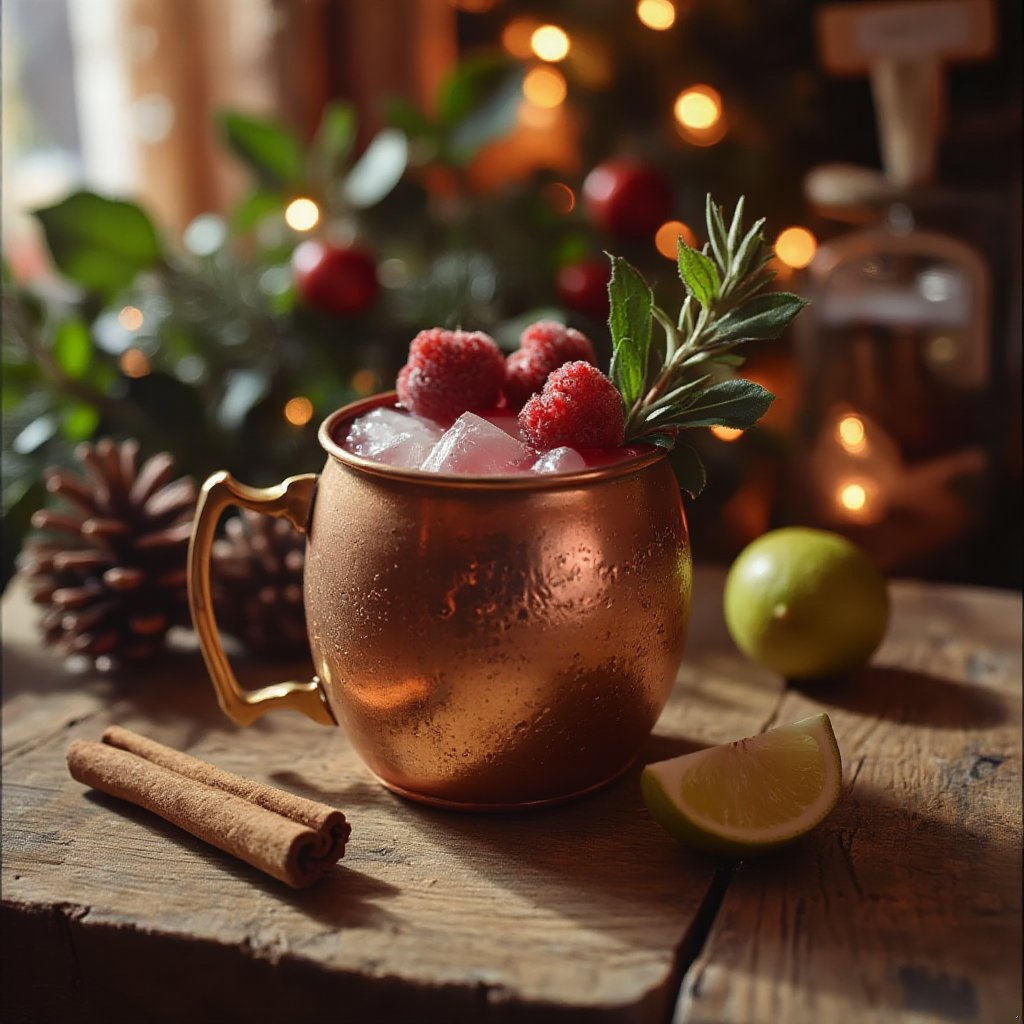
The Holiday Cranberry Mule takes the basic formula and dresses it up for winter. Cranberry juice adds tartness and a deep ruby color, while cinnamon syrup brings warm spice that makes the drink feel seasonal without being cloying. A sprig of fresh rosemary and sugared cranberries as garnish turn it into something that looks as festive as it tastes. This variation is particularly good for holiday entertaining because it’s visually striking, easy to batch, and the cranberry-ginger combination is crowd-friendly in a way that more adventurous flavors sometimes aren’t.
The spiced apple chai mule
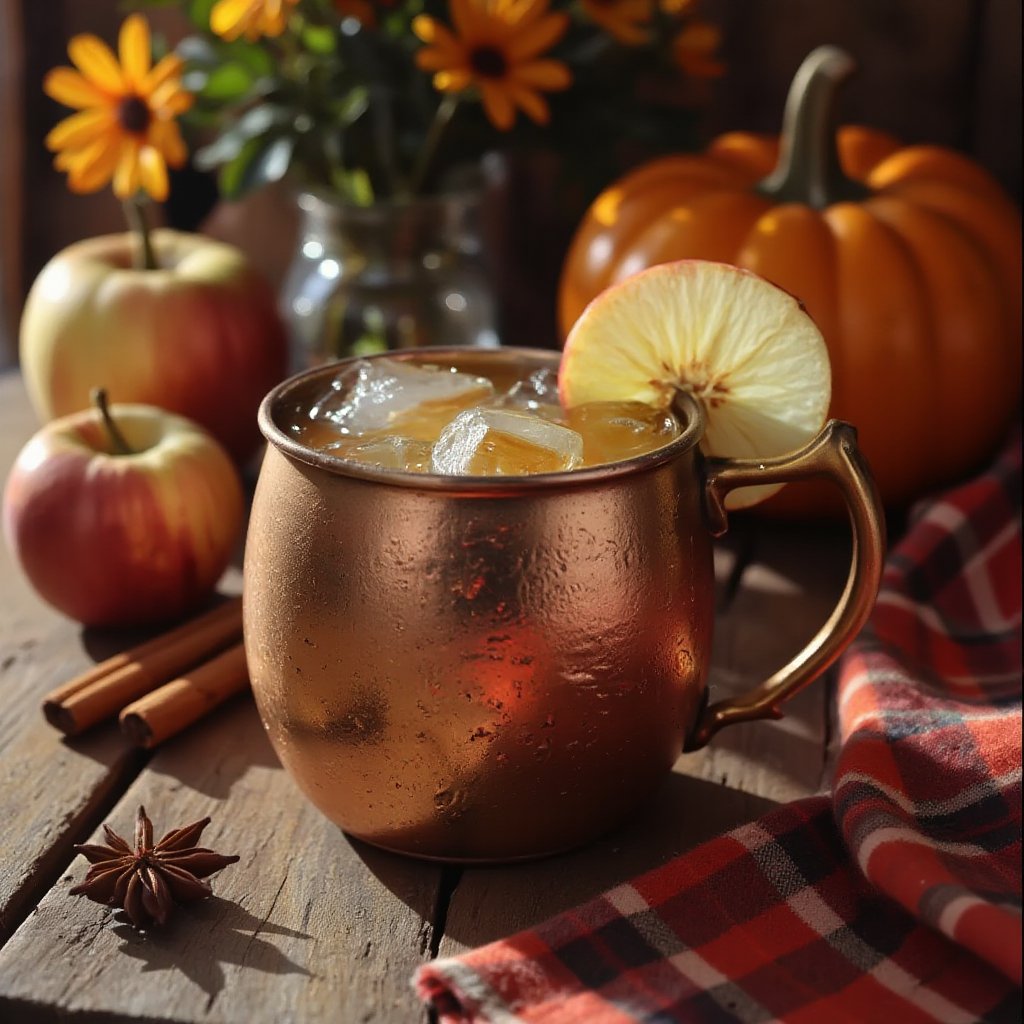
The Spiced Apple Chai Mule is the most complex variation here, combining apple cider, unsweetened chai concentrate, non-alcoholic dark rum, lime, and ginger beer. The chai and apple cider share overlapping spice notes (cinnamon, cardamom, clove) that amplify each other, while the rum alternative adds molasses-like depth. It sounds like a lot of ingredients, but they all pull in the same direction, and the result tastes like the best parts of fall in a copper mug. Star anise and a thin apple slice make the garnish.
The spirit-free ginger beer mocktail
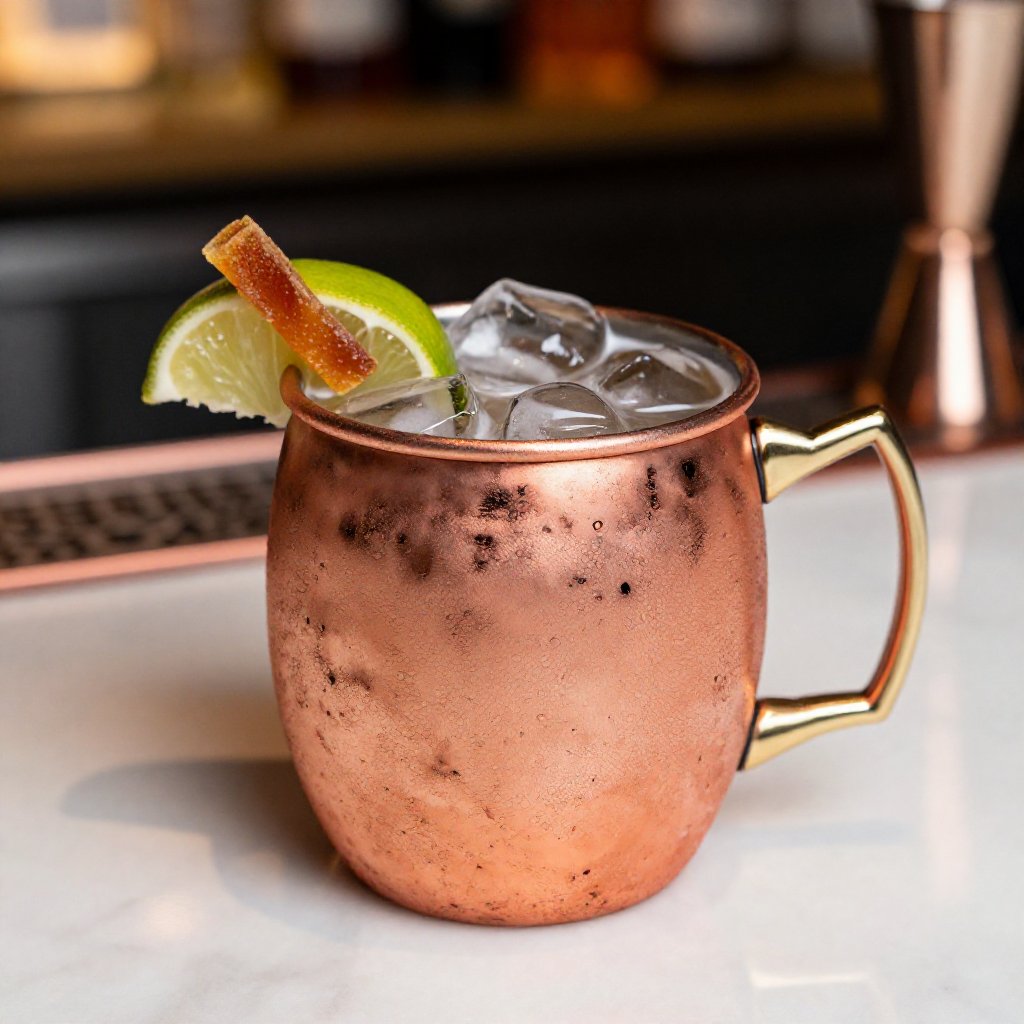
If you want to skip the spirit substitute entirely, the Ginger Beer Mocktail proves that ginger beer can carry a drink all by itself. This recipe pairs ginger beer with fresh lime juice and honey syrup, with optional Angostura bitters for a touch of complexity. It is the simplest drink on this list and one of the most satisfying. The honey syrup adds a floral sweetness that plain sugar can’t match, and it rounds out the ginger’s heat in a way that feels intentional rather than like something is missing.
Building your own mule variation
The pattern should be clear by now: two ounces of spirit (or skip it), four ounces of ginger beer, fresh lime juice, ice, copper mug. Once you internalize that template, you can improvise freely. Try a gin Mule with a few slices of cucumber. Add pomegranate juice for color and tartness. Muddle fresh herbs like basil or rosemary before adding the ice. Swap the lime for grapefruit or blood orange. The ginger beer will anchor whatever you put alongside it, and the lime (or other citrus) keeps the sweetness in check.
The Mule is one of the most forgiving cocktail formats out there, and it is even more forgiving without alcohol, because you’re not trying to balance a strong spirit against your other ingredients. You’re building around ginger beer and citrus, which are already a complete flavor system on their own. Everything else is just personality.