Pomegranate is one of the best fruit flavors you can reach for when mixing non-alcoholic drinks. It’s tart, slightly tannic, and carries a depth that most juices just don’t have. Where orange juice or cranberry leans sweet or sour in a single direction, pomegranate brings a layered quality that gives a mocktail real structure. It also turns every glass a deep garnet red that makes even a simple two-ingredient build look like something from a cocktail menu. If you’re looking for a fruit that can carry a drink on its own, pomegranate belongs at the top of the list.
The recipes below cover a range of approaches, from a straightforward pomegranate and vodka build to a warm-spiced smash with bourbon character, a sparkling punch that serves a crowd, and two classic drinks where grenadine (pomegranate’s syrup form) plays a key supporting role.
Pomegranate juice vs. grenadine
Before getting into the recipes, it helps to understand how pomegranate shows up in cocktails. You’ll see it in two forms: juice and grenadine.
Pomegranate juice is the raw ingredient, unsweetened and deeply tart. POM Wonderful is the most widely available 100% pomegranate juice, and it works well in any of these recipes. Look for bottles that list pomegranate as the only ingredient. Some brands blend it with apple or grape juice, which dulls the flavor and lightens the color. If you want the real thing, read the label.
Grenadine is traditionally a syrup made from pomegranate juice and sugar, though many commercial versions replaced the pomegranate with corn syrup and red dye years ago. The good stuff, like Liber & Co. or Small Hand Foods, is made with actual pomegranate and tastes like concentrated tart fruit instead of artificial candy. If you use grenadine in any recipe here, go for a real pomegranate-based version. The flavor difference is enormous.
Juice works best as a primary ingredient, the way you’d use cranberry or orange juice. Grenadine works as an accent, adding sweetness, color, and pomegranate flavor in small amounts. Several classic cocktails rely on grenadine for exactly that purpose.
Buying pomegranate juice
POM Wonderful is the standard, and for good reason. It’s consistent, widely available, and the flavor is reliably tart and full. You can find it at most grocery stores. If you have access to a Middle Eastern or Persian grocery, you may find pomegranate molasses or concentrated pomegranate syrup, which can be diluted and used in drinks for a more intense flavor.
Fresh pomegranates are in season roughly from October through January. Juicing them at home takes effort (cut in half, press with a citrus juicer or use the whack-a-bowl-with-a-wooden-spoon method), but the result is noticeably brighter and more complex than bottled juice. For most mixing purposes, though, bottled 100% pomegranate juice does the job perfectly well.
Pomegranate Mocktail
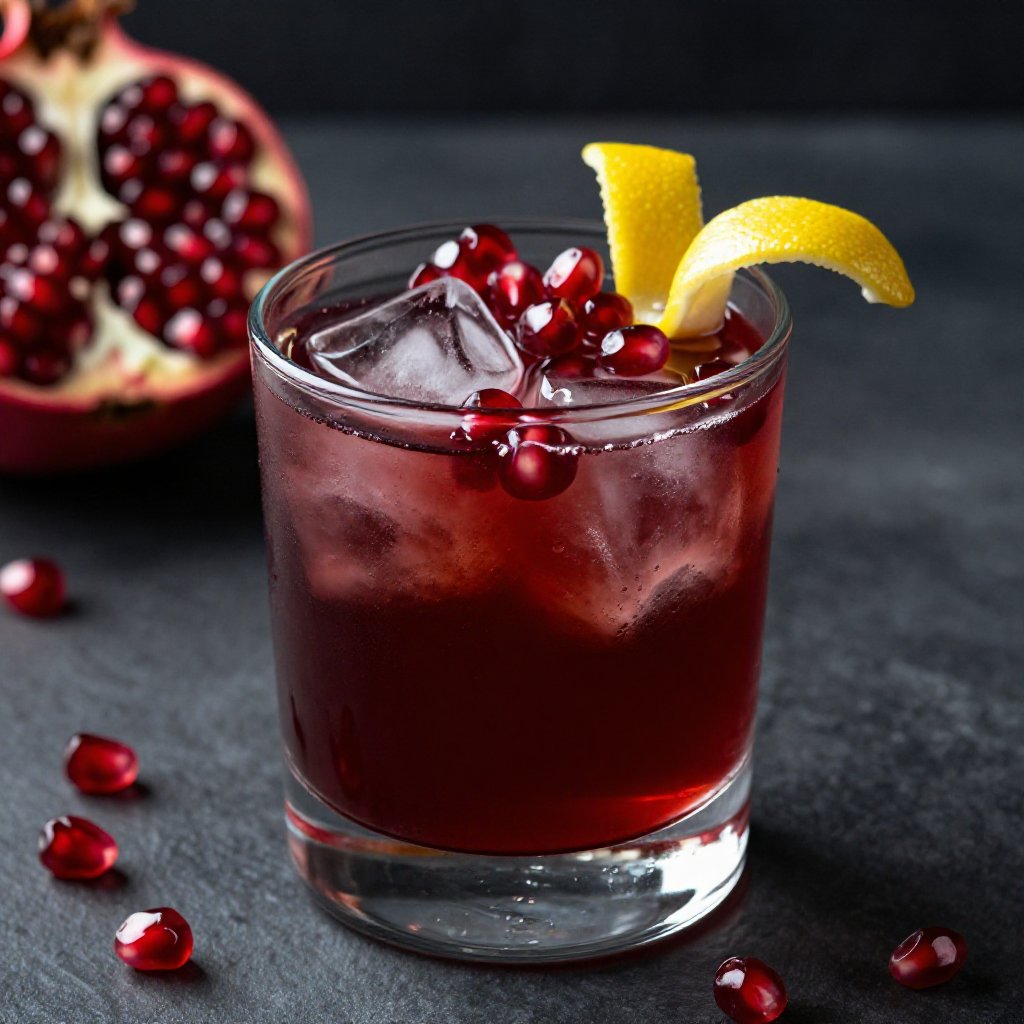
This is the most straightforward pomegranate drink on the list, and sometimes straightforward is exactly right. Non-alcoholic vodka, pomegranate juice, fresh lemon juice, and a splash of sparkling water come together in a rocks glass over ice. The vodka alternative adds a clean, neutral body without competing with the pomegranate, and the lemon juice brightens the tartness so the drink doesn’t feel heavy. A spoonful of pomegranate seeds dropped into the glass gives you little bursts of fresh fruit as you sip. It’s the kind of recipe you can memorize after making it once, and it works year-round.
Cinnamon Pomegranate Smash
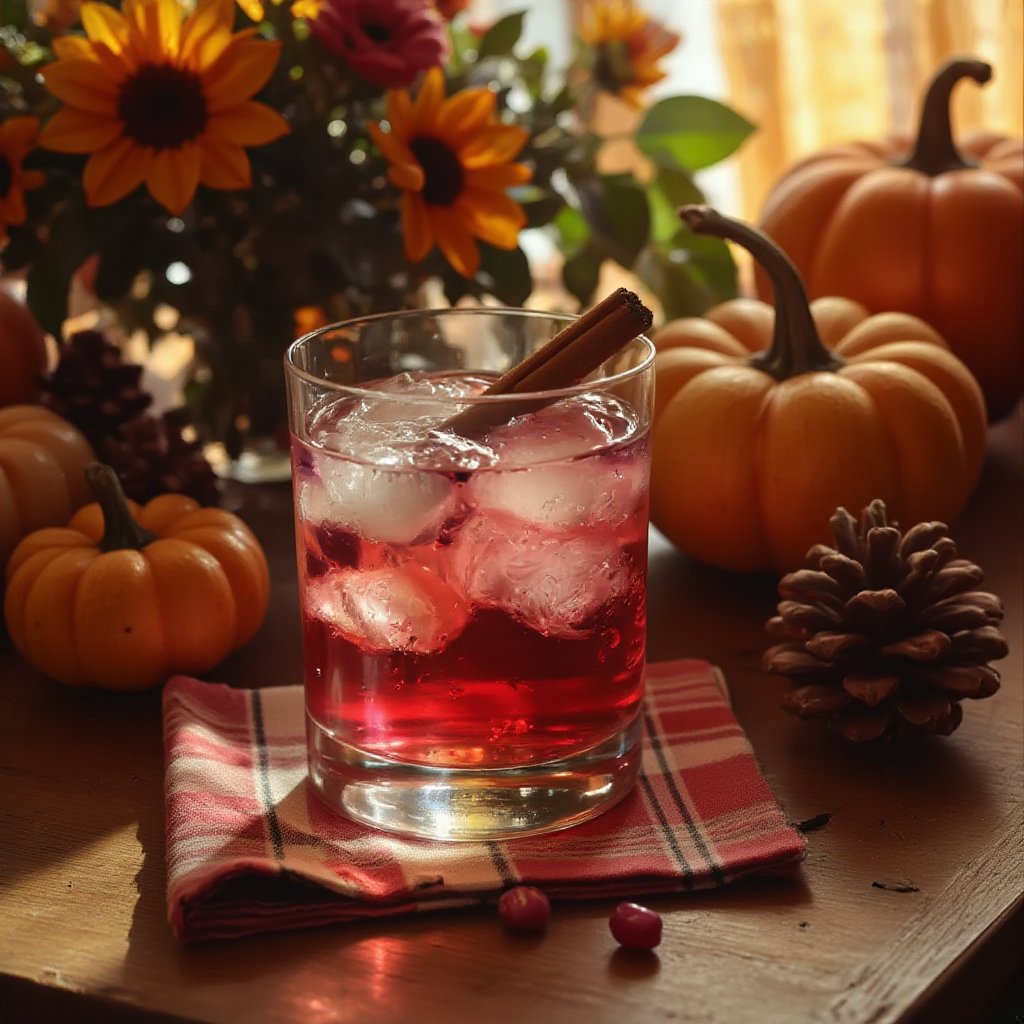
Pomegranate and warm spices are a natural pairing, and this recipe leans all the way in. Non-alcoholic whiskey shakes with pomegranate juice and cinnamon simple syrup, gets strained over ice, and finishes with a splash of club soda. The cinnamon adds a warm, almost baked quality that rounds out the pomegranate’s tartness, and the whiskey alternative brings a toasted, oak-like depth. It reads as a fall or winter drink, and it looks the part too, with that deep ruby color in the glass and a cinnamon stick resting on top. If you enjoy how bourbon substitutes pair with fruit, this one is worth trying first.
Sparkling Pomegranate Punch
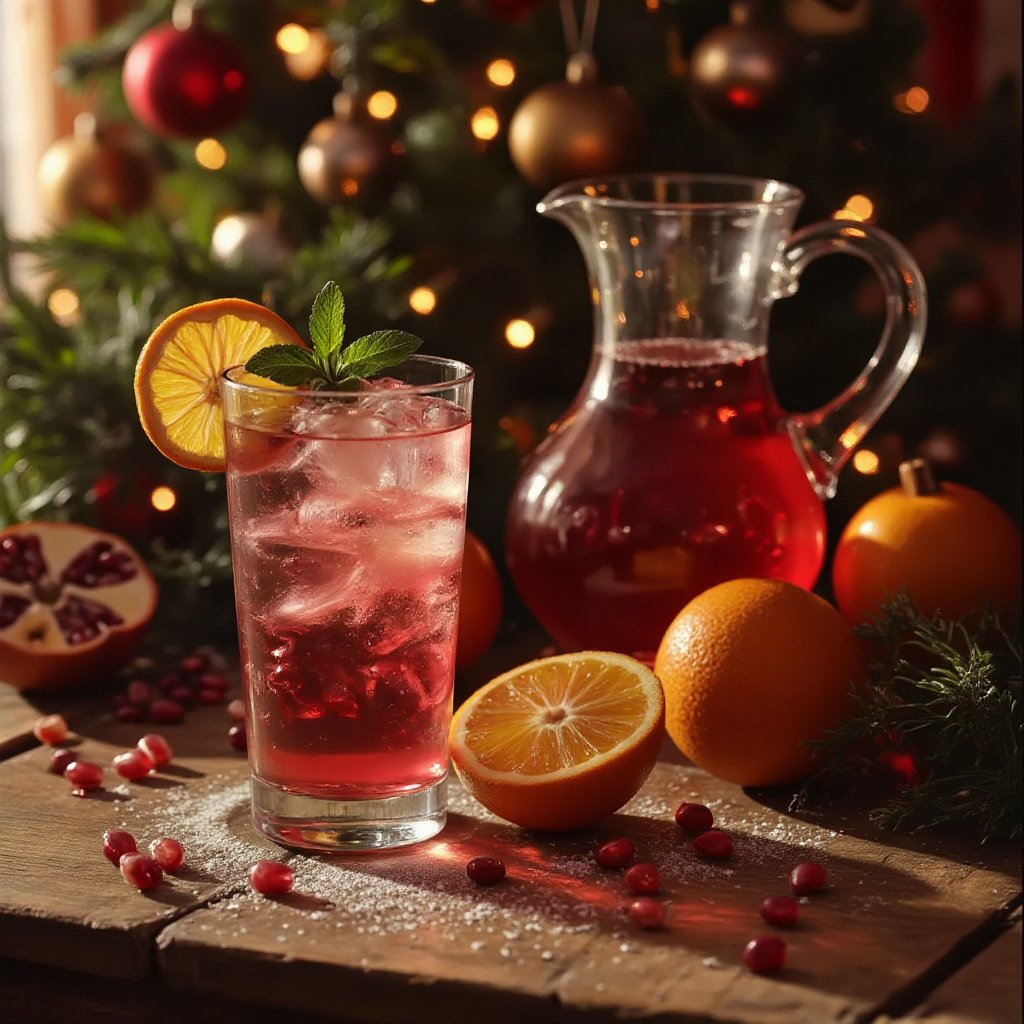
When you need to serve a group, this punch recipe scales up easily in a pitcher. Pomegranate juice and fresh orange juice form the base, with optional non-alcoholic gin adding botanical complexity. Sparkling water goes in just before serving to keep the fizz alive, and the whole thing gets studded with orange slices, pomegranate seeds, and fresh mint. The orange juice softens the pomegranate’s tartness and adds a citrus sweetness that makes the punch feel bright and approachable. It’s the kind of recipe that looks impressive on a table without requiring much effort to make.
Shirley Temple
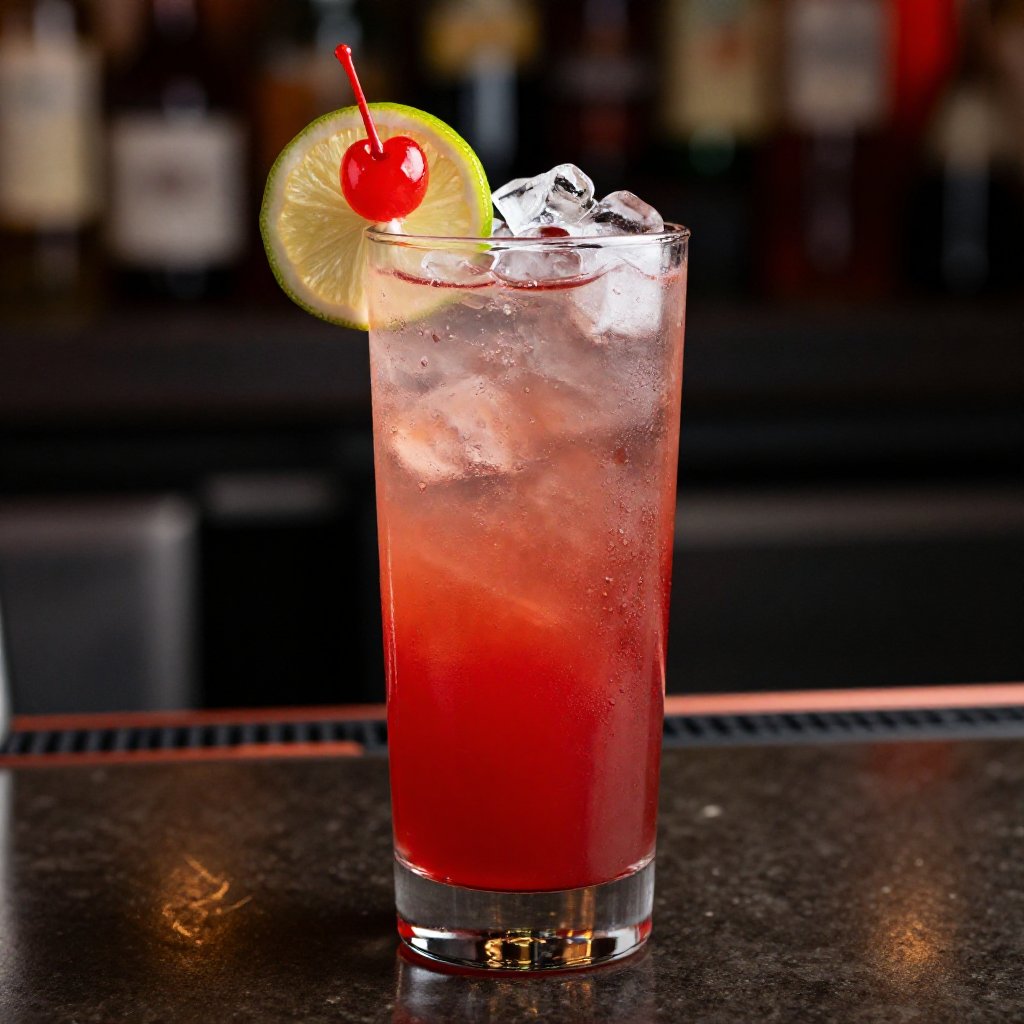
The Shirley Temple might not seem like a pomegranate drink at first glance, but grenadine is (or should be) its star ingredient, and grenadine is pomegranate syrup. When you make this classic with real pomegranate-based grenadine instead of the corn syrup version, the drink transforms. You get actual fruit flavor beneath the fizzy sweetness of the ginger ale and lemon-lime soda, and the color shifts from neon red to a more natural deep pink. It’s the most familiar mocktail in the world, and using quality grenadine is the single change that makes the biggest difference.
Tequila Sunrise
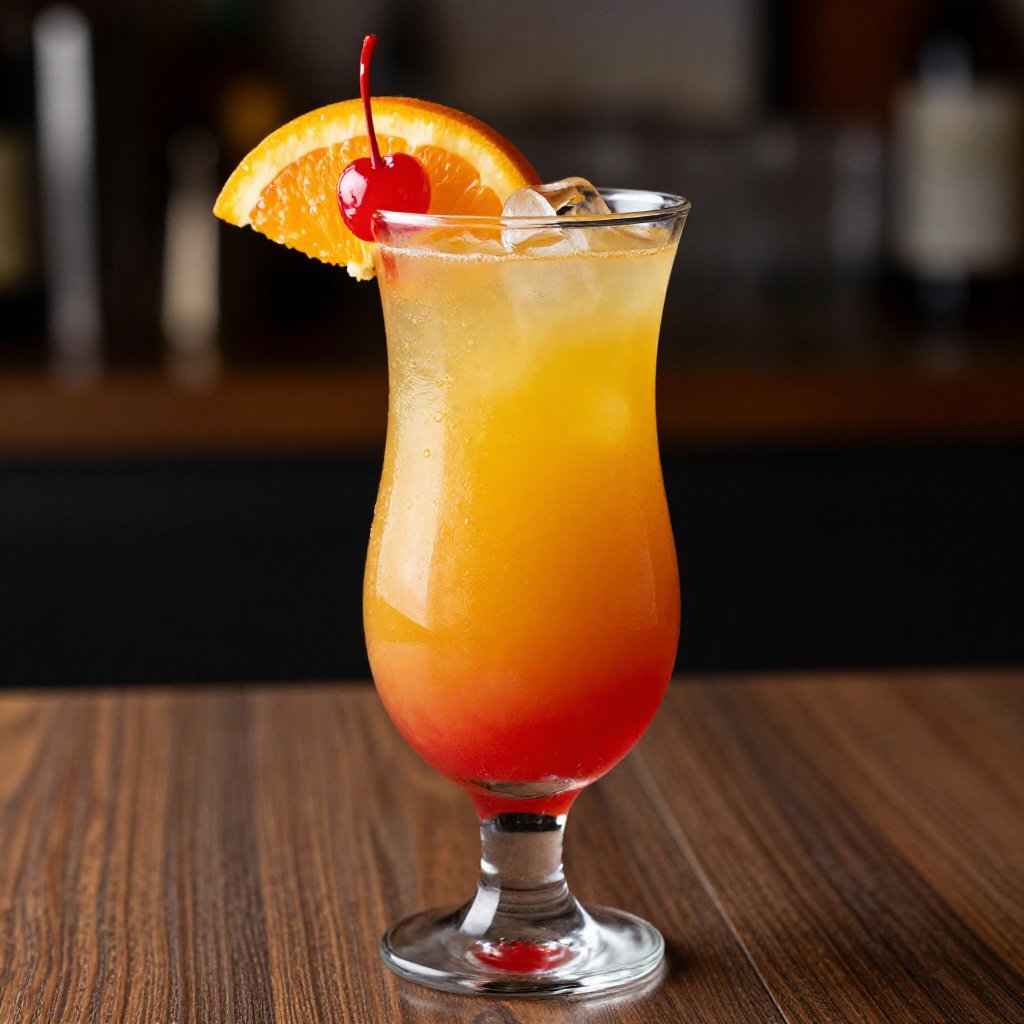
Like the Shirley Temple, the Tequila Sunrise owes its signature look to grenadine. Poured slowly down the inside of the glass, the dense pomegranate syrup sinks beneath the orange juice and non-alcoholic tequila, creating that famous gradient from deep red at the bottom to golden orange at the top. The grenadine isn’t just visual here. It adds a layer of tart sweetness that balances the bright citrus of the orange juice and the herbal, agave-forward notes of the tequila alternative. This is another recipe where real pomegranate grenadine makes a noticeable difference in both flavor and color.
How pomegranate pairs with different spirits
One reason pomegranate works so well in mocktails is its ability to pair with a wide range of non-alcoholic spirit styles. With vodka substitutes, pomegranate stays the focus because the spirit is neutral and clean. With bourbon or whiskey alternatives, the pomegranate’s tannic quality meets the spirit’s oaky warmth, creating drinks that feel layered and complex. Gin substitutes bring botanicals into the picture, and pomegranate’s tartness plays off juniper and citrus peel flavors in a way that feels balanced rather than competitive.
Pomegranate also works well in simpler drinks without any spirit at all. Mixed with sparkling water, a squeeze of lime, and a drizzle of honey, it makes a refreshing soda-style drink. Stirred into lemonade, it adds color and depth. Its versatility comes from that combination of tartness, body, and color that makes whatever surrounds it look and taste more interesting.