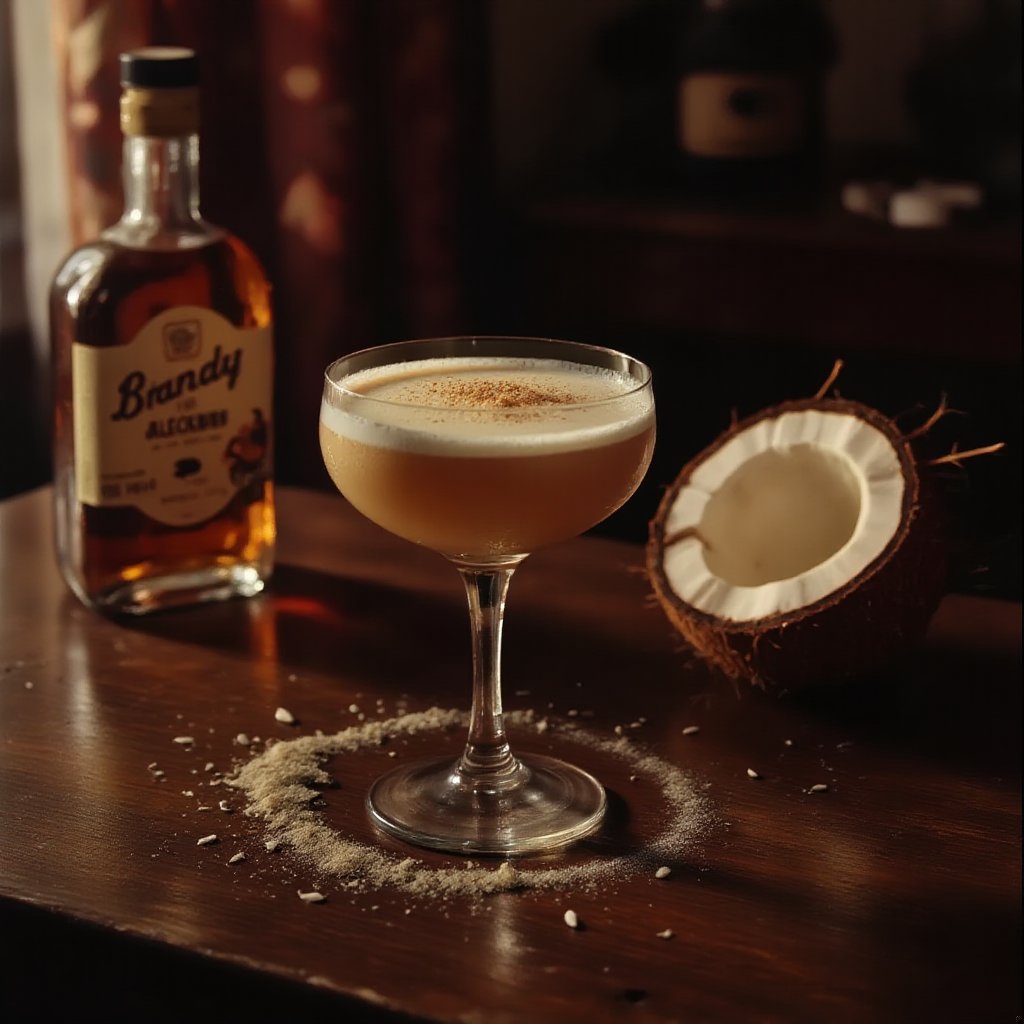
Sangria is a pitcher drink at heart. Red wine, brandy, fresh fruit, and enough time for everything to get acquainted in the fridge. The non-alcoholic version follows the same formula and produces something that looks and tastes like the real thing. It’s one of the best batch cocktails for a group because it actually improves while it sits.
The wine matters
Non-alcoholic red wine is the base, so pick one you’d drink on its own. Ariel Cabernet Sauvignon has enough body and tannin to anchor the sangria. Fre Red Blend is another option that leans fruitier. Avoid anything too thin or sweet. The brandy and fruit will add sweetness, so you want the wine component to provide structure and dryness.
Pour the wine, brandy, orange juice, and simple syrup into a pitcher first. Stir to combine, then add the fruit. The soaking time matters. Thirty minutes is the minimum, but two hours is better. The fruit releases its juices into the wine, and the brandy ties everything together into something cohesive.
Choosing your fruit
The classic combination is oranges, apples, and berries. Oranges add citrus brightness, apples add a crisp sweetness, and berries add color and a deeper fruit flavor. Cut everything into thin slices or bite-sized pieces so they release more juice and look good in the glass.
Seasonal variations work well. In summer, add peaches, nectarines, or watermelon cubes. In fall, try pears and pomegranate seeds. The drink adapts to whatever fruit is at its best, which is part of why sangria has been popular for centuries.
Serving
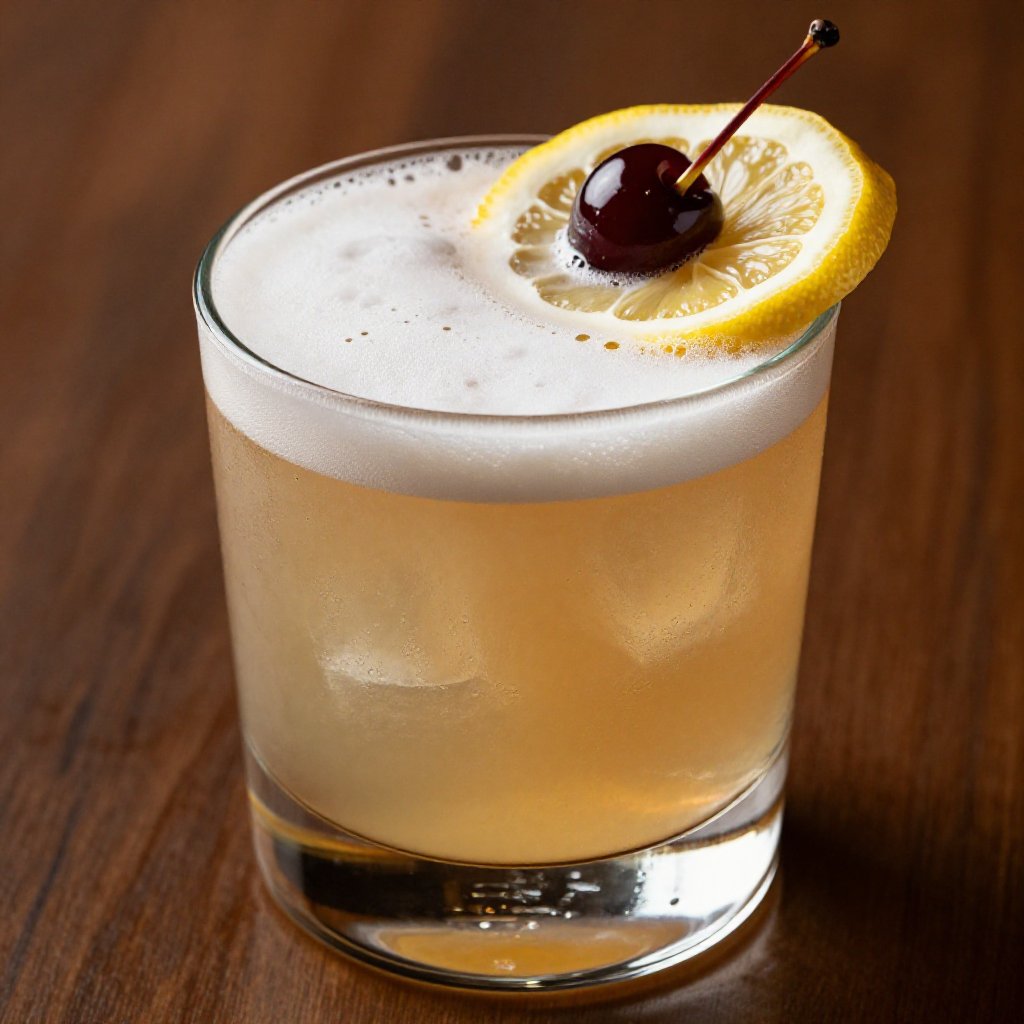
Add the sparkling water right before serving, not during the soaking time. The fizz lifts the drink and keeps it from feeling heavy. Pour over plenty of ice and make sure each glass gets some fruit. A slotted spoon or ladle helps with that. This works alongside the Brandy Sour and Brandy Alexander for a full brandy-themed spread.