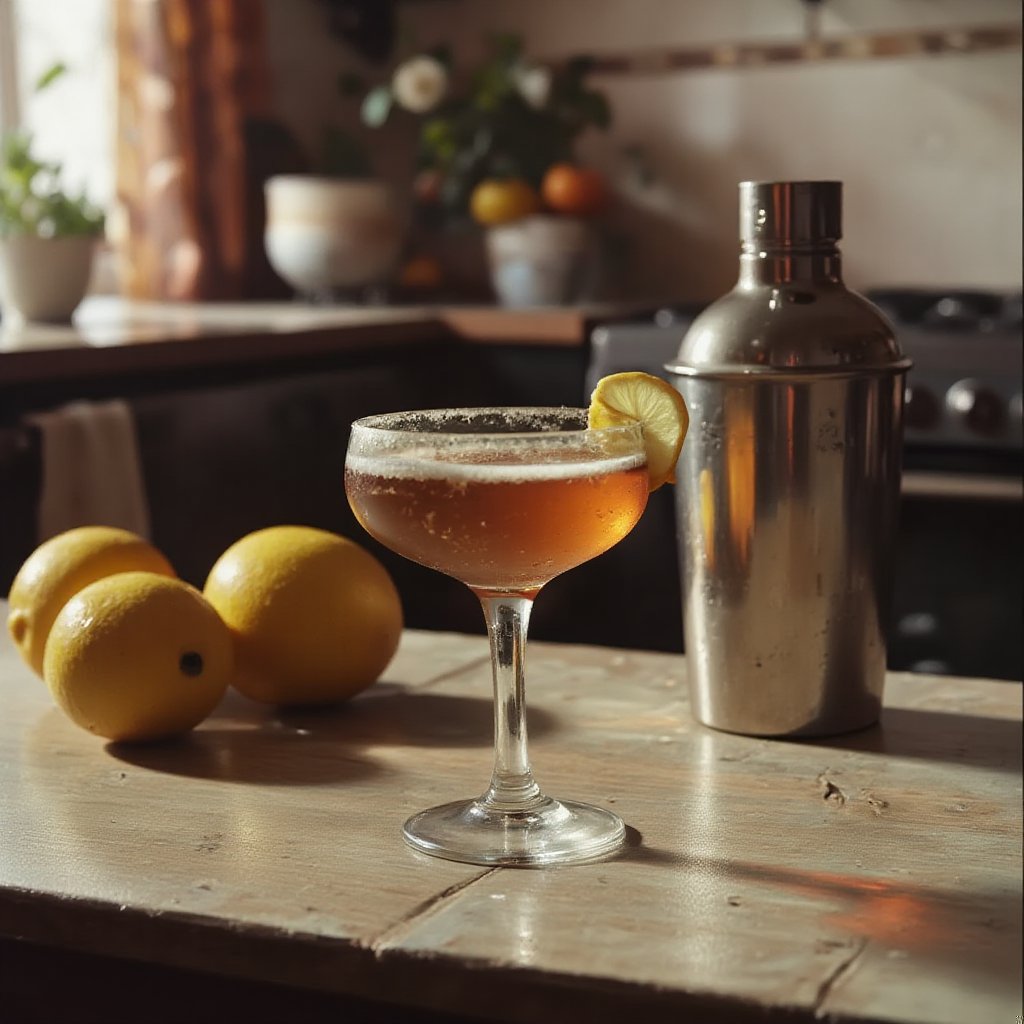
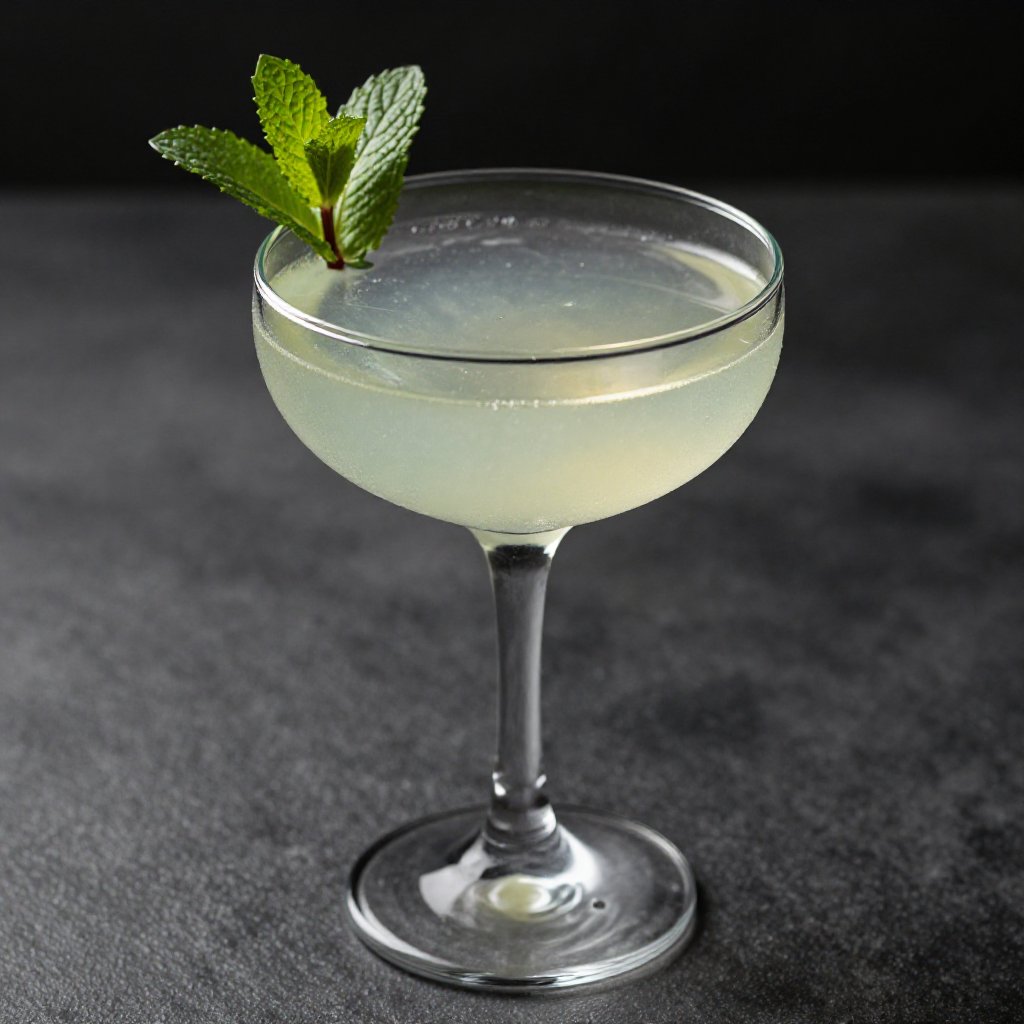
The French 75 has a reputation as a celebration drink, and it earns it. Cognac, lemon, and champagne shaken together into something that’s simultaneously bright, rich, and effervescent. Named after a French field gun from World War I, it was meant to hit hard. The non-alcoholic version keeps the sophistication and the sparkle, just without the firepower.
The cognac-champagne combination
Most people associate the French 75 with gin, and both versions are legitimate. But the cognac-based original has a depth that gin can’t match. The brandy alternative adds warmth, stone fruit, and a rounded sweetness that plays beautifully against the acidity of lemon and the dryness of sparkling wine. If you’ve only had the gin version, the cognac French 75 feels like discovering a second drink entirely.
The sparkling wine does real work here. It adds volume, fizz, and a dryness that keeps the drink from becoming a simple sour. Freixenet 0.0% is widely available and does the job well. Pour it gently after straining the shaken portion to preserve the bubbles.
Getting the proportions right
The base mixture (cognac, lemon, simple syrup) should be concentrated and punchy. The sparkling wine is what dilutes and lightens it. If you make the base too mild, the finished drink tastes like flavored soda water. Shake the base ingredients hard with plenty of ice to get them cold, then strain into the flute before topping with sparkling wine.
The lemon twist garnish adds citrus oil to the surface, which you smell with every sip. Express it over the glass by holding the peel skin-side down and giving it a firm twist, then drop it in.
When to serve it
This is a cocktail-party drink. It looks elegant in a flute, it’s easy to batch (shake the base in advance, top individually with sparkling wine), and it appeals to people who find most mocktails too sweet. For a broader spread, pair it with the Cognac Sidecar to give guests a choice between bubbly and spirit-forward.