Rum Punch is the kind of drink you make when you want something that feels tropical and festive. Pineapple juice, grenadine, fresh lime, and coconut water create a layered fruit flavor, while non-alcoholic dark rum adds the warm, molasses-like depth that keeps it from tasting like a smoothie.
How the flavors work together
Pineapple juice brings sweet, tangy tropical flavor, and grenadine adds a layer of fruity richness along with that signature pink-red color. Fresh lime juice is the balancing act, cutting through the sweetness with enough acidity to keep every sip interesting. Coconut water is the quietest ingredient, but it does important work, softening the overall intensity and adding a subtle sweetness that ties the tropical flavors together.
Tips for a better punch
Freshly squeezed lime juice and quality grenadine make a noticeable difference. Cheap grenadine is basically red sugar syrup, while better brands use real pomegranate and have actual flavor complexity. Keep your juices and coconut water cold before mixing, and use plenty of ice. This recipe scales up easily for a pitcher if you’re serving a group, just multiply everything proportionally.
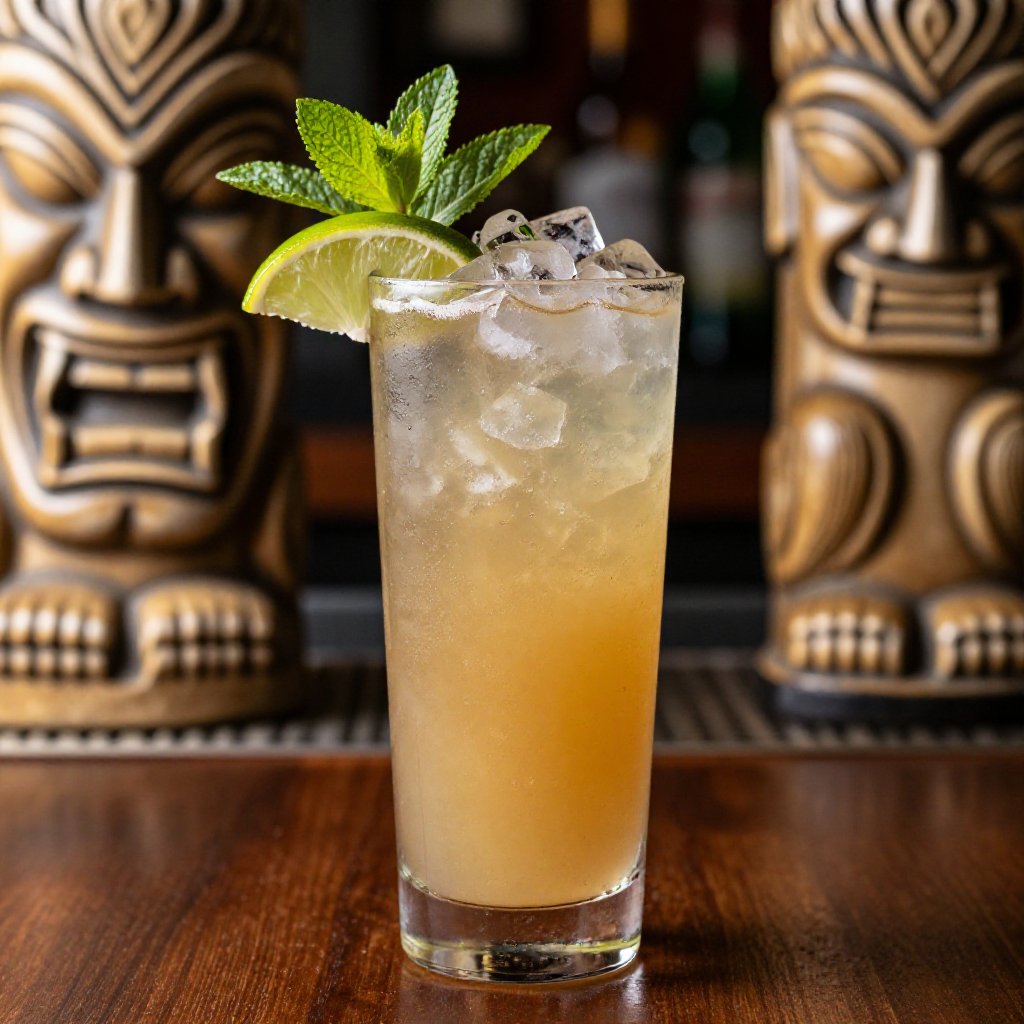
Garnish with a pineapple wedge and a cherry, or add a small mint sprig for extra freshness. This pairs well with summer barbecues, beach-themed gatherings, and brunch. If you enjoy tropical rum drinks, the Pina Colada goes all in on coconut and pineapple, while the Mai Tai takes a more complex, layered approach.