Seedlip was the first non-alcoholic spirit that bartenders actually took seriously. Founded by Ben Branson in 2015 in the English countryside, it launched the category that now includes dozens of competitors from Lyre’s to Monday to Ritual Zero Proof. Diageo acquired the brand in 2019, which tells you something about how much the industry believed in what Branson had built. But being first doesn’t automatically make it the best. Here’s what Seedlip actually tastes like, what it does well, and where it falls short.
How seedlip is made
Most non-alcoholic spirits start with alcohol and remove it, or they steep ingredients in water and blend extracts together. Seedlip takes a different path. Each botanical is individually steam-distilled, then the distillates are blended. No alcohol is produced at any stage. The result is zero calories, zero sugar, and zero artificial sweeteners. It’s essentially botanical water, which sounds like a criticism but is actually the point. Seedlip gives you complexity and aroma without adding anything else to the glass.
Garden 108
Garden 108 is the most unusual of the three varieties. The base notes are peas and hay, which sounds strange until you smell it. There’s a fresh, green quality that reminds you of an herb garden after rain, along with spearmint and rosemary. It’s light, almost delicate.
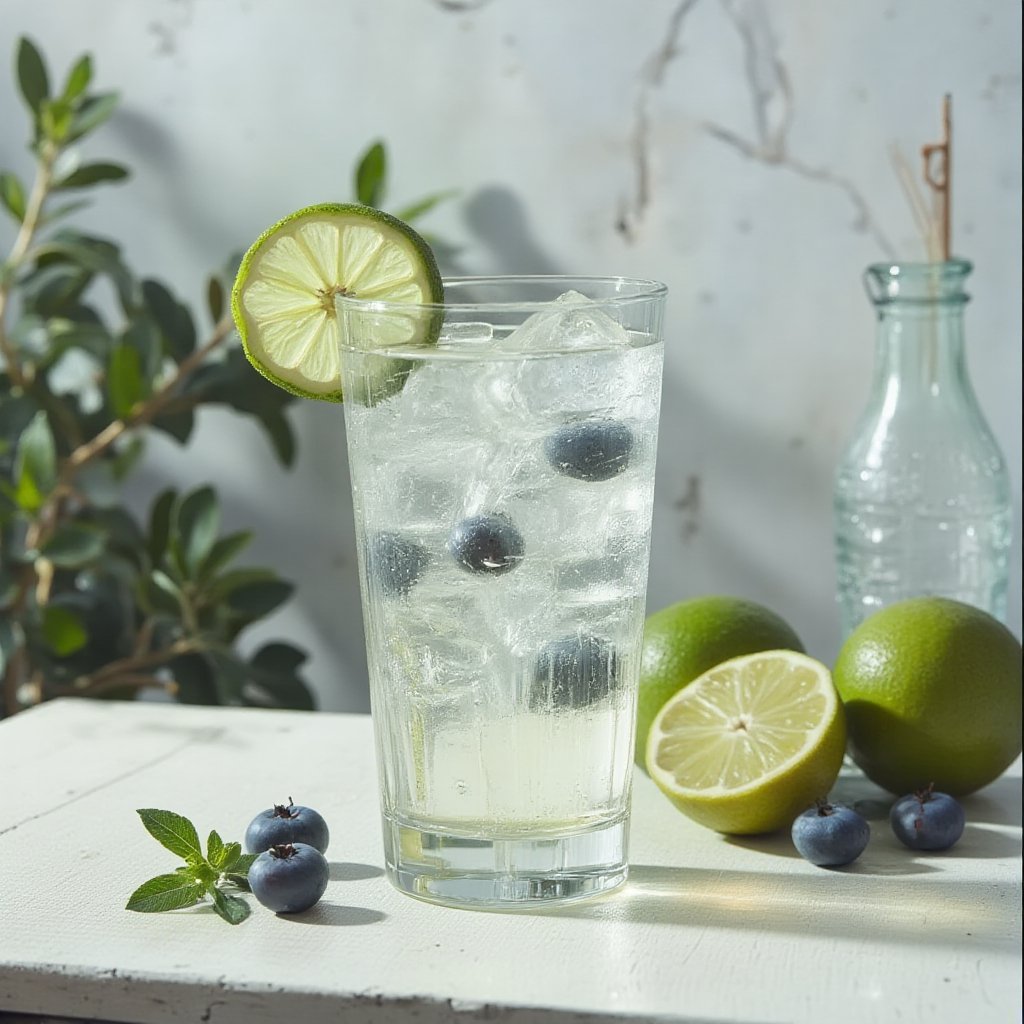
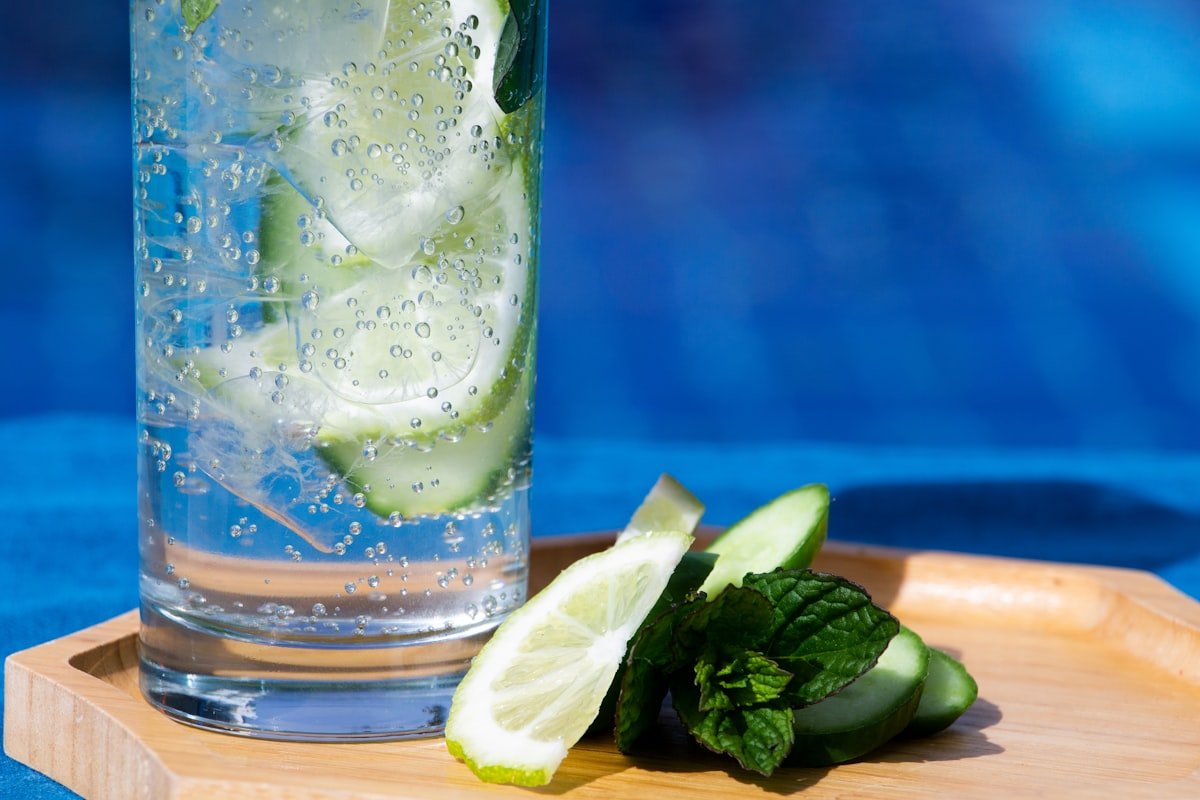
This one works best in long drinks with tonic or soda water and plenty of fresh herbs. A sprig of mint and a few slices of sugar snap peas turns a simple Garden 108 and tonic into something worth lingering over. It also does well in a gin and tonic variation where you want something softer and more herbal than a juniper-forward profile. Where it struggles is in cocktails that need a spirit to punch through other ingredients. In a classic martini, Garden 108 almost disappears. It’s too gentle to stand on its own when there’s nothing else to prop it up.
Spice 94
Spice 94 is the standout of the lineup and the one to try first. It’s built around allspice berry and cardamom, with grapefruit and oak bark in the background. The result is warm and round, with a genuine sense of depth that the other two varieties don’t quite match.
This is the bottle that converts skeptics. Mixed with ginger ale or ginger beer, it feels like a proper drink. It works in darker, spirit-forward recipes where you’d normally reach for whiskey or spiced rum. It holds up in cocktails with bitters, citrus, and simple syrup because the spice notes give your palate something to grab onto. If you’re mixing Seedlip with cola, this is the only variety that makes any sense. It’s also the most forgiving if you pour a little too much or too little; the flavor stays balanced across a range of ratios.
Grove 42
Grove 42 is the citrus expression. Mandarin is the lead note, backed by lemon, lemongrass, and ginger. It’s bright and cheerful, the most immediately accessible of the three.
A Grove 42 and tonic with a wheel of orange is refreshing and simple. It works in any recipe where you’d normally want a citrus-forward spirit, and it pairs well with elderflower tonic or a splash of bitter lemon. The limitation is that it can read more as a fancy citrus soda than a spirit substitute. If you’re looking for something that feels like a cocktail rather than a soft drink, Grove 42 needs help from bitters, herbs, or a strong mixer to earn its place. On its own over ice, it’s pleasant but thin.
The subtlety question
The most common complaint about Seedlip is that it’s too subtle. People open the bottle expecting something that tastes like gin, or at least something with the same intensity, and they’re disappointed. This is worth addressing directly: Seedlip is not trying to taste like gin. It’s not trying to taste like any existing spirit. It’s an entirely new category of drink, designed to give you complexity and botanical character without the burn, sweetness, or heaviness that alcohol provides.
That said, subtlety is a real trade-off. If you pour Seedlip into a recipe that calls for 2 ounces of gin and keep everything else the same, the drink will taste lighter than you expect. You may need to adjust proportions, add an extra dash of bitters, or use a more assertive tonic to compensate. Once you calibrate your expectations and your recipes, Seedlip starts to make more sense. Think of it as a different instrument, not a quieter version of the same one.
For a broader look at how Seedlip compares to other brands across every spirit category, our complete guide to non-alcoholic spirits covers the full field.
Pricing and value
A 700ml bottle of Seedlip runs $30 to $35 depending on the variety and retailer. That puts it in the same range as a mid-shelf bottle of gin, which feels steep for something without alcohol. The counterargument is that Seedlip doesn’t go flat, doesn’t expire quickly, and requires no special storage. You’ll also use more per drink than you would a traditional spirit, so a bottle doesn’t last as long as you might think.
Is it worth the price? If you’re committed to making quality non-alcoholic cocktails at home, yes. The distillation process is real, and you can taste the difference between Seedlip and cheaper alternatives that rely on extracts and flavorings. But if you’re only going to use it once a month, the cost per drink starts to sting. Consider splitting a bottle with a friend or trying it at a bar first.
Which one to buy first
Spice 94. It has the most body, the most versatility, and the most character in mixed drinks. It’s the variety that people reach for after they’ve tried all three, and it’s the one most likely to earn a permanent spot on your shelf. If you already know you prefer herbal flavors over warm ones, Garden 108 is a reasonable starting point. Grove 42 is the one to grab last, mostly because mandarin and tonic is easy to approximate with fresh citrus and a good tonic water.
Recipes that work with seedlip
A simple Seedlip and tonic is the best way to get to know each variety. Use a 1:3 ratio of Seedlip to tonic, and don’t skimp on the garnish. Fresh herbs, citrus wheels, and vegetable garnishes like cucumber or pea shoots make a real difference when the base spirit is this delicate.
Spice 94 shines in warm, bitters-heavy drinks. Try it in place of whiskey in an Old Fashioned template: 2 ounces of Spice 94, a barspoon of maple syrup, two dashes of aromatic bitters, and an orange peel expressed over the top. It won’t taste like a bourbon Old Fashioned, but it’s a satisfying drink in its own right.
Garden 108 is best in long, refreshing serves. Mix it with elderflower tonic, add a few torn basil leaves, and serve over plenty of ice. For something closer to a traditional cocktail, try it in a gin and tonic with a heavier hand on the Seedlip and a good squeeze of lime.
Grove 42 pairs naturally with anything that already uses citrus. A non-alcoholic gin Collins made with Grove 42, fresh lemon juice, simple syrup, and soda water is bright and easy to drink. Add a few dashes of orange bitters to give it more structure.