Most mocktails have a sweetness problem. Fruit juices, simple syrups, sodas, flavored tonics. They’re everywhere in non-alcoholic recipes, and after a while, every drink starts to taste like a variation of the same sugary theme. If you’ve found yourself taking a sip, thinking “this is fine, but it tastes like candy,” you’re not alone. The good news is that an entire category of mocktails exists for people who want their drinks to bite back.
Heat, smoke, bitterness, and savory depth can all do the work that sweetness usually does. They give your palate something to respond to, something that makes a drink feel considered rather than childish. Spicy mocktails are some of the most satisfying non-alcoholic drinks you can make, because they fill that gap that alcohol normally occupies. That tingle on your lips, that slow warmth in your chest. It’s the same reason a proper ginger beer tastes more like a cocktail than a lemon-lime soda ever will.
Here are six recipes that prove mocktails don’t need to be sweet to be worth drinking.
Bloody Mary
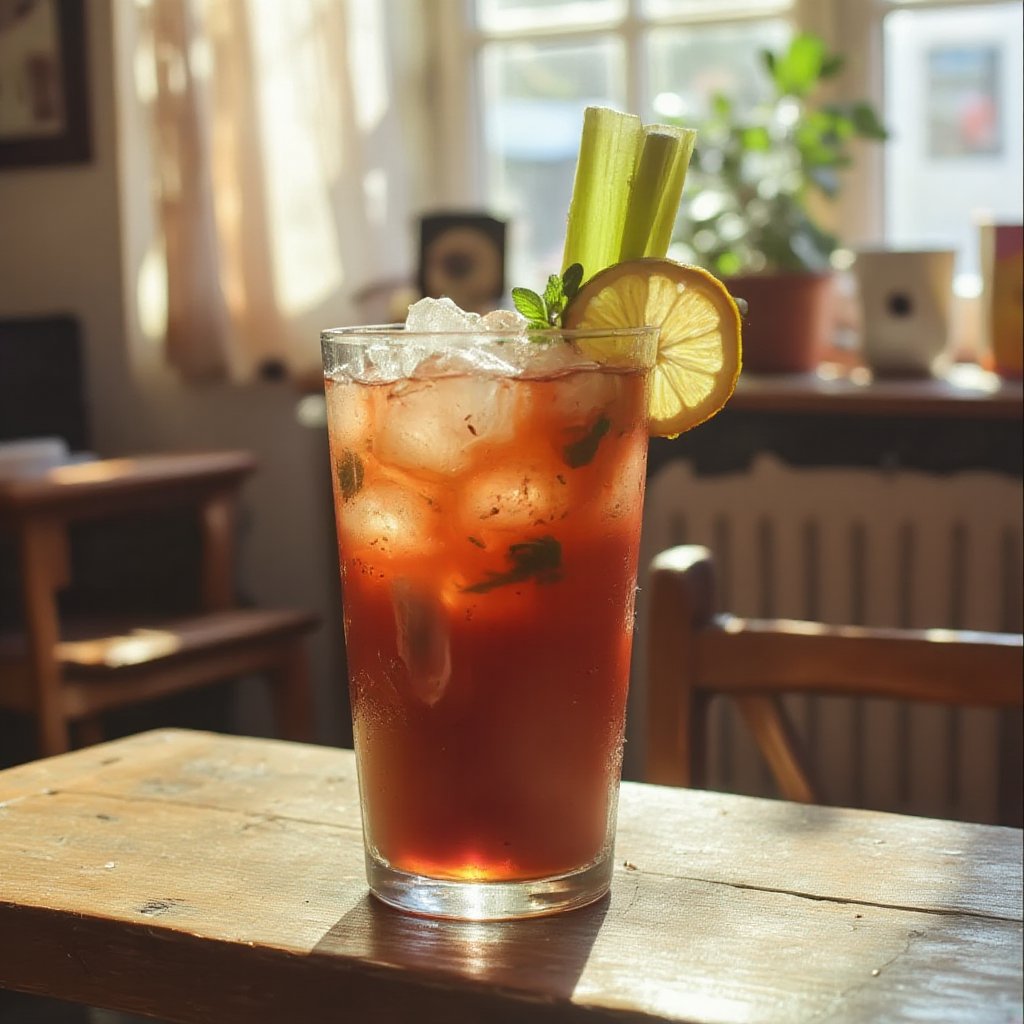
The Bloody Mary is the original savory cocktail, and its non-alcoholic version might be the single best argument against the idea that mocktails are just juice. Tomato juice, Worcestershire sauce, hot sauce, celery salt, and lemon juice combine into something that tastes more like a meal than a drink. There’s umami, acid, heat, and salt all working at once, and a non-alcoholic vodka like Seedlip gives it a dry, peppery quality without adding sweetness. This is the drink to start with if you’ve never ventured beyond fruit-based mocktails. Try adding an extra dash or two of hot sauce, or muddle a thin slice of fresh jalapeno into the glass before building the drink. The Bloody Mary handles heat better than almost anything else on this list.
Penicillin
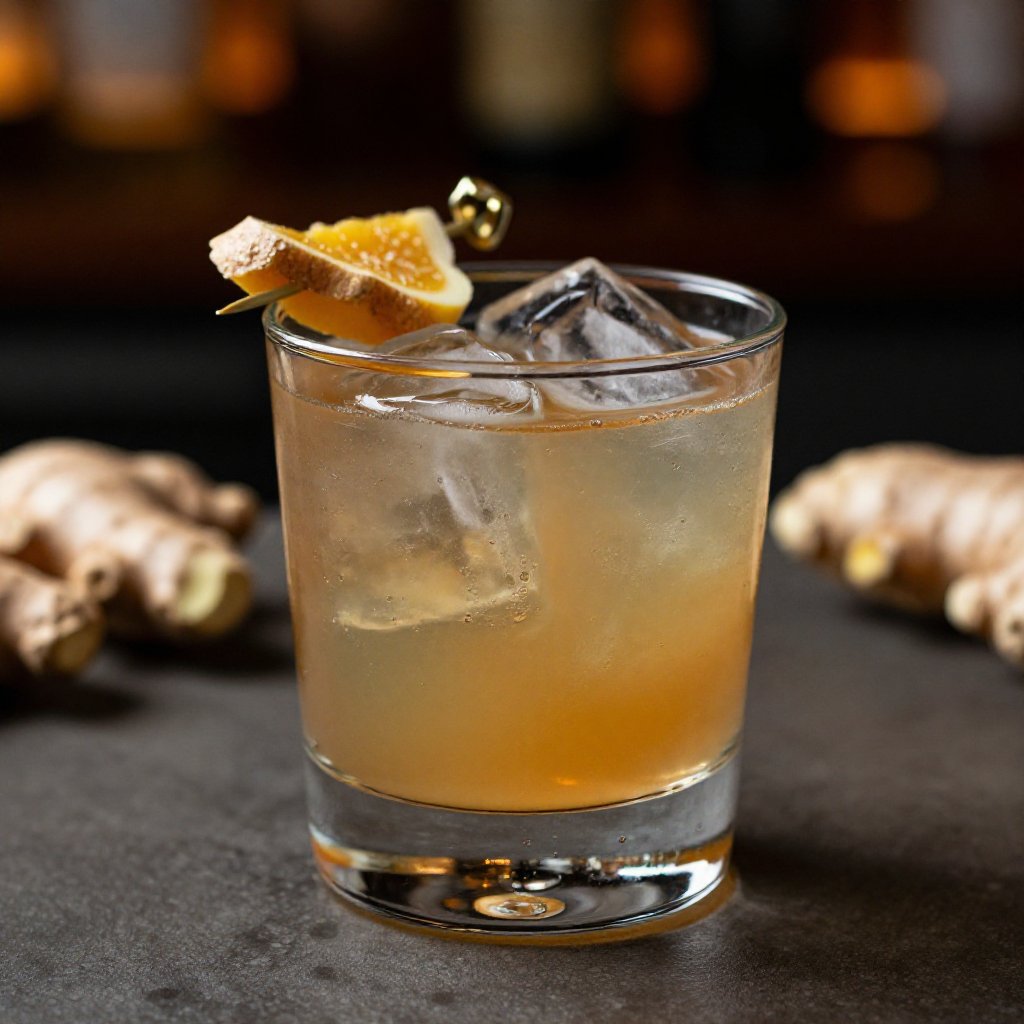
The Penicillin is a modern classic that relies on the combination of fresh ginger, honey, and lemon to create something warming and sharp. Three slices of ginger get muddled in the shaker before everything else goes in, and that fresh ginger gives the drink a completely different character than you’d get from ginger beer or ginger ale. It’s brighter, more aromatic, and the heat hits differently. The honey-ginger syrup adds sweetness, but it’s the restrained kind that plays a supporting role rather than taking over. Paired with a non-alcoholic scotch, the drink has enough depth and body to feel serious. If you like your spice layered with warmth rather than straight-up fire, this is the one to try.
Ginger Beer Mocktail
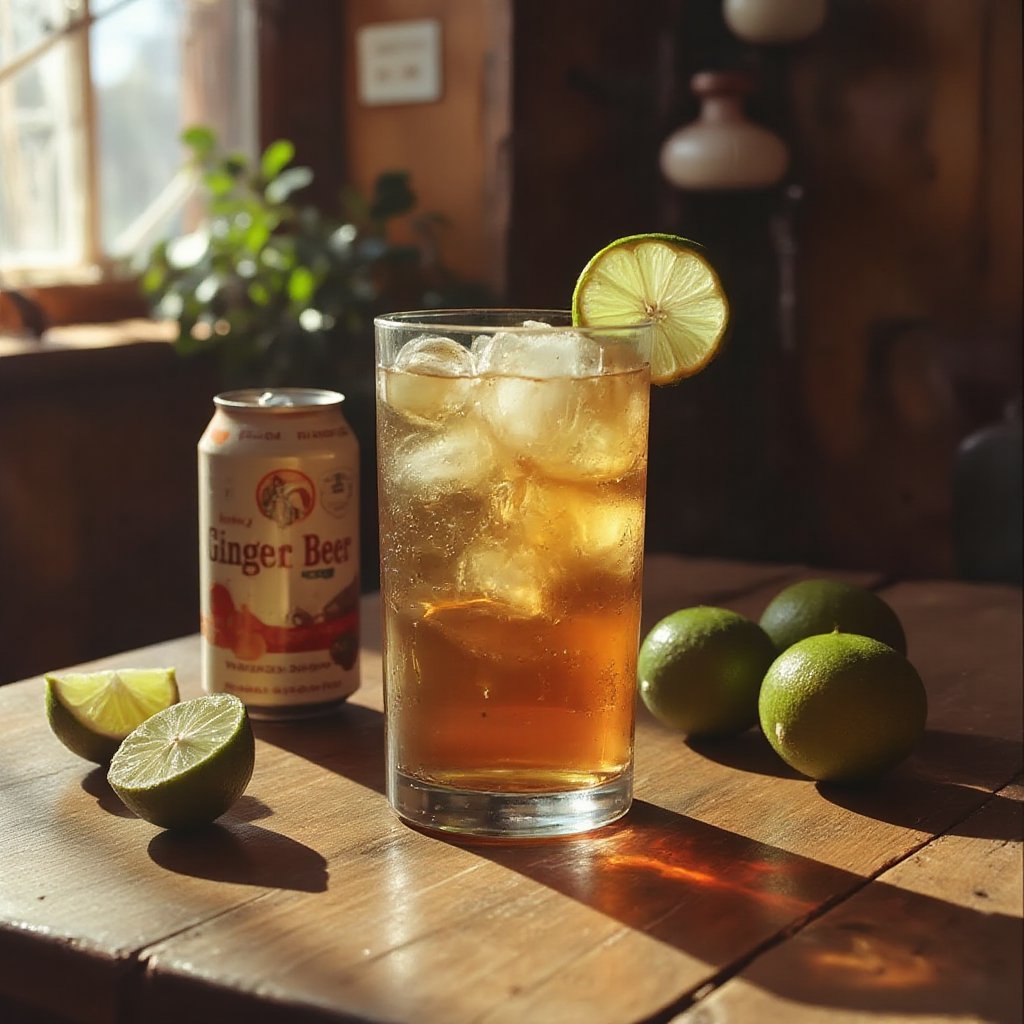
Sometimes the simplest drinks are the ones that work best. This recipe is just ginger beer, fresh lime juice, and honey syrup, with an optional couple dashes of Angostura bitters. That’s it. And yet it’s more interesting than half the multi-ingredient mocktails out there, because good ginger beer does so much heavy lifting on its own. The lime juice adds tartness that keeps the ginger from becoming one-note, and the honey rounds everything out without making it taste sweet. The bitters, if you use them, add a layer of herbal complexity that makes the whole thing feel polished. This is a good recipe to have in your back pocket for nights when you want something with bite but don’t feel like hunting down specialty ingredients.
Kentucky Mule
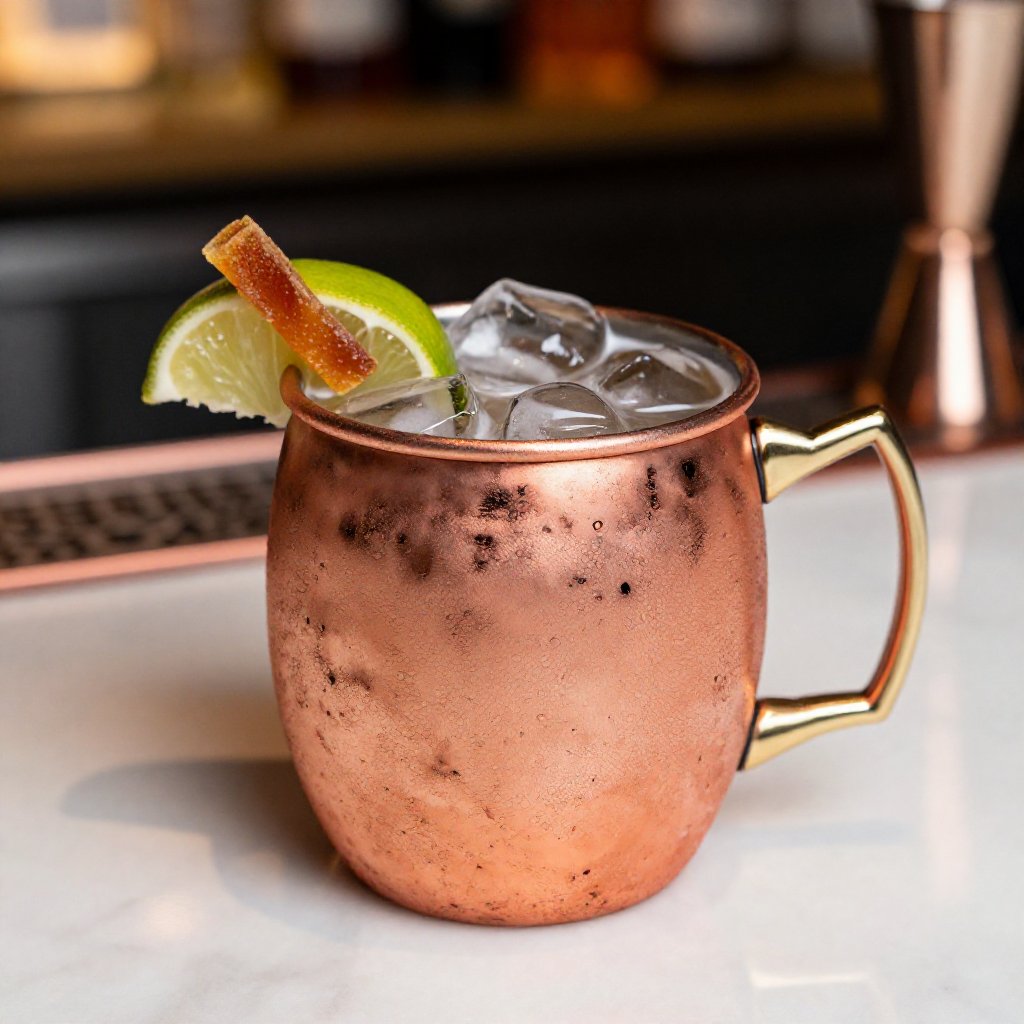
The Kentucky Mule takes the classic Moscow Mule format and swaps in non-alcoholic bourbon for the vodka, which turns out to be a significant upgrade on the spice front. Bourbon substitutes tend to bring caramel, vanilla, and warm baking spice notes to the table, and when those hit a glass full of sharp ginger beer and fresh lime juice, you get a drink with real complexity. The ginger beer provides the heat, the lime keeps everything bright, and the bourbon ties it all together with a warm, toasty backbone. If your ginger beer of choice isn’t spicy enough, try seeking out a brand that uses real ginger root rather than ginger flavoring. Fever-Tree and Bundaberg both make versions with genuine kick.
Mezcal Mule
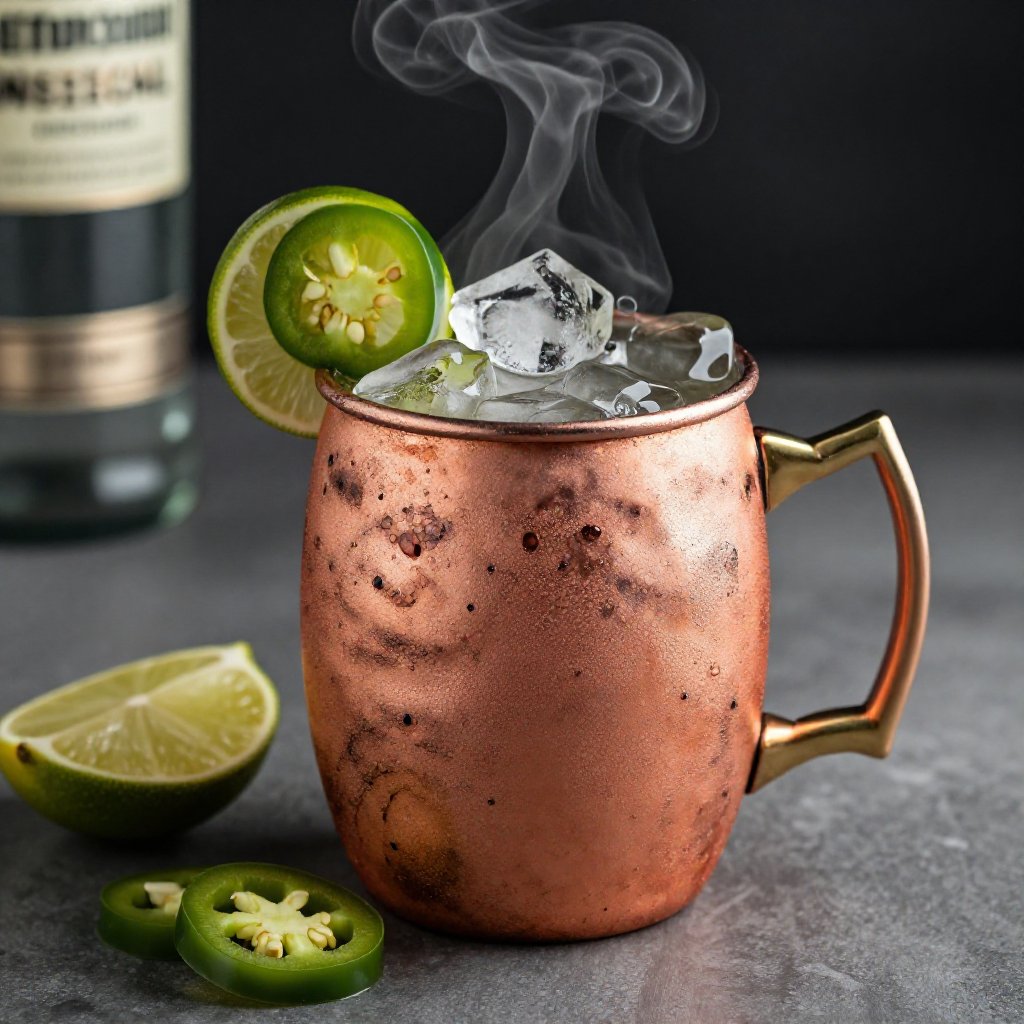
If the Kentucky Mule is the warm, friendly member of the mule family, the Mezcal Mule is its rougher, more interesting sibling. Non-alcoholic mezcal brings a smoky quality that changes everything about the drink. Instead of the smooth caramel notes of bourbon, you get charred agave and campfire, and those flavors play against ginger beer’s spice in a way that feels almost aggressive. The recipe calls for a jalapeno slice as garnish, and you should absolutely take that suggestion seriously. Dropping a thin round of jalapeno into the drink and letting it sit while you sip turns the Mezcal Mule into something that gradually builds heat with every minute it spends in the glass. This is the drink for people who find most mocktails too polite.
Paloma
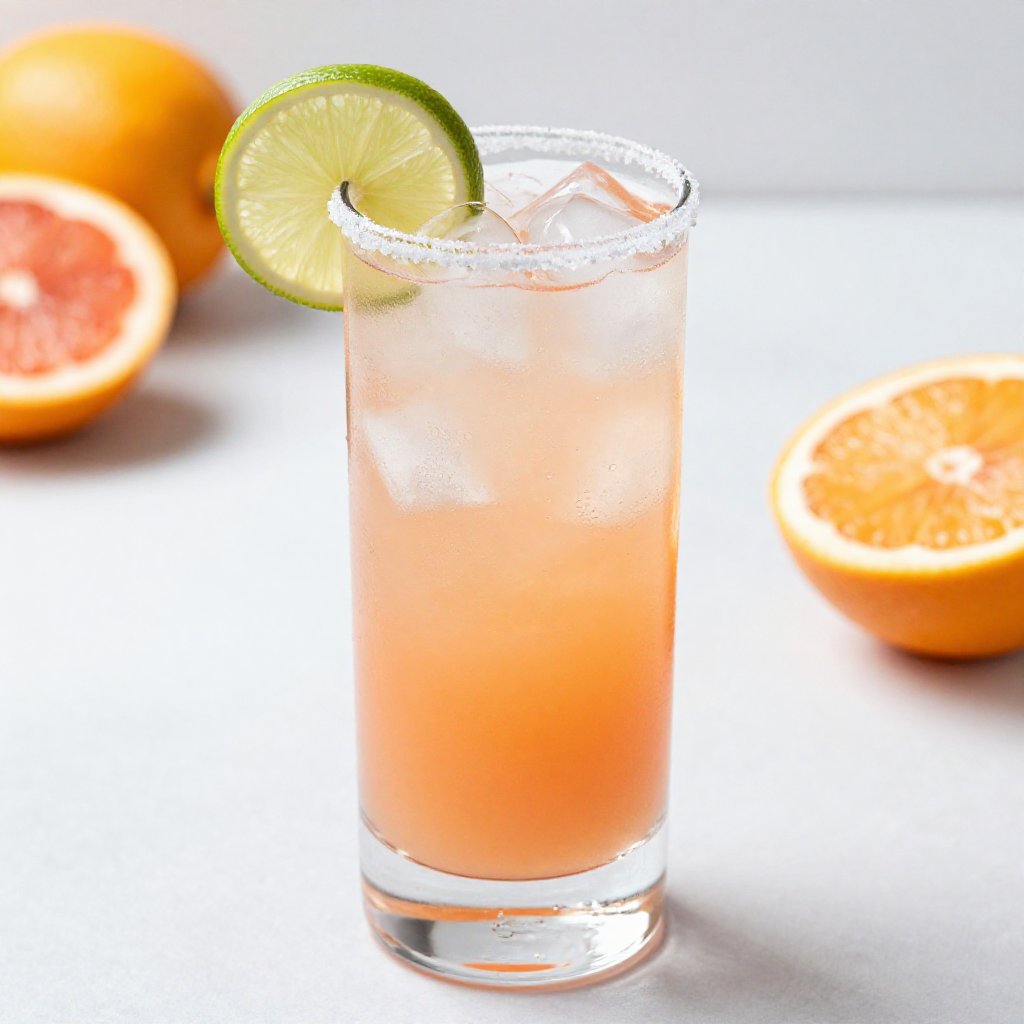
The Paloma isn’t spicy in the traditional sense, but it belongs on this list because it is the opposite of sweet. Grapefruit soda and fresh lime juice create a drink that’s tart, bitter, and slightly salty, especially if you rim the glass with salt as the recipe suggests. The bitterness of the grapefruit does the same thing that heat does in the other drinks on this list: it gives your palate a reason to pay attention. A non-alcoholic tequila adds a dry, herbal edge, and the whole thing finishes clean rather than lingering with sugar. If you want to push the Paloma in a spicier direction, add a pinch of cayenne to the salt rim or muddle a few thin jalapeno slices in the bottom of the glass before building the drink.
How to add heat to any mocktail
Once you start thinking about spice as a tool rather than a novelty, you can apply it to almost any recipe you already make. Fresh ginger is the most versatile option. Peeling and slicing a thumb-sized piece of ginger root and muddling it in the bottom of your shaker adds a bright, sharp heat that tastes nothing like the bottled stuff. It works in citrusy drinks, in dark spirit drinks, and even in tropical recipes where you want to cut through the sweetness of pineapple or mango.
Jalapeno slices are more dramatic. A single thin round muddled into a drink adds a green, vegetal heat that builds slowly and sticks around. Remove the seeds if you want flavor without too much fire, or leave them in if you mean business. Jalapeno pairs particularly well with citrus, agave-style spirits, and anything with lime.
Hot sauce works in savory drinks like the Bloody Mary, but it can also surprise you in citrus-forward recipes. A single dash of a vinegar-based hot sauce (like Tabasco or Cholula) in a lime and soda drink adds a subtle warmth without making it taste like a wing sauce. Spicy bitters, such as Bittermens Hellfire Habanero Shrub, are another option that gives you heat plus complexity in a few drops.
A cayenne or chili salt rim is perhaps the easiest way to add spice to a mocktail without changing the recipe at all. Mix equal parts flaky salt and cayenne pepper on a small plate, wet the rim of your glass with a lime wedge, and press it into the mixture. Every sip picks up a little heat from the rim, and you get a visual element that makes the drink look more intentional. Try it on a Paloma, a margarita, or even a simple ginger beer and lime.
The key to working with heat is balance. Spice should wake up your palate, not overwhelm it. Pair heat with acid (lime juice, lemon juice, grapefruit) to keep the flavors lively, and don’t forget salt. A pinch of salt in a spicy drink amplifies the other flavors and softens any rough edges. Start with less heat than you think you need and taste as you go. You can always add more, but you can’t take it out.