A mocktail and a low-alcohol beer sit next to each other on a menu, and they look like they belong to the same category. They don’t. The difference between 0.0% ABV and 0.5% ABV might seem trivial on paper, but for millions of people it’s the difference that actually matters. If you’ve ever stood in a grocery aisle squinting at a label that says “non-alcoholic” and wondered what that really means, you’re not alone.
What counts as a mocktail
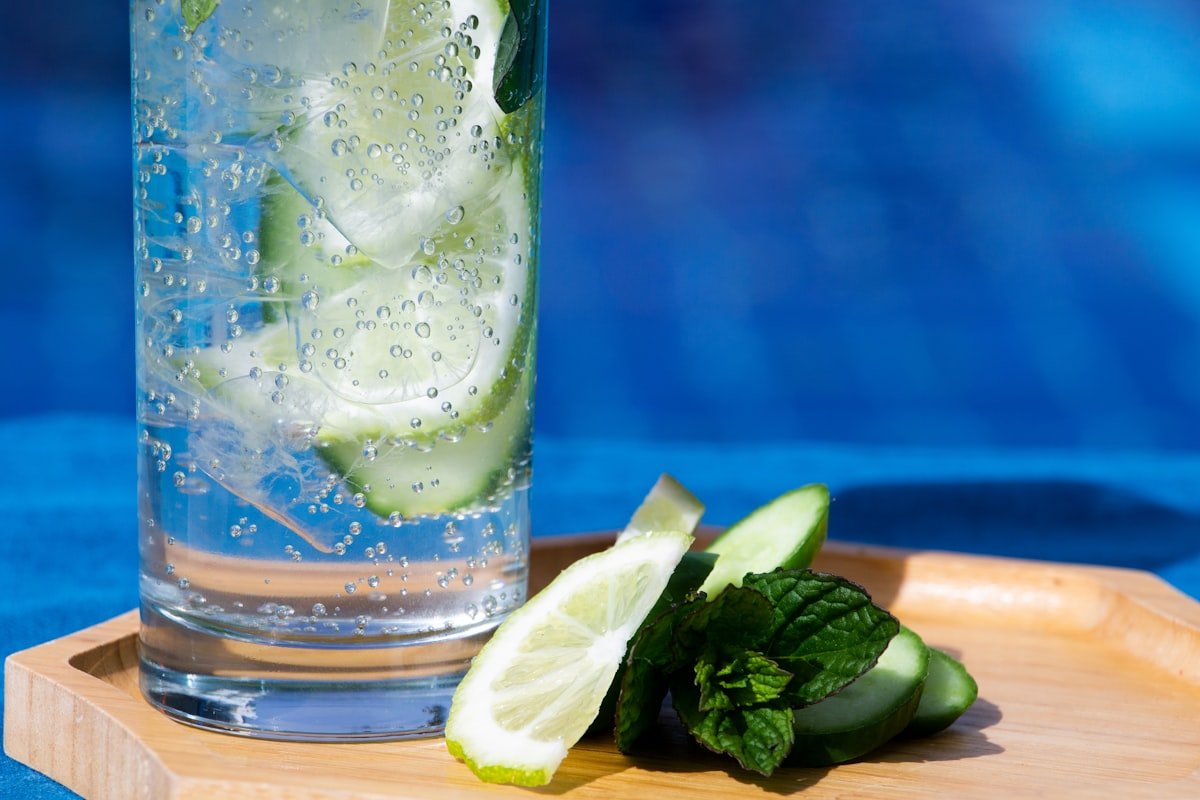
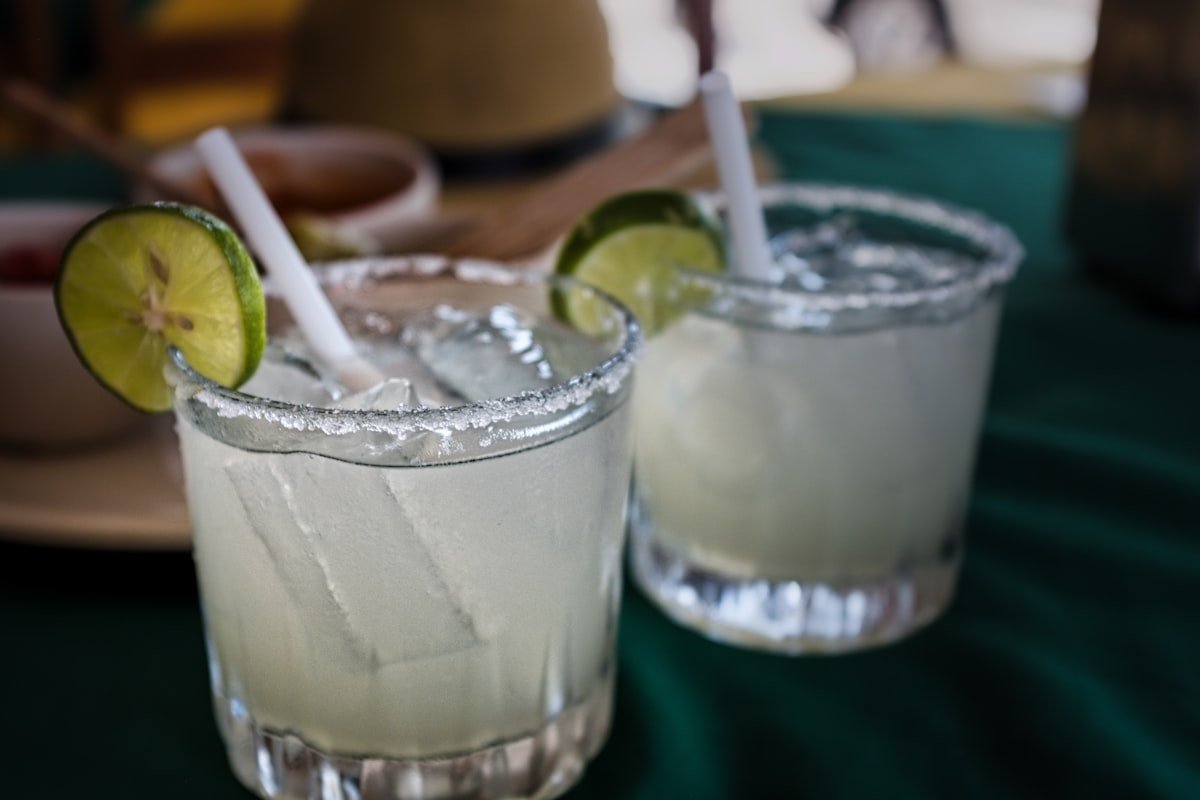
A mocktail contains zero alcohol. Not a trace, not a residual amount from fermentation, not 0.5% that rounds down to “basically nothing.” Zero. Mocktails are built from scratch using juices, syrups, sodas, herbs, spices, and increasingly, non-alcoholic spirit substitutes designed to mimic the flavor of gin, bourbon, rum, and the rest. The key thing is that nothing in the glass was ever alcoholic to begin with, or if it was (as with some dealcoholized spirits), the alcohol has been fully removed.
This is what makes mocktails genuinely useful for people who can’t or don’t want any alcohol at all. There’s no gray area, no asterisk, no fine print.
What counts as a low-alcohol drink
Low-alcohol drinks sit in a range between 0.5% and 1.2% ABV. That’s a small amount of alcohol, roughly what you’d find in a ripe banana or a piece of sourdough bread. Most low-alcohol products are beers and wines that have been brewed or fermented normally and then had most of their alcohol removed. The process rarely gets every last molecule out, which is why so many “non-alcoholic” beers clock in at 0.5% rather than 0.0%.
There are also drinks designed from the start to ferment only lightly, like kombucha or certain ginger beers, which naturally land in this range. These products sit in a middle ground between fully alcoholic and fully alcohol-free, and for many people that middle ground is perfectly comfortable.
Why the difference matters
For a lot of casual drinkers cutting back, the gap between 0.0% and 0.5% is practically meaningless. You’d need to drink somewhere around ten non-alcoholic beers in an hour to approach the blood alcohol level of a single regular beer. Your body processes trace amounts of alcohol faster than you can consume them at any normal pace.
But “practically meaningless” is not the same as “meaningless.” If you’re pregnant and following medical guidance to avoid alcohol entirely, that 0.5% matters. If you’re in recovery from alcohol use disorder, it may matter both physiologically and psychologically. The taste and ritual of a beer, even one with almost no alcohol, can be a trigger for some people and a helpful bridge for others. That’s a personal calculation, not something a blog post can settle for you.
Religious observance is another area where the line is firm. Many Muslim, Mormon, and Buddhist traditions call for complete abstinence, and 0.5% ABV does not meet that standard. For people following these practices, only true 0.0% options qualify.
And then there’s simple personal preference. Some people just don’t want any alcohol in their glass, period. That’s a perfectly good reason on its own, and it doesn’t need a medical or religious justification behind it.
The label problem
Here’s where things get confusing. The terms “alcohol-free,” “non-alcoholic,” and “low-alcohol” mean different things depending on where you live.
In the United States, the FDA allows beverages with up to 0.5% ABV to be labeled “non-alcoholic.” That means a beer labeled “non-alcoholic” on an American shelf might not be truly alcohol-free. A product labeled “alcohol-free” should contain 0.0% ABV, but enforcement is inconsistent and not every brand uses the terms precisely.
The UK draws a clearer set of lines. “Alcohol-free” means no more than 0.05% ABV. “Dealcoholized” covers drinks up to 0.5% ABV. “Low-alcohol” goes up to 1.2% ABV. Each term has a defined range, which makes shopping a bit more straightforward once you know the system.
In the EU, rules vary by country, and Australia has its own definitions too. The point isn’t to memorize every regulation; it’s to know that you can’t trust the front of the label. Flip the bottle over and look for the actual ABV number. That’s the only figure that tells you what’s really in the drink.
If a product says “0.0%” on it, you can take that at face value. If it says “non-alcoholic” without a specific ABV number, look more closely.
Where non-alcoholic beer and wine fit in
Non-alcoholic beer is probably the most common place where this confusion shows up. The vast majority of non-alcoholic beers on the market are 0.5% ABV, not 0.0%. Brands like Athletic Brewing and Heineken 0.0 have pushed toward true zero, but they’re still the exception rather than the rule. If zero is your target, check every can.
Non-alcoholic wine is in a similar spot. Most dealcoholized wines retain trace amounts of alcohol because the removal process is imperfect. A handful of brands have achieved 0.0%, but many sit at 0.3% to 0.5%. The flavor profiles also vary widely. Dealcoholized wine struggles more than beer to replicate the mouthfeel and complexity of the original, which is part of why non-alcoholic spirit substitutes mixed into mocktails have become such a popular alternative. A well-made mocktail built from quality ingredients can deliver a satisfying complexity that dealcoholized wine sometimes misses.
Figuring out what’s right for you
The honest answer is that it depends on your reasons for choosing non-alcoholic drinks. If you’re avoiding alcohol for medical, religious, or recovery-related reasons, stick with products that are verified 0.0% ABV. Build your drinks from mocktail recipes that use ingredients with no alcohol content at all. There’s no shortage of good options, and you won’t feel like you’re settling.
If you’re cutting back for general health reasons or just trying to drink less, low-alcohol options might fit comfortably into your routine. A 0.5% beer with dinner or a dealcoholized wine at a party can fill the social and sensory role of a drink without the effects you’re trying to avoid. For more detail on what “alcohol-free” really means in practice, take a look at our piece on whether mocktails contain alcohol.
The best approach is probably the simplest one: decide what your actual limit is, learn to read labels with a skeptical eye, and then choose the drinks that fit. The market for non-alcoholic and low-alcohol beverages has grown enormously in the past few years, and the quality has grown with it. Whatever line you draw, there’s something good on your side of it.