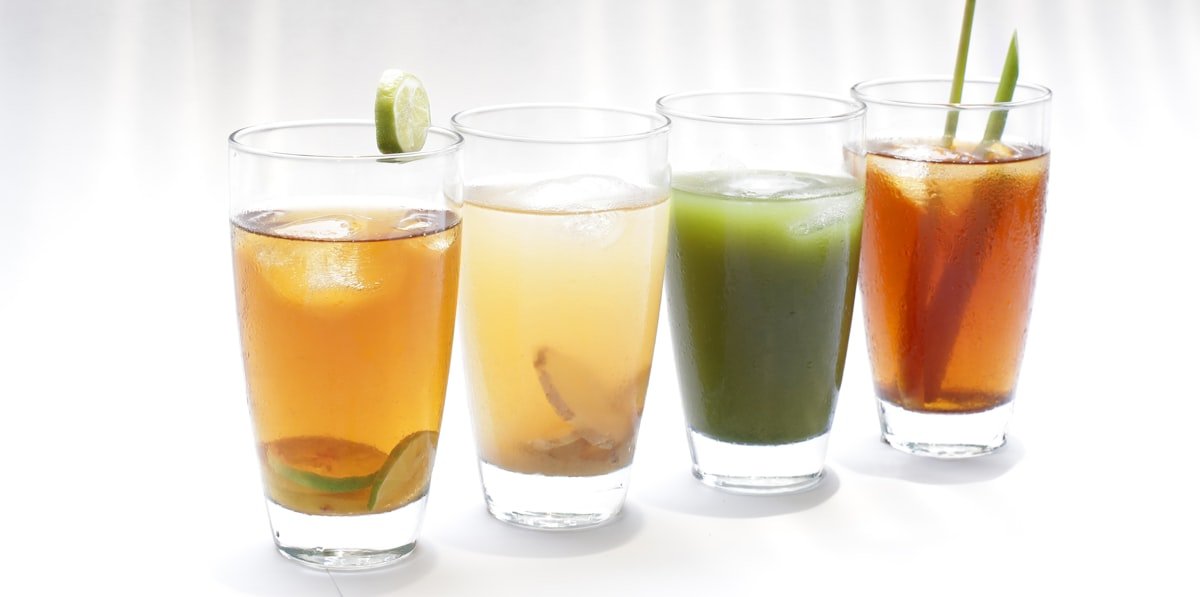
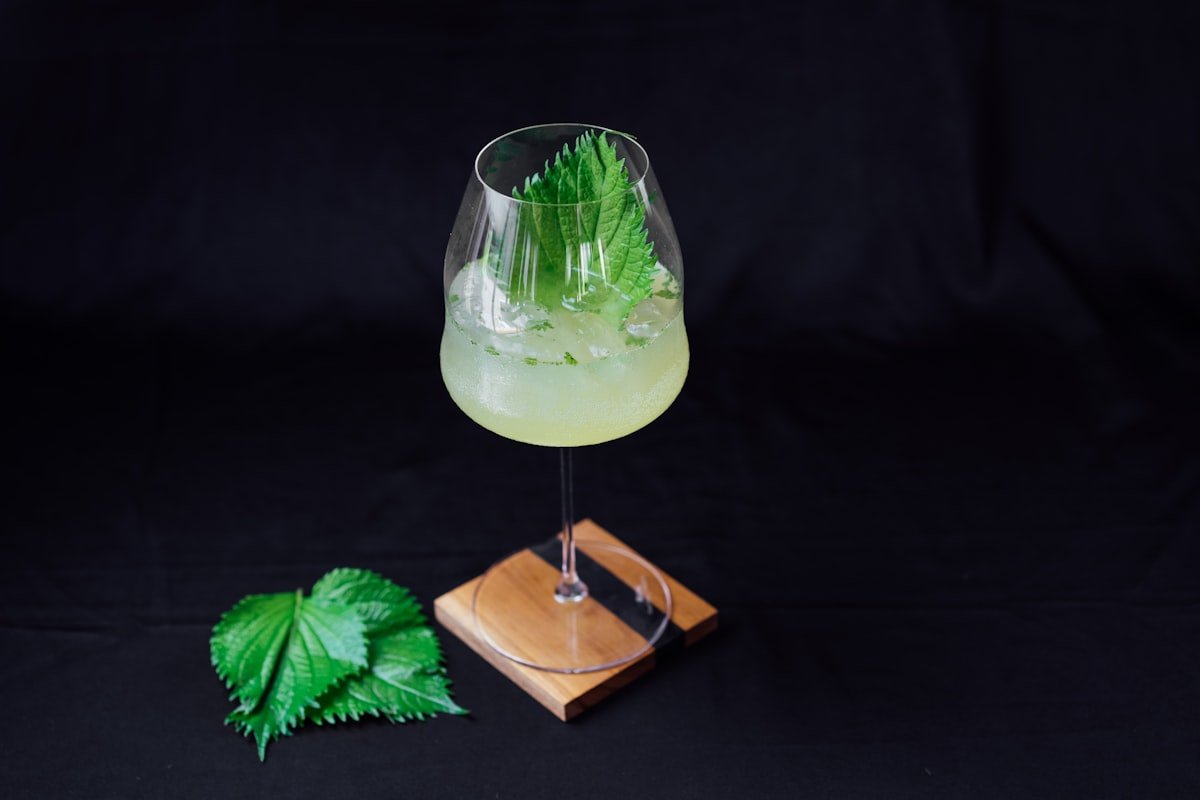
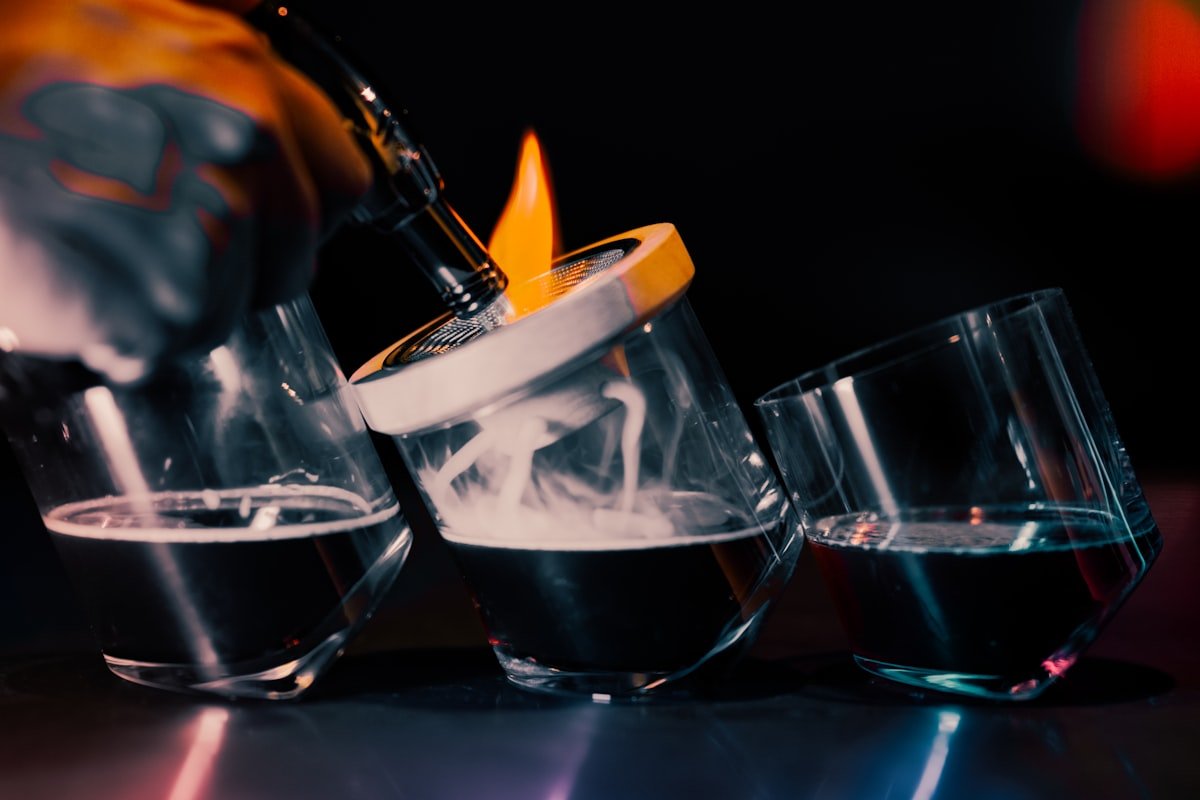
Sober curious means you’re questioning your relationship with alcohol without necessarily committing to full sobriety. You might skip drinks on a Tuesday but have one at a wedding. You might go a month without drinking just to see how it feels. You might be perfectly happy with a gin and tonic made with non-alcoholic gin because the ritual matters more to you than the alcohol.
The term sits in a space that didn’t really have a name before. You’re not in recovery. You’re not following a doctor’s orders. You’re just paying attention to how alcohol makes you feel and deciding, drink by drink, whether it’s worth it.
Where the term came from
Ruby Warrington coined “sober curious” in her 2018 book of the same name. She described it as an approach to drinking that starts with a question rather than a rule: what would happen if I stopped? The idea resonated because it gave language to something a lot of people were already doing quietly. They weren’t alcoholics. They weren’t teetotalers. They were just… thinking about it more.
The concept landed at the right moment. Wellness culture was already pushing people to reconsider what they put in their bodies. Dry January had been growing since 2013. Millennials were drinking less than previous generations. Warrington didn’t invent the behavior, but she gave it a name, and that name made it easier to talk about.
It’s a spectrum, not a switch
The most common misunderstanding about sober curiosity is that it means quitting drinking. It doesn’t. It’s closer to a sliding scale. On one end, you have people who’ve simply cut back. Maybe they drink once a month instead of twice a week. On the other end, you have people who’ve stopped entirely and found they prefer life without alcohol. Most sober curious people land somewhere in the middle, and where they land changes over time.
Some related terms that describe positions on the same spectrum:
Damp drinking means you still drink, but less. You might set rules for yourself, like only drinking on weekends or capping it at two. The label appeals to people who aren’t ready to stop but want to be more intentional about when and how much.
Mindful drinking is similar but focuses more on awareness than reduction. The goal is to notice why you’re reaching for a drink. Is it because you want one, or because everyone else has one? Is it habit or genuine desire? The answer might still be “yes, I want this drink,” and that’s fine. The point is that you asked the question.
Sober means no alcohol at all. For many people in recovery communities, sobriety is a lifeline earned through hard work. Sober curiosity is different in that it typically comes from a place of choice rather than necessity, which is why some people in recovery view the term skeptically. That’s fair. The experiences are different, even if they share some practical overlap.
How it’s different from being in recovery
This distinction matters. People in recovery from alcohol use disorder are managing a medical condition. Their sobriety often involves support systems, therapy, and daily effort. Sober curiosity is a lifestyle experiment. Conflating the two can trivialize recovery and overstate the challenge of sober curiosity.
That said, some people start as sober curious and discover along the way that their drinking was more of a problem than they realized. The self-reflection that sober curiosity encourages can surface patterns you didn’t notice before. If cutting back feels harder than you expected, that’s worth paying attention to.
What it looks like in practice
For most sober curious people, the day-to-day reality is less dramatic than it sounds. You order a mocktail margarita at happy hour instead of the real thing. You keep a few bottles of non-alcoholic spirits at home for when you want something with more depth than sparkling water. You notice that you sleep better, that Sunday mornings feel different, that your anxiety is quieter during the week.
The social side is usually the biggest adjustment. Alcohol is deeply woven into how most adults socialize, and opting out can feel awkward at first. Having something to drink in your hand helps. A non-alcoholic old fashioned in a rocks glass doesn’t invite the same questions as an empty hand. Most people stop noticing what’s in your glass faster than you’d expect.
A first step, not a destination
If any of this sounds familiar, you don’t need to make a declaration or set a goal. Start with one evening where you skip the drink and see how you feel the next morning. Try a mocktail recipe that catches your eye. Pour a non-alcoholic bourbon over ice and sip it slowly. The whole point of sober curiosity is that it’s an experiment, not a commitment. You’re allowed to try it and decide it’s not for you. You’re also allowed to try it and realize you prefer this version of your life.
For a deeper look at the sober curious movement and the market that’s grown up around it, we’ve written more about how the trend is reshaping drinking culture.