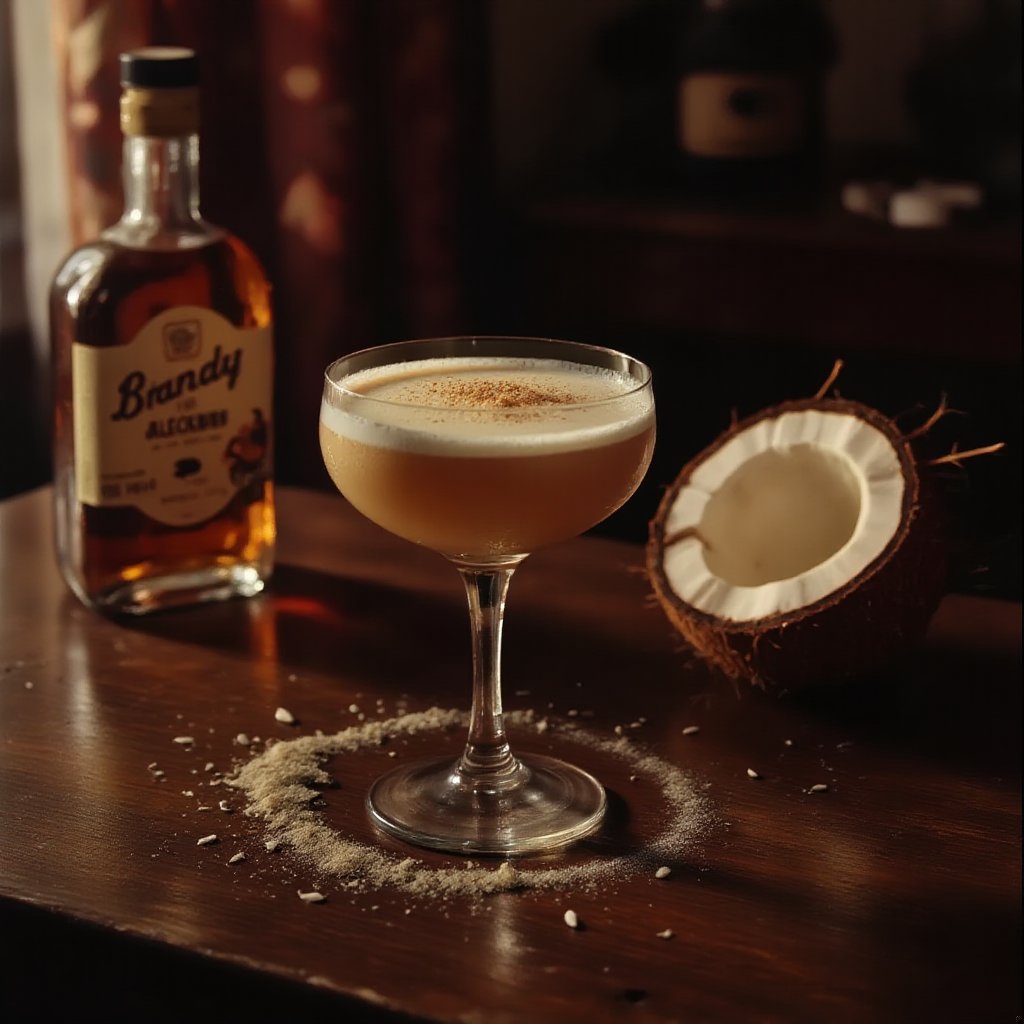
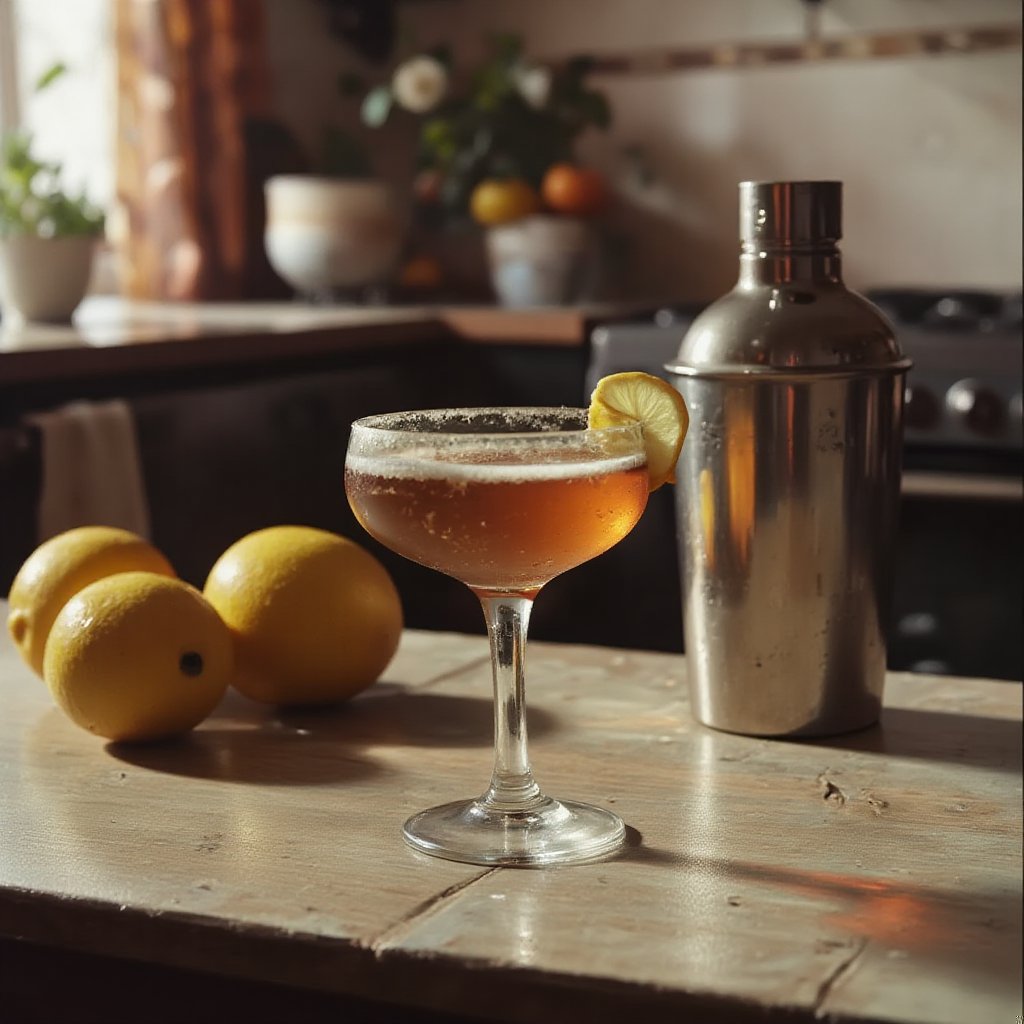
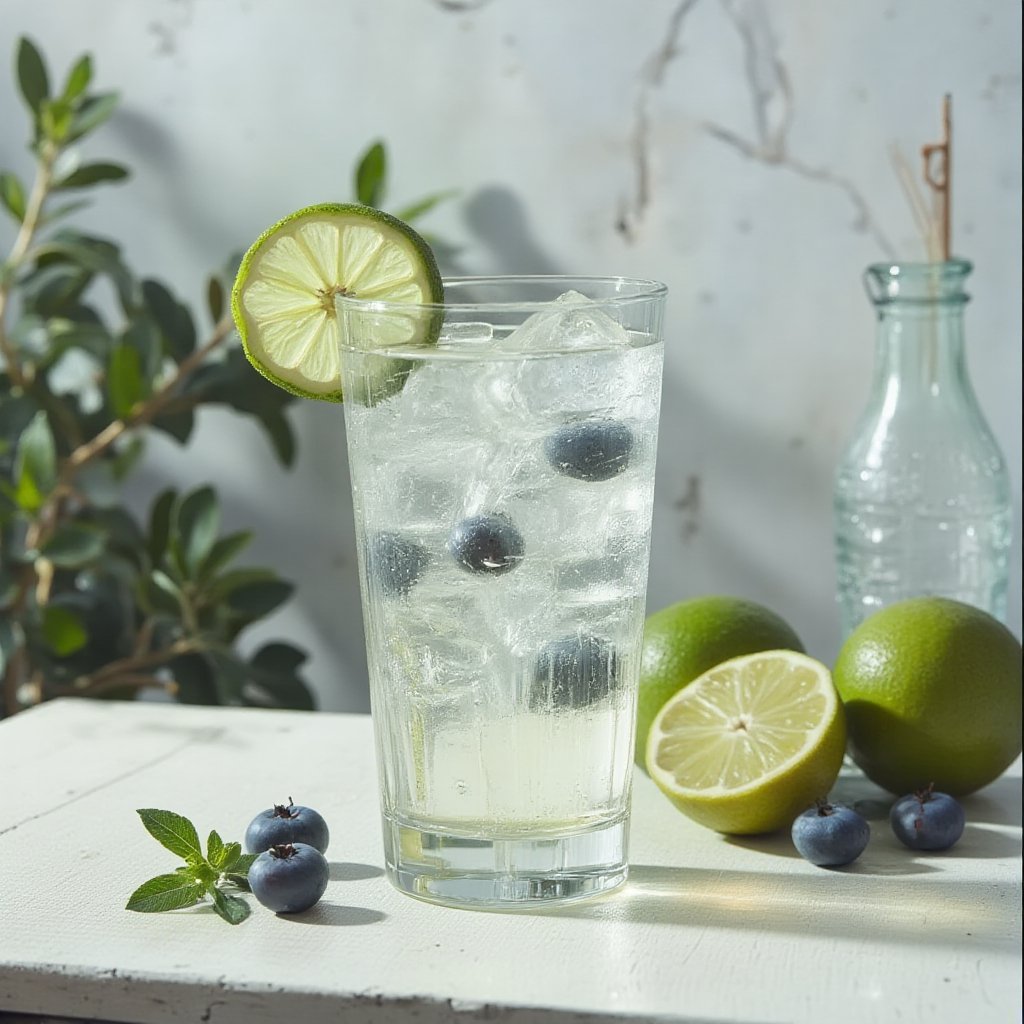
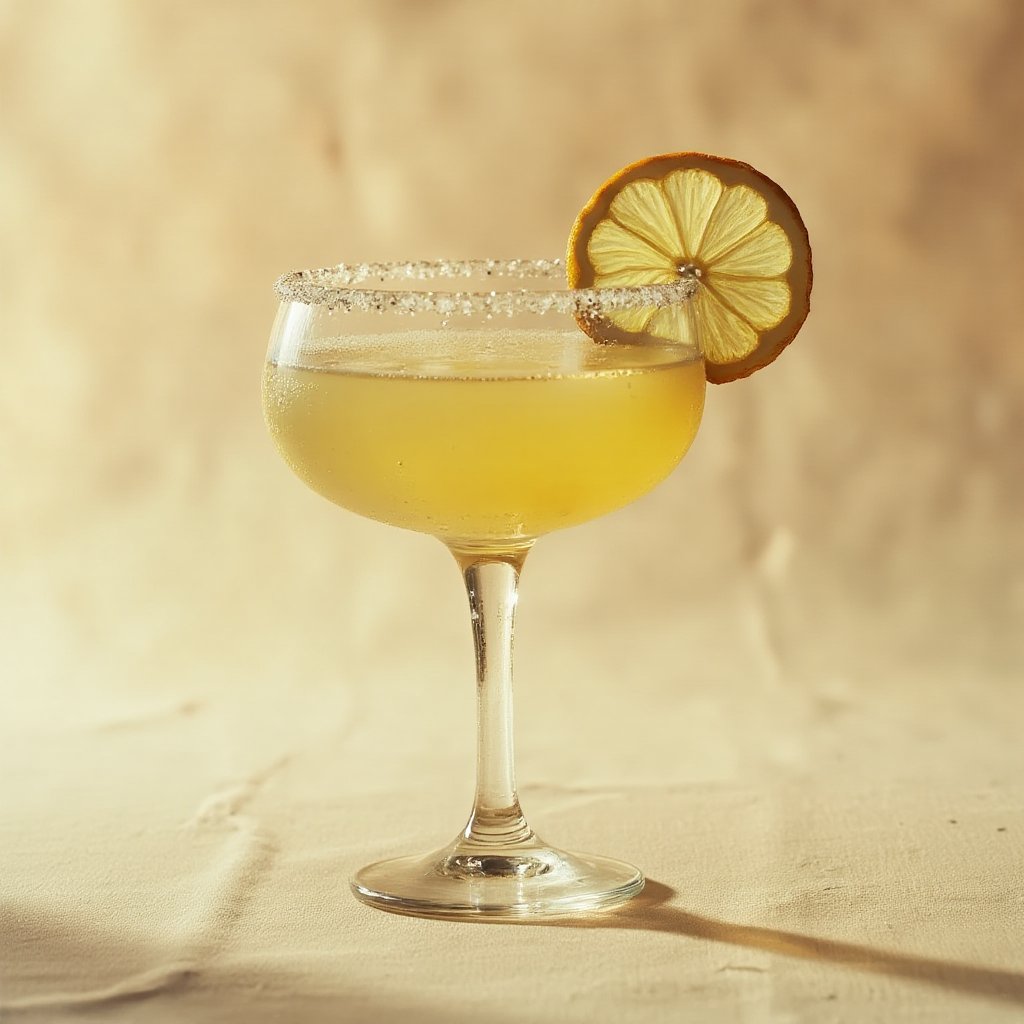
A mocktail is a mixed drink made without alcohol — a non-alcoholic version of a cocktail. The word blends “mock” (to imitate) and “cocktail.” Mocktails use juices, syrups, sodas, herbs, and non-alcoholic spirits to recreate the flavor, presentation, and complexity of a cocktail without any ethanol. By definition, a mocktail contains no alcohol.
That’s the short answer. The longer answer covers what actually goes in them, how they differ from cocktails, why the category has exploded over the past few years, and what to order at a bar.
Mocktail definition: the short version
| Mocktail | Cocktail | |
|---|---|---|
| Contains alcohol? | No | Yes |
| Built around | Juice, soda, NA spirits, herbs | A base spirit (vodka, gin, whiskey, etc.) |
| Calories per drink | 50–150 typical | 150–400 typical |
| Examples | Virgin Mojito, Shirley Temple, NA Margarita | Mojito, Old Fashioned, Margarita |
That’s the full definition: a cocktail without the alcohol, built with the same care and techniques.
Where the word “mocktail” comes from
“Mock” means to imitate or mimic. “Cocktail” is the classic mixed-drink format. Put them together and you get a drink that looks, tastes, and feels like a cocktail but contains no alcohol.
The term has been around for decades but mostly used casually. It started gaining real traction in the 2010s as bars began taking non-alcoholic drinks more seriously. Today, “mocktail” is widely understood and appears on menus at restaurants, bars, and hotels around the world. You’ll also hear “zero-proof cocktail,” “non-alcoholic cocktail,” or “NA drink,” but mocktail is the most common term.
Does a mocktail contain alcohol?
No. A mocktail, by definition, does not contain alcohol. That’s the entire point of the category. If a drink has a shot of vodka or rum in it, it’s a cocktail, not a mocktail.
There’s one nuance worth knowing. Some mocktails are made with non-alcoholic spirits, engineered to replicate the flavor of gin, bourbon, tequila, and other liquors without the ethanol. Most of these products contain less than 0.5% ABV, which is roughly the same amount found in a ripe banana, a glass of orange juice, or a serving of kombucha. At that level, there is no intoxicating effect whatsoever. But if you’re avoiding alcohol for medical or religious reasons and need strict 0.0% ABV, check the label on any NA spirit before using it.
For the vast majority of people, mocktails are a completely alcohol-free experience.
How mocktails differ from cocktails
The difference between mocktails and cocktails comes down to one thing: alcohol. A cocktail is built around a base spirit. A mocktail replaces that spirit with non-alcoholic alternatives or removes it altogether, relying on other ingredients to provide depth and complexity.
That distinction used to mean mocktails were simpler and less interesting than cocktails. A “virgin margarita” was basically lime juice and sugar. But that has changed significantly. Modern mocktails use the same techniques as professional bartending: muddling fresh herbs, making house-made syrups, using bitters for complexity, and building drinks with the balance of sweet, sour, bitter, and aromatic elements that define a great cocktail.
The result is that a well-made mocktail can be just as satisfying to drink as a cocktail. It’s a complete beverage experience, not a consolation prize.
What goes into a mocktail
Mocktails pull from five main ingredient categories.
Fresh juices form the backbone. Citrus juices (lime, lemon, grapefruit) provide acidity and brightness. Fruit juices (cranberry, pineapple, pomegranate) add sweetness and color.
Syrups are where flavor customization happens. Simple syrup is the baseline; honey syrup, agave nectar, grenadine, orgeat, lavender syrup, and ginger syrup push drinks in different directions.
Non-alcoholic spirits have become a major part of the mocktail world. Brands like Lyre’s, Seedlip, Monday, and Ritual make products designed to stand in for gin, whiskey, tequila, rum, and more. They give mocktails the complex, adult flavor profile that plain juice and soda can’t achieve. Browse the full range on our spirit substitutes page.
Sodas and sparkling water add effervescence and volume — club soda, tonic water, ginger beer, even cola.
Herbs, spices, and bitters round things out. Fresh mint, basil, rosemary, and thyme are common. A few dashes of aromatic or orange bitters (most are technically non-alcoholic in the quantities used) add depth that makes a mocktail taste sophisticated.
Common types of mocktails
Mocktails generally fall into three categories.
Virgin classics — non-alcoholic versions of well-known cocktails. A virgin mojito uses the same mint, lime, sugar, and soda as the original but leaves out the rum. A mocktail margarita keeps the lime and salt rim but substitutes the tequila. A Shirley Temple is probably the most famous mocktail of all.
Original creations — drinks designed from the ground up as non-alcoholic beverages, not riffs on cocktails. They might combine shrubs, kombucha, coconut water, or fresh-pressed vegetable juices. Many of the most exciting bar mocktails fall here because the bartender isn’t constrained by replicating an existing drink.
NA spirit-based mocktails — these use non-alcoholic spirits as a direct substitute in classic cocktail recipes. A mocktail Old Fashioned made with NA bourbon, bitters, and a sugar cube tastes remarkably close to the real thing. A gin and tonic made with an NA gin and good tonic water is nearly indistinguishable from its alcoholic counterpart. This category has exploded as the quality of NA spirits has improved.
Why mocktails are having a moment
Mocktails aren’t new, but their popularity has surged for several reasons.
The sober curious movement has played a significant role. More people are questioning their relationship with alcohol, not necessarily quitting entirely but drinking less and more intentionally. Dry January participation has grown every year. For these people, mocktails provide a way to participate in social drinking culture without the alcohol.
The quality of non-alcoholic products has improved dramatically. Ten years ago, options were O’Doul’s and Shirley Temples. Today, hundreds of NA spirits, NA wines, and NA beers are on the market, many of them genuinely good.
There’s also been a broader cultural shift. Younger generations, particularly Gen Z, drink less alcohol than their predecessors. Health and wellness trends have made people more conscious of intake. Bars and restaurants have responded by expanding non-alcoholic menus, sometimes dedicating entire sections to mocktails.
Ordering a mocktail no longer feels like an unusual choice. It’s just another option on the menu.
How to order a mocktail at a bar
If you’ve never ordered a mocktail at a bar, it’s simpler than you might think. Many restaurants and bars now have a dedicated non-alcoholic or “zero-proof” section on their menu. Start there.
If there’s no mocktail menu, just ask the bartender. Say something like “Can you make me something non-alcoholic?” Most bartenders are happy to do it. You can give them a flavor direction if you want, like “something citrusy and refreshing” or “something bitter and complex.”
You can also order a virgin version of any cocktail on the menu. A virgin mojito, a virgin mule, a mocktail paloma. Bartenders know what these mean and can adapt on the fly.
For specific recommendations on what to order, check out our guide to the best mocktails to order at any bar. There’s no reason to feel awkward about ordering one — it’s completely normal, and it’s only becoming more so.