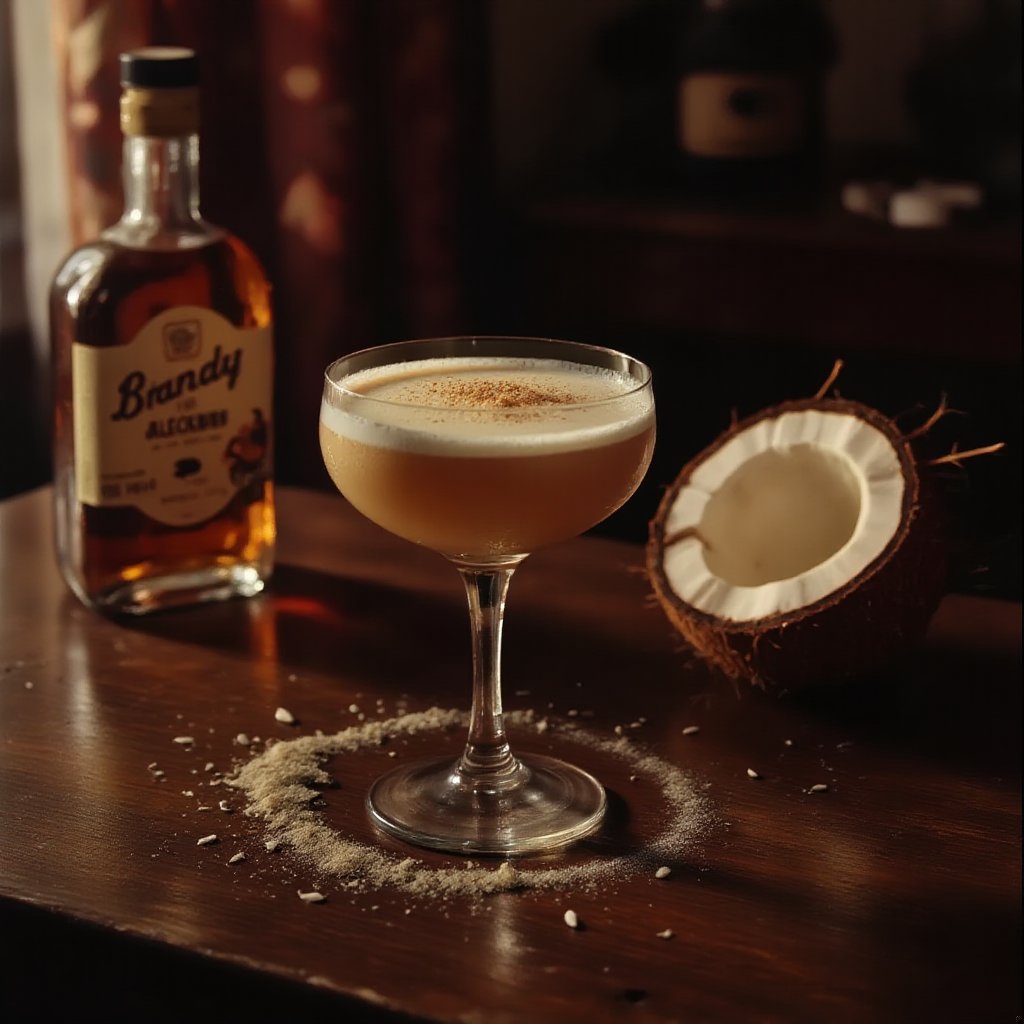
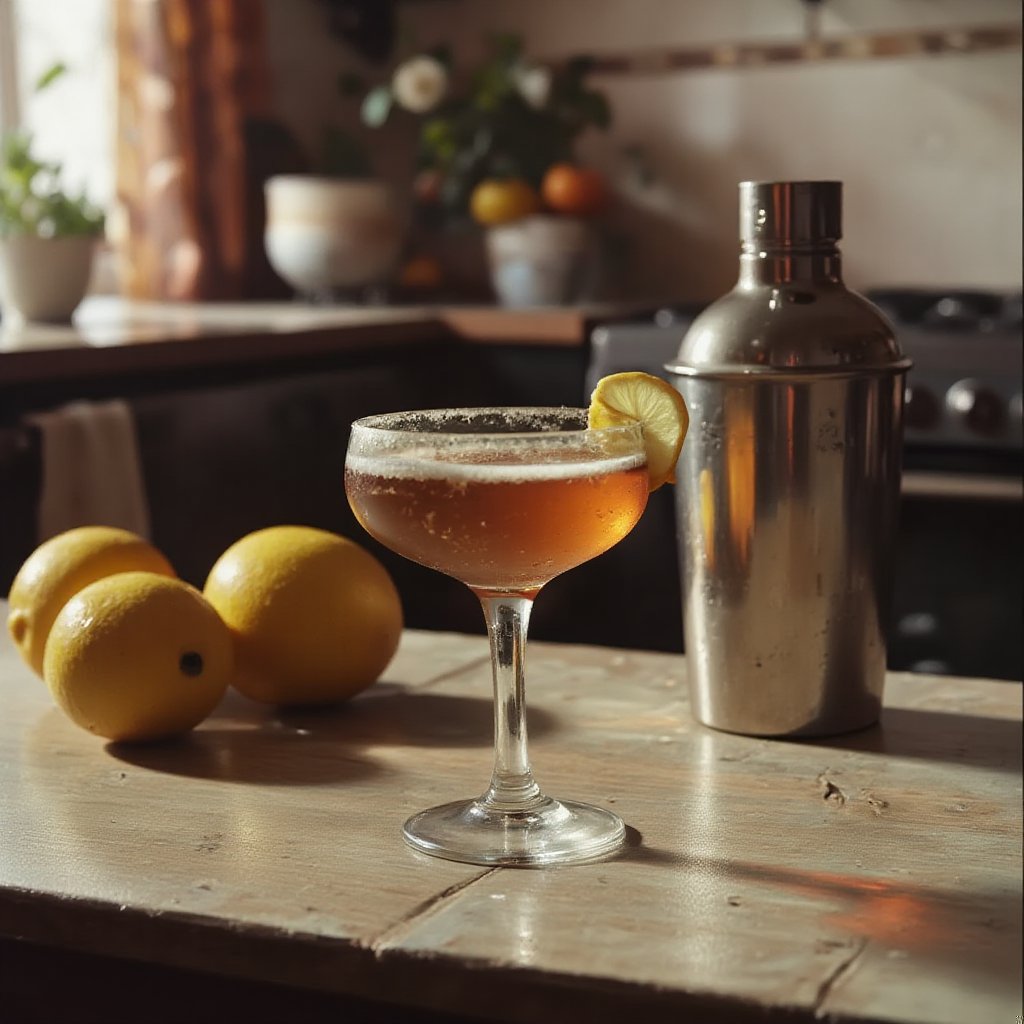
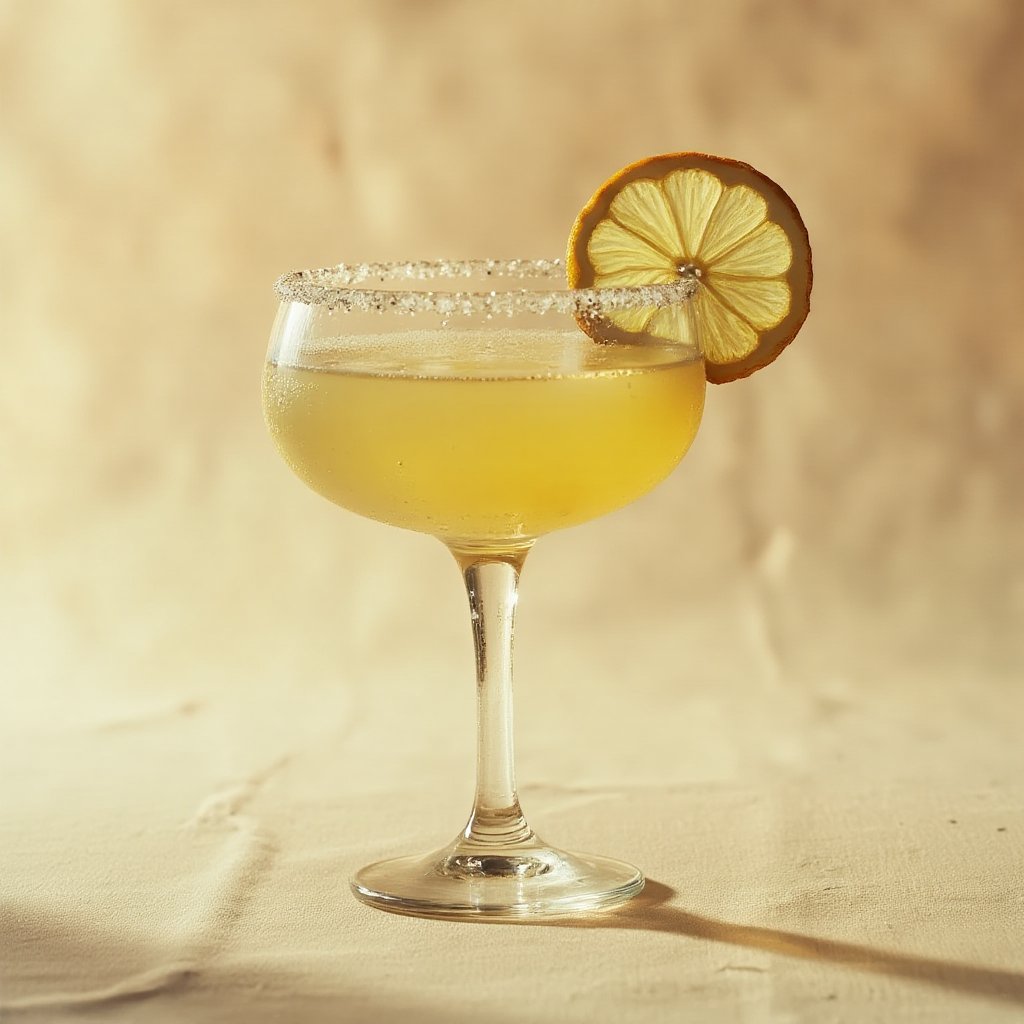
Brandy is essentially distilled fruit. Most often grapes, but also apples, pears, plums — anything with sugar in it. Aged in oak, it picks up vanilla, dried fruit, caramel, and a gentle warmth. That gives you a clear set of flavors to chase when making a brandy substitute at home: fruit-forward, slightly sweet, with depth from spice and a touch of barrel character.
These five methods take different angles on that profile. Some lean into the grape and dried-fruit side. Others push toward the warmer, oak-aged finish. Try them in your favorite brandy recipes or use them as a starting point and adjust to your taste.
If you’d rather skip the DIY route, our non-alcoholic brandy alternatives page has commercial options. And for more spirits you can make at home, see the full DIY alcohol substitutes guide. Brandy and cognac substitutes overlap a lot — cognac is a type of brandy — so methods from one often work for the other.
1. Grape juice and vanilla reduction
Ingredients: 1 cup red grape juice, 1/4 cup water, 1 tablespoon brown sugar, 1/2 teaspoon vanilla extract, 1 cinnamon stick
Combine the grape juice, water, brown sugar, and cinnamon in a small saucepan. Bring to a low simmer and cook for 12 to 15 minutes, until the liquid has reduced by about a third. Remove from heat, stir in the vanilla, and let it cool. Strain out the cinnamon stick.
The reduction concentrates the grape sugars and tannins, which gives the substitute body and a richer mouthfeel. Use it 1:1 wherever a recipe calls for brandy. It works especially well in stirred drinks like a Brandy Sour where you want the fruit notes to come through.
2. Dried fruit and spice infusion
Ingredients: 1/3 cup raisins, 3 dried figs (chopped), 2 cups hot water, 1 teaspoon vanilla extract, 1 small strip of orange peel, pinch of nutmeg
Put the raisins, figs, and orange peel in a jar and pour the hot water over them. Steep for at least 4 hours, or overnight in the fridge for deeper flavor. Strain the liquid and stir in the vanilla and nutmeg.
Dried fruit gives you that aged, concentrated sweetness that’s almost impossible to fake any other way. This is the version that tastes most like a fruit brandy, with the figs and raisins doing most of the work. Try it in a Brandy Alexander where the fruit notes complement the cream.
3. Apple cider and oak-tea blend
Ingredients: 1 cup unfiltered apple cider, 1 strong-brewed cup of black tea (Assam works well), 1 tablespoon maple syrup, 1/4 teaspoon vanilla extract, 2 drops oak extract or liquid smoke (optional)
Brew the tea strong (use double the leaves) and let it cool. Combine with the apple cider and maple syrup. Stir in the vanilla and the oak extract if you’re using it. The tannins in the tea stand in for the dryness of an aged spirit, while the apple cider gives you the fruit base. The maple syrup fills in the caramel sweetness.
This works particularly well as an apple-brandy substitute. Use it in a hot toddy or any drink where Calvados or applejack would normally appear.
4. Caramelized fruit syrup
Ingredients: 1/2 cup sugar, 1/4 cup water, 1/2 cup warm grape juice, 1 teaspoon lemon juice, 1/2 teaspoon vanilla extract, pinch of cinnamon
Make a dry caramel: heat the sugar in a saucepan over medium heat until it melts and turns a deep amber. Carefully add the 1/4 cup of water (it will hiss). Once smooth, stir in the warm grape juice, lemon juice, vanilla, and cinnamon. Cook for another minute, then let it cool.
This is more of a concentrate than a substitute — use 1 to 2 ounces per drink, not a full pour. The deep caramel sweetness nails the toasted, barrel-aged side of brandy. Especially good in dessert mocktails or anything with cream or coffee.
5. Spiced grape shrub
Ingredients: 1 cup red grape juice, 1/4 cup apple cider vinegar, 2 tablespoons brown sugar, 1 cinnamon stick, 2 cloves, 1 small star anise, 1/2 teaspoon vanilla extract
Warm the grape juice with the brown sugar and whole spices over low heat for about 8 minutes. Don’t let it boil — you want infusion, not reduction. Remove from heat, let it cool, then strain. Stir in the apple cider vinegar and vanilla.
The vinegar adds a sharp bite that mimics the burn of alcohol, which is the part of brandy that’s hardest to replicate without it. Shrubs keep well in the fridge for two to three weeks, and the flavor gets more complex over the first few days. Use 1 ounce per drink in a Sangria or anywhere you want that fruity, slightly tart brandy character.
Pick your brandy
The grape juice and vanilla reduction is the most versatile starting point — if you’re only going to make one, make that. The dried fruit infusion is the closest to a real fruit brandy and works best in cream-based drinks. The apple cider blend is the apple-brandy substitute. Use the caramel syrup as a flavor concentrate, and the shrub when you want acidity to balance a sweet recipe.
Start with one of the brandy recipes on the site and swap your homemade base in 1:1. Adjust sweetness and dilution from there. That’s the upside of doing it yourself — you can tune it exactly to your taste.