Mocktails are made the same way cocktails are. You’re still balancing sweet, sour, bitter, and aromatic elements. You’re still shaking, stirring, and muddling. The only real difference is what goes into the glass as your base spirit. Once you understand that, the whole process clicks into place pretty quickly.
The base
Every cocktail starts with a spirit, and mocktails are no different. You just swap in a non-alcoholic version or build something from scratch.
The easiest route is a zero-proof spirit. Brands like Lyre’s, Seedlip, and Monday make bottles designed to stand in for gin, bourbon, rum, tequila, and more. They’re formulated to carry the same botanical, smoky, or oaky character you’d expect from the real thing, so you can follow a classic cocktail recipe almost exactly. Pour two ounces of non-alcoholic bourbon into a rocks glass, and you’re off to a good start.
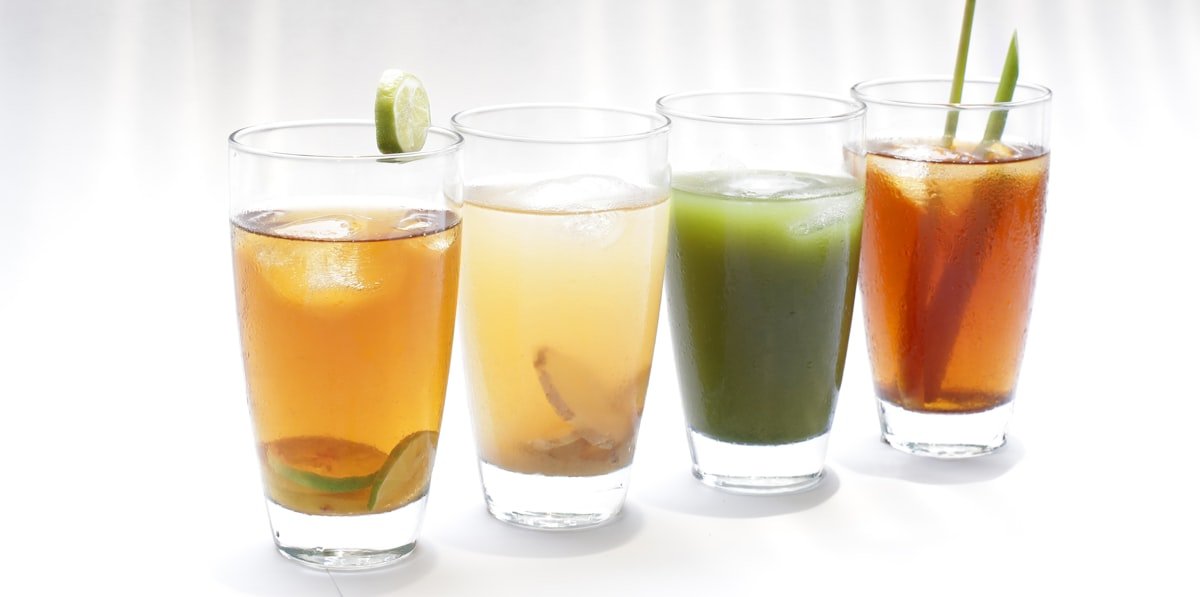
If you’d rather skip the store-bought bottles, you can build your own base from everyday ingredients. Strong-brewed black tea gives you tannins and body that mimic whiskey’s dryness. Ginger juice mixed with a touch of apple cider vinegar creates a spicy warmth that works in place of rye. Coconut water and pineapple juice can fill in for light rum in tropical drinks. These DIY bases take a little more experimentation, but they cost almost nothing and you probably have what you need in your kitchen already.
Key ingredients
The base alone won’t get you far. What makes a mocktail actually taste like a well-made drink is the supporting cast of ingredients that create balance.
Fresh citrus does the heavy lifting on the sour side. Lime juice, lemon juice, and grapefruit juice add brightness and acidity that keep a drink from tasting flat or overly sweet. Always squeeze your own if you can. Bottled juice oxidizes quickly and loses that sharp, clean flavor you’re after.
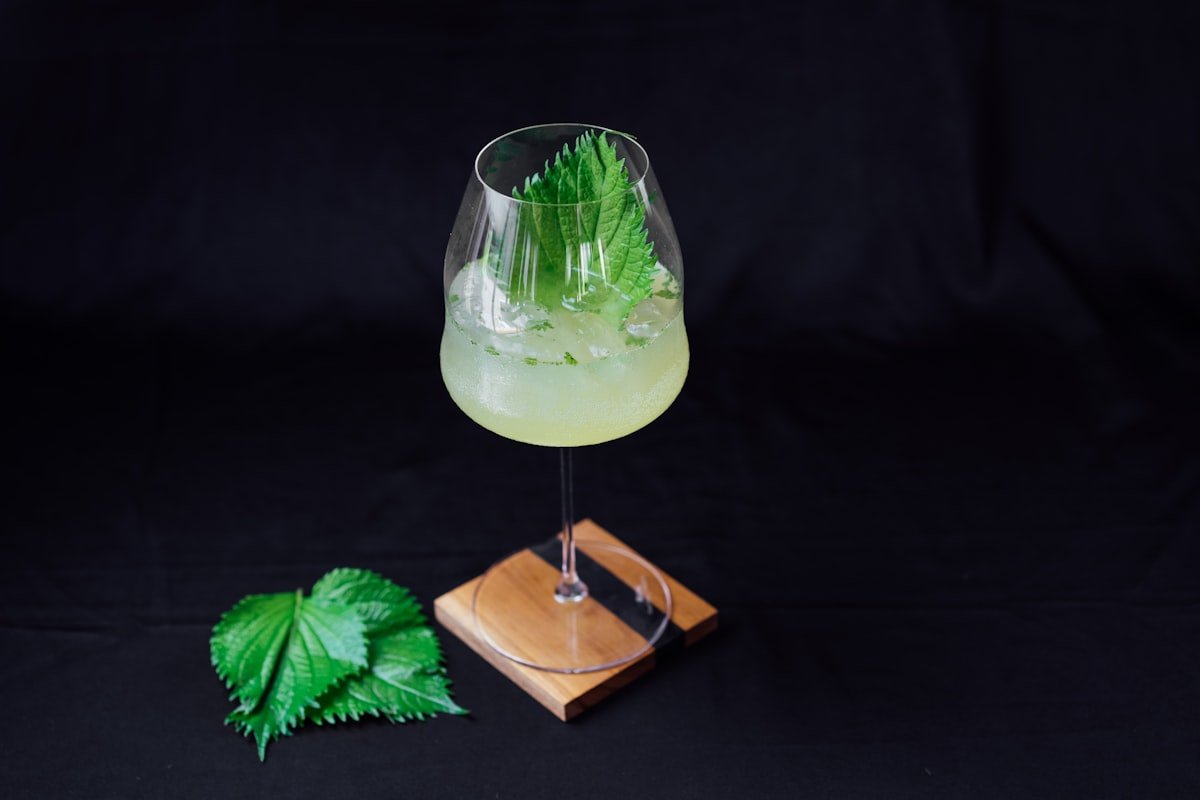
Herbs are where things get interesting. Muddled mint is a classic for a reason, but don’t stop there. Basil pairs beautifully with strawberry and citrus. Rosemary works surprisingly well with grapefruit or pear. A few fresh leaves can shift a drink’s entire character without adding sweetness or calories.
On the sweet side, simple syrup (equal parts sugar and water, heated until dissolved) is the standard. But honey syrup, agave nectar, and flavored syrups like lavender or vanilla all bring something different. The key is using just enough to round out the sour and bitter notes without making the drink taste like juice.
Bitters pull everything together. A few dashes of aromatic or citrus bitters add complexity and depth. Most bitters contain a tiny amount of alcohol, but the quantity used in a single drink is negligible. If that’s a concern, alcohol-free bitters from brands like All The Bitter work just as well.
Sparkling water or tonic goes in last to add fizz and lengthen a drink. Club soda is neutral, tonic is slightly bitter and sweet, and flavored sparkling waters can add a subtle extra layer.
Techniques
Cocktail techniques aren’t just for show. Each one serves a specific purpose, and knowing when to use which one makes a noticeable difference.
Shaking is for drinks that include citrus juice, syrups, or other thick ingredients that need to be combined thoroughly. Fill a shaker with ice, add your ingredients, and shake hard for about 10 to 15 seconds. The ice chills the drink rapidly and adds a bit of dilution that mellows out strong flavors. A non-alcoholic margarita with lime juice and agave is a perfect candidate for shaking.
Stirring is for drinks that are spirit-forward and don’t include juice. Think of an alcohol-free old fashioned: non-alcoholic bourbon, a touch of simple syrup, and a few dashes of bitters. You stir it gently in a mixing glass with ice for about 30 seconds. Stirring chills and dilutes without adding air bubbles, so the texture stays silky.
Muddling releases oils and juice from fresh herbs and fruit. You press the ingredients firmly against the bottom of a glass or shaker with a muddler. Don’t pulverize them; a few good presses will do. Muddling is essential for drinks built on fresh mint, basil, cucumber, or berries.
Building is the simplest approach. You add ingredients directly to the serving glass, usually over ice, and top with soda or tonic. A gin and tonic (using non-alcoholic gin) is a built drink. So is a simple highball. No shaker needed, no straining, just pour and stir gently.
Putting it together
Here’s how all of this comes together in practice. Let’s make a non-alcoholic mojito.
Start by adding six or eight fresh mint leaves and half a lime, cut into wedges, to your shaker. Muddle them together with a few firm presses to release the mint oils and lime juice. Add two ounces of non-alcoholic rum (something like Lyre’s White Cane Spirit or Monday Zero Alcohol Rum) and three quarters of an ounce of simple syrup. Fill the shaker with ice and give it a good shake for about 10 seconds.
Strain into a tall glass filled with fresh ice. Top with three or four ounces of sparkling water and give it one gentle stir to combine. Garnish with a sprig of mint and a lime wheel.
That’s it. Five minutes, no special equipment beyond a shaker and a muddler, and you’ve got a drink that looks and tastes like something you’d order at a cocktail bar.
The same logic applies to any mocktail. Pick your base, balance it with citrus and sweetener, add an herb or a dash of bitters for complexity, and choose the right technique for the style of drink you’re making. Once you’ve got that framework down, you can riff on it endlessly. Check out our full recipe collection to find your next favorite.